If your dandruff keeps coming back no matter how often you wash your hair, the problem likely isn’t your routine. It’s the fact that you’re treating the wrong type of dandruff entirely.
Most people assume dandruff is dandruff — a single, uniform condition fixed by any anti-dandruff shampoo from the drugstore shelf. However, dermatologists increasingly emphasize that dandruff presents in at least three distinct forms, each with different triggers, appearances, and — critically — different treatment needs. Getting this wrong means months of ineffective care and recurring flare-ups.
What Actually Causes Dandruff — And It’s Not Poor Hygiene
One of the most persistent myths about dandruff is that it results from dirty hair or a dry scalp. In reality, the condition is far more specific. Dandruff is a recurring scalp condition linked to an imbalance involving a naturally present fungus called Malassezia — a yeast that lives on every human scalp and feeds on the natural oil, or sebum, the scalp produces.
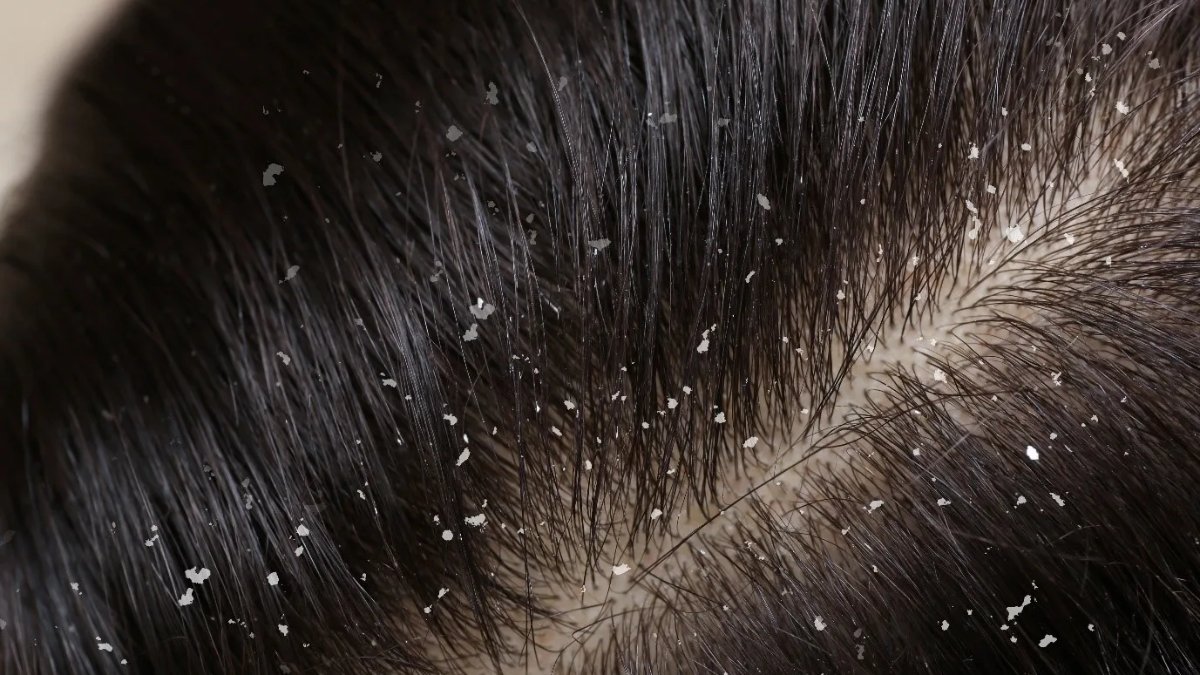
In some individuals, the scalp reacts strongly to the by-products released when this fungus breaks down oil. This reaction triggers irritation, accelerates skin cell turnover, and causes dead cells to clump together rather than shed invisibly. The result: visible flakes, persistent itching, and scalp discomfort. Notably, this can occur on oily, dry, or combination scalp types equally — making scalp hygiene a far less relevant factor than most assume.
The 3 Types of Dandruff — Which One Do You Have?
Identifying your dandruff type is the essential first step toward effective treatment. As dermatologists explain, each type has a distinct appearance and underlying cause that demands a targeted approach rather than a one-size-fits-all solution.
Oily, Sticky Flakes These appear slightly yellow, clumped, and greasy — often accompanied by a scalp that feels oily within 24 hours of washing. Excess sebum production creates an ideal environment for Malassezia overgrowth, which is the root driver here. Standard shampoos may strip surface oil temporarily, but they don’t address the underlying fungal imbalance. As a result, flakes return quickly — sometimes within a day.
Dry, Powdery Flakes Fine, white flakes that fall easily onto dark clothing are commonly mistaken for simple dryness caused by weather or harsh hair products. Meanwhile, the actual cause is still largely fungal in nature, not a moisture deficit. This misidentification leads many people to reach for oils and hydrating treatments — which may provide brief relief but ultimately miss the point entirely.
Itchy, Irritated Scalp with Scaling This type presents as intense itching, redness, and visible scaling patches. It’s typically driven by fungal overgrowth combined with heightened scalp sensitivity. Several external factors can worsen it — helmet use, pollution, heat and sweat, product buildup, and irregular cleansing habits. This form is often the most uncomfortable and the most frequently mismanaged.
Why Your Shampoo Might Be Making Things Worse
Here’s the detail most product labels won’t tell you: the majority of shampoos are formulated to clean the hair shaft, not treat the scalp’s microbial environment. Even shampoos marketed as “anti-dandruff” may only remove visible flakes without correcting the fungal imbalance causing them.
For long-term control, dermatologists recommend looking specifically for clinically studied anti-fungal ingredients. One such compound is Piroctone Olamine, which works directly on the scalp by targeting Malassezia growth rather than simply washing away surface flakes. Furthermore, it helps correct the microbial imbalance at the root of the condition — which explains why shampoos containing it tend to show more sustained results over time.
The micro-observation worth noting: many people spend years switching between shampoos without ever checking the ingredient list for what’s actually treating their scalp versus what’s merely cleaning their hair. <h2>Should You See a Dermatologist for Dandruff?</h2>
Mild to moderate dandruff can often be managed effectively with the right targeted shampoo. Nevertheless, if symptoms persist despite consistent use of anti-fungal formulations, or if redness and scaling worsen, a dermatologist visit is warranted. Conditions like seborrheic dermatitis or psoriasis can mimic dandruff and require prescription-level care.
Dandruff is manageable — but only once you understand what type you’re dealing with. As research into scalp health deepens, the shift is clear: treat the scalp like skin, not just as the base of your hair.