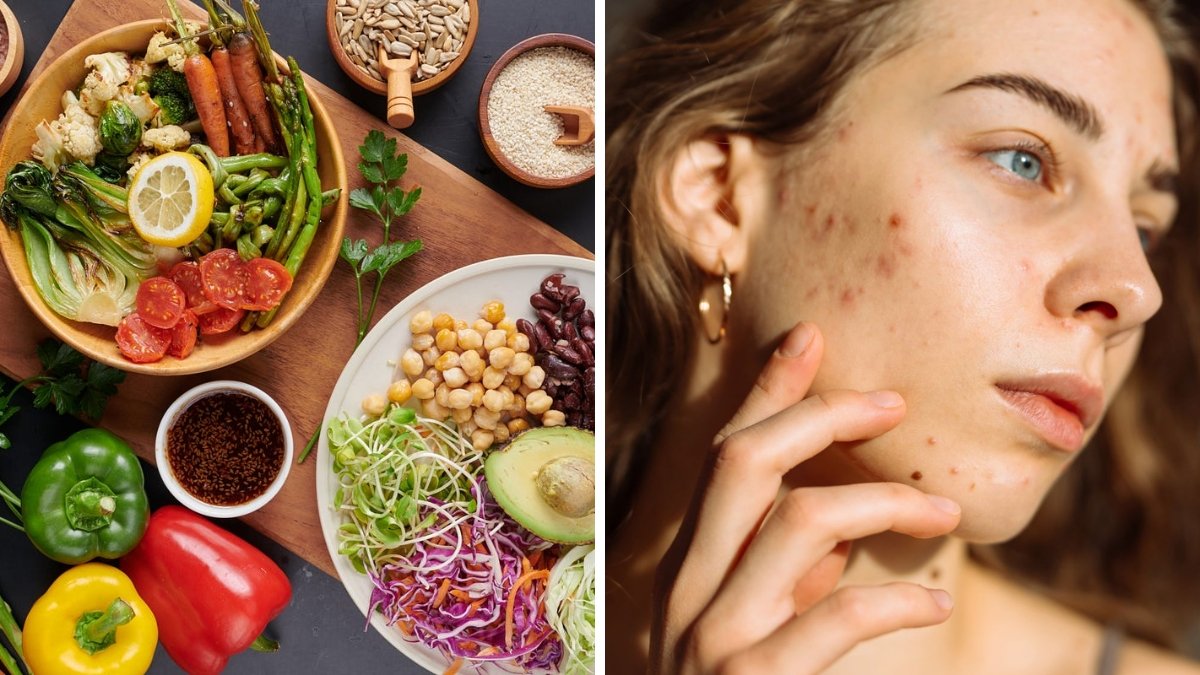
You’ve invested in serums, switched to gel-based moisturisers, and built a near-perfect skincare routine—yet acne keeps showing up uninvited. The problem may not be on your bathroom shelf, but on your plate. Dermatologists now point to diet as a silent trigger, suggesting that what you eat could be undoing all your skincare efforts.
Why Your Acne Diet Matters More Than Skincare
Acne is often treated as a surface-level issue, but growing dermatological insights suggest otherwise. What you eat directly influences internal processes like hormone balance, inflammation, and oil production—key drivers behind breakouts.
As one expert explains, food alters the internal environment of the body, which in turn affects acne severity. In simple terms, your skincare routine may be working—but your diet might be working against it.
And that changes everything.
Foods That Cause Acne: The Real Triggers
If you’re serious about clearer skin, it’s time to take a closer look at common dietary culprits that quietly fuel breakouts.
Sugar and Refined Carbs
White bread, biscuits, sugary drinks, and instant noodles are high-glycemic foods that rapidly spike blood sugar levels. This triggers a surge in insulin, which then increases androgen production—hormones that overstimulate oil glands.
More oil means clogged pores. And clogged pores? The perfect breeding ground for acne-causing bacteria.
A vicious cycle, hiding in plain sight.
Dairy Products
Milk, especially skim milk, has been repeatedly linked to acne flare-ups. It contains whey protein and growth hormones that may interfere with your body’s natural hormonal balance.
Dermatologists often suggest eliminating skim milk for a few weeks to observe visible changes in skin health—a small experiment that can deliver surprisingly clear results.
How Food Triggers Acne From Within
The deeper issue isn’t just “junk food”—it’s inflammation and hormonal imbalance.
Modern diets, often rich in processed carbs and dairy, can lead to chronic low-grade inflammation. This internal stress shows up externally as acne, especially in adults who otherwise maintain a disciplined skincare routine.
Interestingly, this also explains why some people with “perfect” routines still struggle. Their skincare isn’t failing—it’s being overridden.
Foods That Help Reduce Acne Naturally
The good news? Just as some foods trigger acne, others actively help fight it.
Omega-3-Rich Foods
Walnuts, flaxseeds, and fatty fish are known for their anti-inflammatory properties. They help calm the skin from within and reduce redness and swelling.
Zinc-Rich Foods
Pumpkin seeds and legumes play a direct role in controlling acne-causing bacteria while supporting skin healing.
Antioxidant-Rich Vegetables
Spinach, carrots, and tomatoes protect the skin from oxidative stress and promote a clearer complexion over time.
Green Tea
This simple beverage does more than hydrate—it helps reduce sebum (oil) production, tackling one of acne’s root causes.
The Bigger Shift: Treat Acne From the Inside Out
This shift in thinking marks a bigger trend in skincare—moving from external fixes to internal solutions. With rising awareness around gut health, hormones, and inflammation, diet is becoming a central pillar in acne management.
And perhaps the most overlooked insight?
Sometimes, the most expensive skincare routine can’t compete with a simple dietary change.
Acne isn’t just about what you apply—it’s about what you consume. As awareness grows around diet-driven skin health, clearer skin may begin not in your skincare aisle, but in your kitchen.