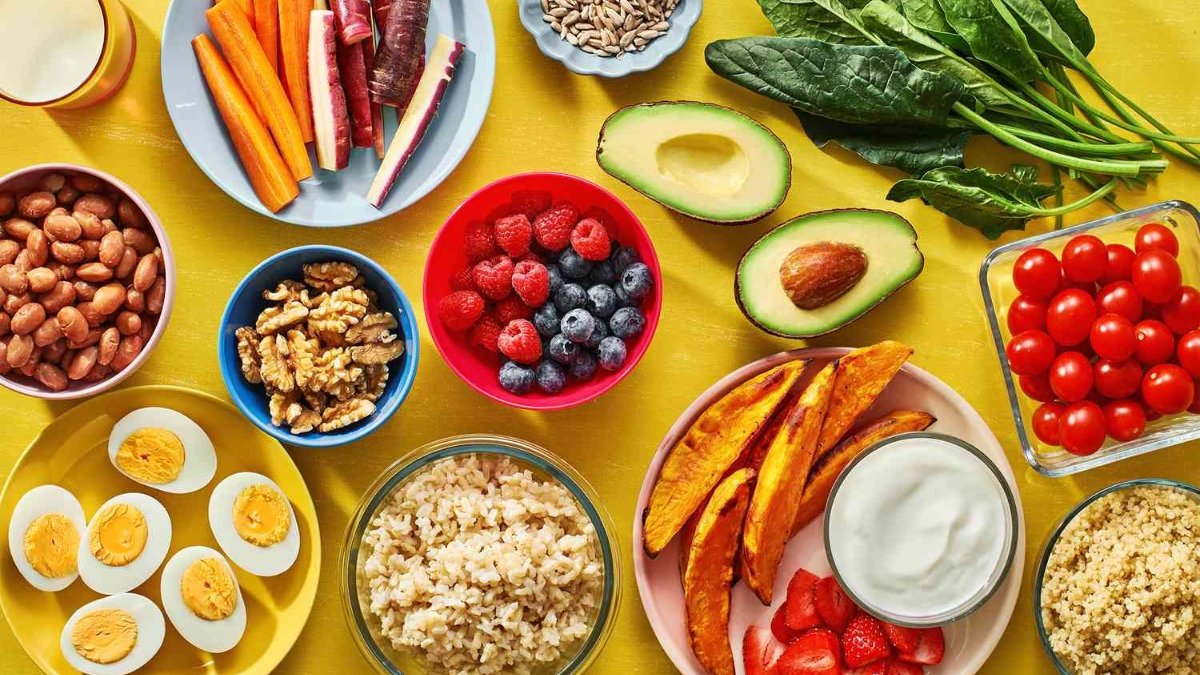
For many people trying to lose weight, the frustration is familiar: eating “clean,” avoiding junk food, and still seeing the scale refuse to budge. According to fitness content creator Kev Heintz, the culprit may lie in a common nutrition blind spot — calorie-dense “health foods” that quietly add hundreds of extra calories to everyday meals.
Why Some ‘Healthy Foods’ Are Packed With Hidden Calories
On April 2, fitness creator Kev Heintz shared a list of “healthy foods that are keeping you fat — and simple swaps you can make instead.” The idea behind the post was straightforward: many foods considered nutritious can still derail fat-loss goals because of their high calorie density.
In other words, they may be healthy, but they can also be extremely energy-packed.
That distinction matters.
Nutrition experts often refer to this phenomenon as the “health halo effect,” where foods containing whole grains, fruits, or nuts are assumed to be low-calorie simply because they are perceived as healthy.
But that assumption doesn’t always hold up when you look at the numbers.
The Granola vs Oats Calorie Debate
One of the most striking comparisons in Heintz’s breakdown focused on a popular breakfast staple: Granola.
According to the fitness coach, one cup of granola can contain around 600 calories, largely due to added oils, nuts, and sweeteners used in many recipes. His suggested swap? A bowl of Oatmeal, which he said can contain roughly 300 calories for a similar serving.
Both foods are nutritious.
But their calorie load is very different.
For people aiming to maintain a calorie deficit — a key factor in fat loss — that difference alone could significantly impact daily intake.
Are Acai Bowls Really a Healthy Breakfast?
Another food on Heintz’s list was the trendy Acai bowl, often promoted as a superfood breakfast option.
While packed with antioxidants, acai bowls can quickly become calorie-heavy when topped with granola, nut butter, and sweetened fruit blends. According to the coach’s estimate, a typical bowl can reach around 700 calories.
As a lighter alternative, he suggested a combination of Greek yogurt with berries, which he estimated could provide a similar sense of fullness for around 200 calories.
The key idea: volume and protein often increase satiety without drastically increasing calories.
When a ‘Healthy Salad’ Turns Into a 650-Calorie Meal
Lunch choices can also fall into the hidden-calorie trap.
Heintz pointed out that a simple salad can quickly turn calorie-dense depending on the toppings. A bowl topped with Ranch dressing and croutons, he said, could reach around 650 calories.
His suggested tweak was simple rather than drastic: keep the same salad but request dressing on the side, potentially bringing the calorie total closer to 250 calories depending on portion size.
Sometimes the smallest adjustment makes the biggest difference.
Trail Mix vs Beef Jerky: A Snack Debate
Perhaps the most debated comparison involved Trail mix.
Often marketed as an energy-packed snack, trail mix typically combines nuts, seeds, chocolate, and dried fruit — ingredients that are nutritious but also calorie-dense. Heintz estimated that one cup could reach around 700 calories.
As an alternative, he suggested Beef jerky, which he said could contain around 160 calories per serving, while also providing a high protein content.
The comparison sparked discussion online, highlighting how snacks commonly seen as “healthy fuel” may still require careful portion control.
The Bigger Lesson Behind the Viral Food Swaps
Beyond the individual food swaps, Heintz’s message taps into a broader dieting challenge: the difference between nutritional value and calorie balance.
Foods like granola, nuts, and acai are undeniably nutrient-rich. But because they pack a large number of calories into relatively small portions, they can quietly push daily calorie intake beyond what someone aiming for fat loss might expect.
It’s a small nutritional math problem that many people overlook.
As dieting advice continues to circulate across social media, the takeaway from Heintz’s list is less about avoiding certain foods entirely and more about understanding calorie density. For those trying to lose weight, the difference between progress and frustration may come down to something surprisingly simple: portion size and smarter swaps.