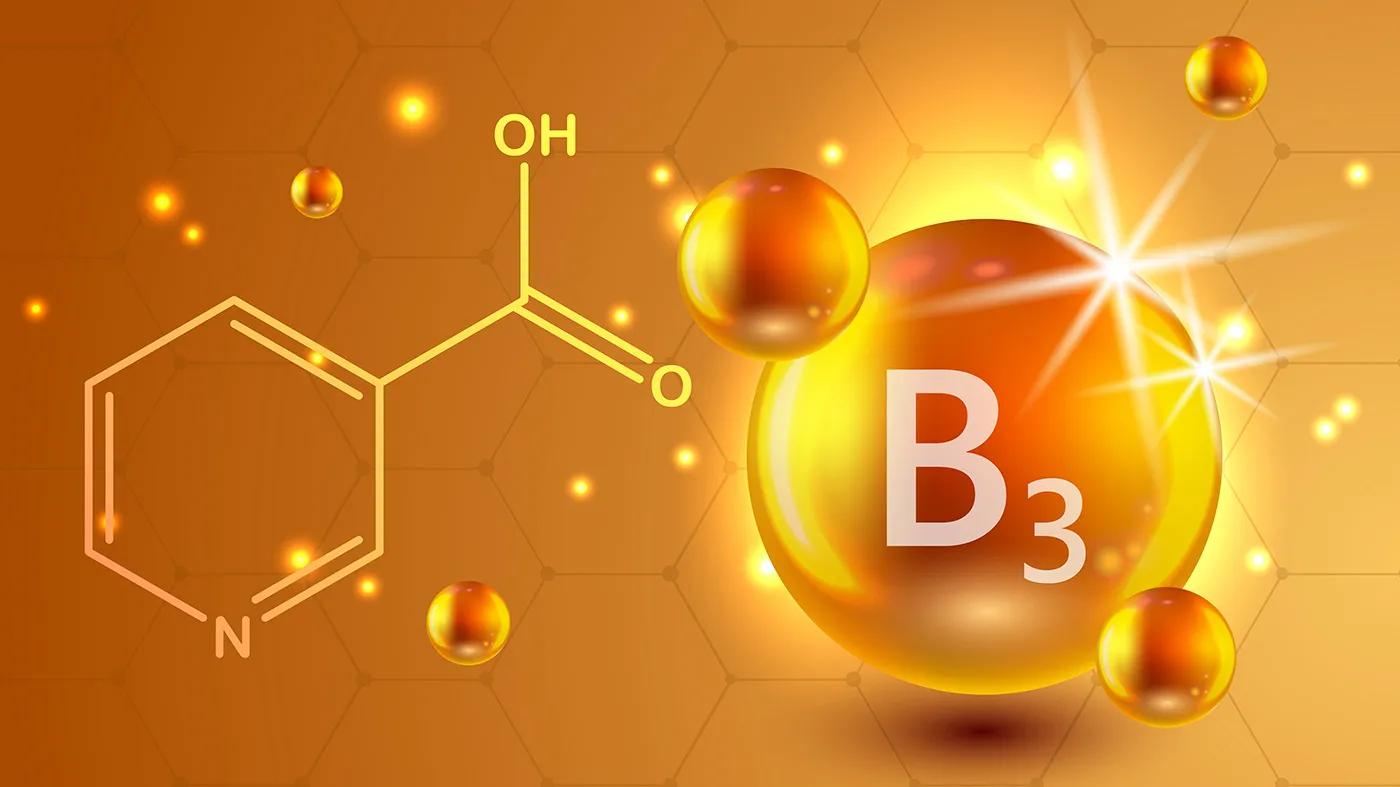
Scroll through social media lately, and you’ll see niacin, also known as Vitamin B3, being praised everywhere. From glowing skin to promises of a longer life, it has quickly become a popular “anti-ageing” trend. But is it really as effective as people claim?
Niacin is not new. It is one of the eight essential water-soluble vitamins the body needs to function properly. It plays an important role in metabolism, helps repair DNA, and supports overall cellular health.
However, confusion begins because Vitamin B3 exists in two forms—nicotinic acid and niacinamide. While both belong to the same vitamin group, they work very differently in the body.
Medical experts explain that nicotinic acid has been used in the past to lower cholesterol levels, but it often causes “flushing”, which is a sudden redness and warmth of the skin. On the other hand, niacinamide does not affect cholesterol and is widely used in skincare for its soothing and skin-repair benefits, with minimal side effects.
Although niacin was once prescribed for cholesterol management, its role in modern medicine has reduced due to better treatment options. Despite this, social media has revived its popularity—this time as an anti-ageing and longevity supplement.
Experts warn that this trend is concerning because many people are self-medicating with high doses without proper guidance. There is no strong scientific evidence proving that niacin supplements can slow ageing or improve skin appearance, yet many continue to believe these claims.
For most adults, the daily requirement of Vitamin B3 is around 14–16 mg, which can easily be met through a balanced diet. However, many over-the-counter supplements contain much higher doses. Taking these unnecessarily can lead to more harm than benefit.
While niacin supports basic body functions, proven skincare benefits come from topical niacinamide, not oral supplements. Creams and serums with niacinamide can improve skin texture, reduce pigmentation, and strengthen the skin barrier—but pills do not offer the same results.
Excessive intake of niacin can cause side effects such as flushing, nausea, headaches, and stomach discomfort. In more serious cases, medical experts have seen complications like liver damage, uncontrolled blood sugar, digestive issues, and even abnormal heart rhythms.
Long-term use of high doses can lead to liver problems, insulin resistance, gout, and muscle damage. These risks are often underestimated because many people assume vitamins are always safe.
But that’s a myth.
Experts clearly state that taking vitamins beyond recommended amounts can lead to toxicity. Even though Vitamin B3 is water-soluble, high doses can still be harmful depending on the individual’s health condition.
If you are considering niacin supplements, avoid self-medication. High doses should only be taken under medical supervision, with regular health monitoring, especially for liver function.
People with liver disease, diabetes, or heart conditions should be especially cautious and consult a doctor before taking niacin.
The bottom line is simple: do not blindly follow viral health trends. When it comes to supplements, stay informed, be cautious, and always rely on expert advice.