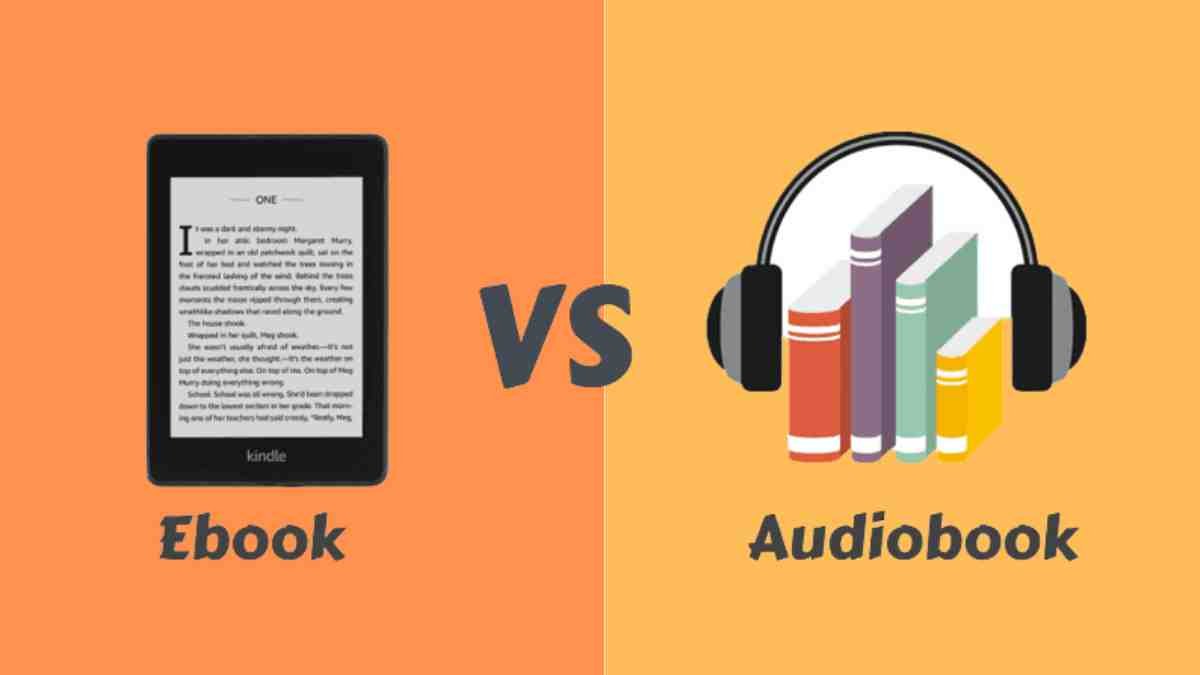
In today’s fast-paced world, audiobooks have become increasingly popular as an alternative to traditional reading. With busy schedules and digital access, more people are choosing to listen to books while commuting, exercising, or doing household tasks. But the question remains: do audiobooks truly count as reading, or are they simply a shortcut?
When you read a physical book, your brain processes words visually, engaging memory, comprehension, and imagination. Reading allows you to pause, re-read, and absorb complex ideas at your own pace. For many, the act of holding a book and focusing solely on text creates a more profound, immersive connection with the material.
On the other hand, audiobooks offer a different kind of engagement. Listening activates the auditory part of the brain, but comprehension levels can be just as strong as reading. Research suggests that listening and reading stimulate similar areas of the brain responsible for understanding language. The difference lies in delivery—reading requires visual focus, while audiobooks provide flexibility, making stories and knowledge accessible to those with limited time or even visual impairments.
Another advantage of audiobooks is the narration. A skilled narrator can add emotion, tone, and depth to the story, making it feel alive. This can enhance the experience, especially with genres like fiction or memoirs. However, critics argue that multitasking while listening can reduce attention and retention compared to focused reading.
So, do audiobooks count as reading? The answer depends on how you define reading. If reading is about engaging with a story, learning from text, or expanding knowledge, then yes—audiobooks count. They democratize access to literature, making it easier for people of all ages and lifestyles to enjoy books. But if your focus is on the traditional act of decoding words on a page, then audiobooks may feel like a different, though equally valuable, experience.
In conclusion, audiobooks and reading serve the same purpose—to inform, entertain, and inspire. Whether you prefer the quiet concentration of a paperback or the convenience of listening on the go, both formats enrich our minds and broaden our horizons. Instead of comparing, perhaps it’s best to embrace both as powerful tools for lifelong learning.