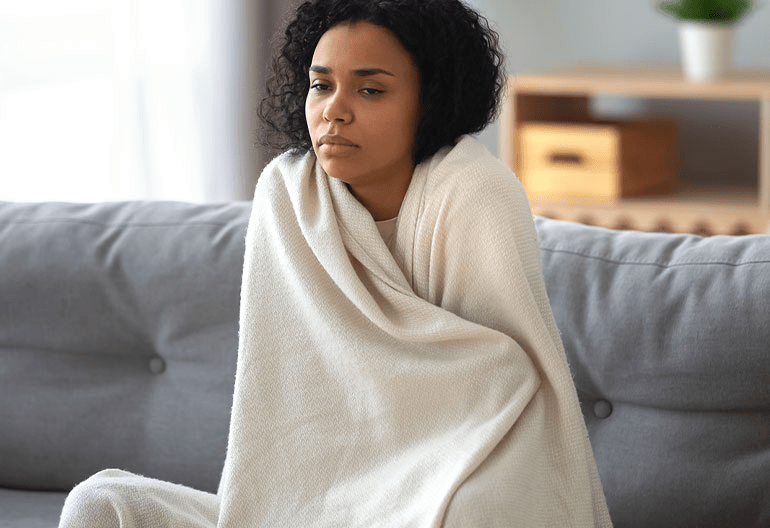
Every winter, many women share the same complaint: freezing fingers, icy toes, and a constant need for extra layers, even when others seem perfectly fine. While it’s often joked about or dismissed as personal sensitivity, medical experts say there’s a real biological reason behind it. The way a woman’s body is built, from hormones to circulation, plays a major role in how she experiences cold weather.
According to medical experts, women’s bodies are naturally wired to protect what matters most. When temperatures drop, the body prioritises keeping vital organs warm. To do this, blood flow is redirected away from the hands and feet and sent toward the core. While this helps maintain internal warmth, it often leaves extremities feeling painfully cold.
Hormones are a key part of the story. Estrogen, which is more prominent in women, affects how blood vessels respond to temperature changes. In cold conditions, these blood vessels tend to narrow more easily, reducing the flow of warm blood to the hands and feet. This makes women feel cold faster and more intensely.
This same sensitivity helps explain why certain cold-related conditions are more common in women. For example, some experience colour changes in their fingers or toes when exposed to cold or stress. Hormonal changes throughout the menstrual cycle can also affect how the body regulates temperature, which is why sensitivity to cold may vary from week to week.
Metabolism adds another layer. Men generally have more muscle mass, which naturally produces heat even when the body is at rest. Women usually have less muscle and a slightly lower resting metabolic rate, meaning their bodies generate less internal heat. Although women tend to have more body fat, this fat mainly helps insulate vital organs rather than warming hands and feet.
Circulation also makes a difference. Women typically have lower blood pressure and slower blood flow to the extremities, which delays warmth from reaching fingers and toes. This is why hands and feet can stay cold for long periods, even indoors.
Certain health conditions can make the problem worse. Medical experts note that low iron levels, which are common among women, can reduce oxygen delivery in the body and increase feelings of cold. Thyroid imbalances, blood sugar issues, autoimmune conditions, and some medications may also contribute.
In most cases, cold hands and feet are harmless and simply part of how the body protects itself. However, experts advise paying attention if the cold comes with pain, numbness, or noticeable colour changes. These signs may point to an underlying condition that needs medical attention.
Understanding why this happens can be reassuring. Cold extremities are often a sign that the body is doing its job—preserving warmth and energy where it’s needed most. With awareness and care, women can manage winter discomfort better and know when it’s time to seek professional advice, staying both comfortable and healthy through the colder months.