Long work hours, irregular meals, late nights, and constant screen time have quietly changed how our bodies function. Digestive discomfort, once considered an occasional problem, has now become part of daily life for many people, including the young. Issues like gas, acidity, bloating, constipation, and loss of appetite are increasingly common, often brushed aside as “normal” consequences of a busy lifestyle.
What many don’t realise is that digestion affects far more than just the stomach. When food isn’t digested properly, the body struggles to absorb nutrients, which can lead to constant tiredness, mood swings, dull skin, and lower immunity. This is where traditional systems like Ayurveda turn to simple, natural solutions that have stood the test of time. One such remedy is the humble betel leaf.
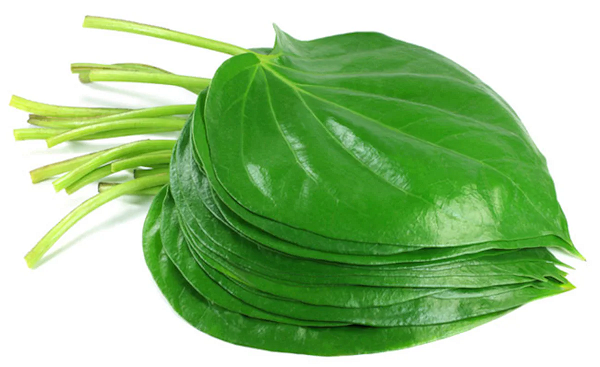
Ayurvedic wisdom suggests that chewing betel leaves gently activates the digestive process. The simple act of chewing increases saliva production, which helps the body break down food more efficiently and prepares the stomach for digestion. Betel leaves are also believed to support smoother bowel movements and ease common problems like gas and abdominal discomfort.
Their natural compounds may help calm acidity and provide relief from heartburn and indigestion. For those dealing with constipation, betel leaves are thought to stimulate intestinal movement, making digestion feel lighter and more regular. They may also help revive appetite in people who frequently feel uninterested in food.
The tradition of having betel leaves after meals wasn’t accidental. Beyond aiding digestion, they are known for their cleansing properties, helping maintain oral hygiene and reduce bad breath. Some believe they also support stress relief, boost immunity, and promote clearer skin by reducing internal inflammation.
However, how betel leaves are consumed matters. Their benefits are best experienced when they are kept simple and natural. Additives like tobacco or chemical substances can be harmful and undo any positive effects. When used mindfully, betel leaves are best seen not as a habit, but as a gentle, traditional aid for overall well-being.