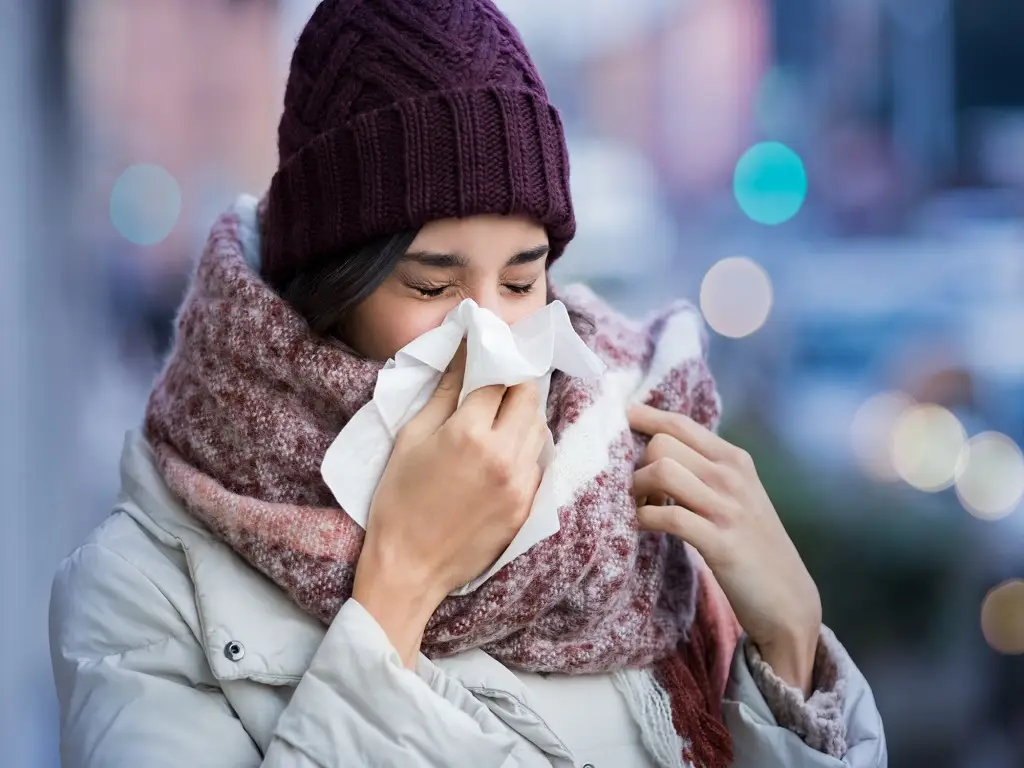
Just when many believed winter was on its way out, Basant Panchami arrived with an unexpected reminder of the season’s bite. A sudden shift in weather has pushed temperatures down sharply across the country, with heavy snowfall in the hills and rain paired with strong winds affecting Delhi and parts of Uttar Pradesh. The sudden chill has raised concerns about another cold wave, prompting doctors to warn that prolonged exposure to cold can have serious health consequences.
Medical experts explain that extreme cold forces the body into survival mode. To retain heat, blood flow to the hands and feet reduces, which can cause fingers and toes to feel numb, turn bluish, and lose proper circulation. If exposure continues for long periods, the damage can become severe and may even result in tissue death. In colder, mountainous areas, frostbite remains a major risk, as freezing temperatures can permanently damage skin and underlying tissues. Slippery, snow-covered roads also increase the chances of falls, fractures, and other injuries.
Even regions experiencing comparatively milder cold, such as Delhi-NCR, are not free from health risks. Cold weather makes blood vessels narrow and forces the heart to work harder to pump blood, often leading to a rise in blood pressure. This extra strain can be dangerous, especially for people with existing heart problems, as it raises the chances of cardiac events.
Doctors also point out that people often forget to stay hydrated during winter. Despite no sweating and fluid loss, reduced water intake can make the blood thicker, increasing the risk of strokes and heart-related issues. Cold and dry air can worsen breathing problems, triggering asthma attacks and respiratory discomfort. Extended periods of gloomy weather can also take a toll on mental well-being, contributing to stress, low mood, and anxiety due to reduced sunlight exposure.
Another concern during winter is the unsafe use of heaters and open fires indoors. Poor ventilation can cause harmful gases to build up, posing a serious risk to life. Additionally, constant exposure to dry, heated air can irritate the nose and airways, leading to coughing and breathing difficulties.
Health experts advise people to stay warm by dressing smartly rather than heavily. Wearing multiple light layers helps block cold winds more effectively. Keeping the body dry is equally important, and wet clothes or socks should be changed immediately. Extra care is especially important for the elderly, young children, and those with heart conditions. Covering the head and ears, wearing gloves, and choosing proper footwear can go a long way in protecting against the harsh effects of this sudden cold spell.