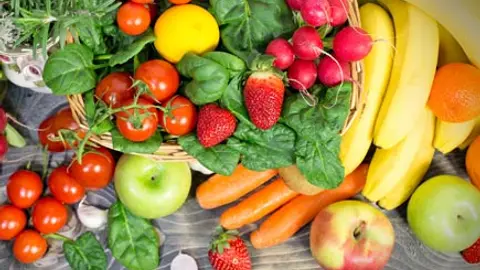
It usually starts as a small, everyday moment. You pick up a fruit, maybe straight from the market or even from a tree, and eat it without a second thought. After all, fruit is supposed to be healthy. But during outbreak season, medical experts say this simple habit can sometimes turn risky. What looks fresh and clean on the outside may still carry harmful viruses, bacteria, or chemical residues that you can’t see.
Health experts explain that the Nipah virus is one of the biggest concerns during such times. Nipah is known to spread from animals to humans, often through contaminated food. Fruit bats, which naturally carry the Nipah virus, commonly feed on fruits at night. While doing so, they may leave behind saliva, urine, or partially eaten pieces. Even if the fruit looks untouched the next morning, it may still be contaminated and capable of spreading infection.
What makes Nipah especially dangerous is how easy it is to miss the risk. The fruit may look perfectly normal, with no signs of spoilage or damage. Experts warn that eating such fruit without washing or peeling can allow the virus to enter the body directly. In some cases, the virus can survive on the surface of fruit for several days, increasing the chances of transmission.
Nipah virus is not a mild illness. Medical professionals describe it as fast-moving and potentially fatal. It can spread through contaminated food, contact with infected animals, or close contact with an infected person. Early symptoms often resemble common flu or viral infections, including fever, headache, vomiting, and body pain. But the condition can worsen quickly, leading to brain inflammation, confusion, seizures, and even coma. Since there is no specific cure or vaccine for Nipah, doctors stress that prevention is the most effective protection.
The concern does not end with Nipah virus alone. Experts point out that unwashed fruits and vegetables can also carry bacteria such as Salmonella, E. coli, and Listeria, along with viruses that cause food poisoning. These infections can result in diarrhoea, vomiting, fever, and severe dehydration. Children, older adults, pregnant women, and people with weaker immunity are especially vulnerable to complications.
There is also the issue of chemicals. Fruits may contain pesticide residues that build up over time. Long-term exposure to these chemicals has been linked to hormonal problems, nerve-related disorders, and other serious health conditions. While washing may not remove everything, it can significantly reduce the risk.
According to medical experts, staying safe does not require drastic changes—just mindful habits. Fruits should always be washed well under running water, even if they are peeled later. Produce that has fallen on the ground or shows signs of being bitten should be avoided. During Nipah outbreaks, experts also advise staying away from raw fruit products that may be easily contaminated. Clean hands, clean storage, and careful handling all play an important role.
During outbreak season, safety isn’t about panic. It’s about awareness and routine. Spending a few extra seconds washing or peeling fruit can greatly lower the risk of serious infections like Nipah. When treatment options are limited, simple hygiene becomes one of the strongest tools we have to protect ourselves and our families.
Eat safe, stay safe.