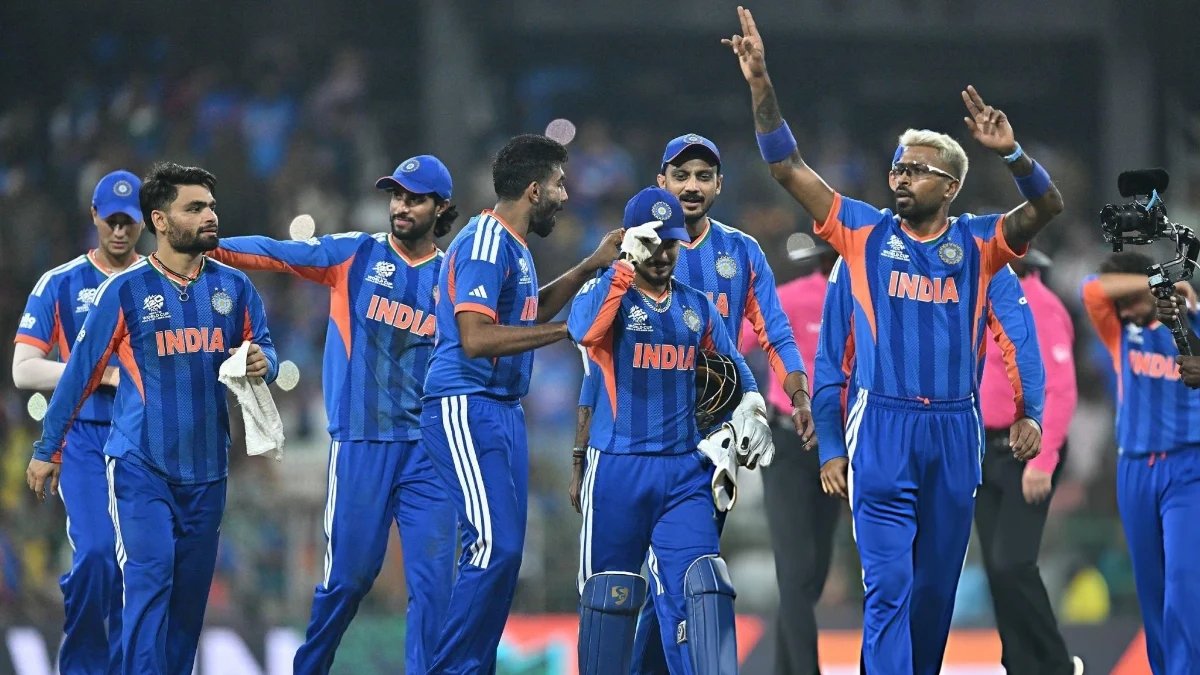
The ICC Men’s T20 World Cup 2026 introduced a revamped format, bringing back the Super 8 stage—a knockout-lite phase that separates genuine contenders from early casualties. With India already through as the first qualifier after their crushing 61-run win over Pakistan, the stakes are rising fast. But what exactly is the Super 8 stage, and how does it work?
Here’s everything you need to know about this crucial phase of the tournament.
What Is the Super 8 Stage?
The Super 8 stage is the second phase of the T20 World Cup 2026, sitting between the group stage and the semifinals. After the initial group matches, the top two teams from each of the four groups (A, B, C, D) advance to the Super 8s—creating a pool of eight elite teams.
These eight teams are then divided into two groups of four. Each team plays the other three in their Super 8 group, and the top two from each group advance to the semifinals. It’s a high-pressure round where every match is must-win, and net run rate can make or break campaigns.
The format was last used in the 2007 and 2009 T20 World Cups before being replaced by simpler knockout structures. Its return in 2026 signals the ICC’s desire to maximize competitive matches while ensuring only the best teams reach the final four.
How Does Qualification Work?
Sixteen teams entered the T20 World Cup 2026, divided into four groups:
- Group A: India, Pakistan, Bangladesh, Ireland
- Group B: Australia, England, Afghanistan, Scotland
- Group C: South Africa, West Indies, Sri Lanka, Zimbabwe
- Group D: New Zealand, Netherlands, USA, Papua New Guinea
Each team plays three group matches. The top two from each group advance to the Super 8 stage. Points are awarded as usual: 2 for a win, 1 for a no-result, 0 for a loss. If teams finish level on points, net run rate (NRR) determines qualification.
India became the first team to qualify for the Super 8s after defeating Pakistan by 61 runs in their second Group A match. With two wins from two, they’ve already secured a top-two finish, regardless of their result against Bangladesh.
Super 8 Groups: How Are They Decided?
Once all eight qualifiers are confirmed, they’re split into two Super 8 groups. The ICC uses a seeding system based on group-stage performance to ensure competitive balance. Typically, Group A winners won’t face Group B winners in the same Super 8 group—they’re placed in opposite pools to set up potential semifinal clashes.
Super 8 Group 1 and Super 8 Group 2 will each have four teams. Every team plays three more matches. The top two from each group advance to the semifinals, scheduled for late February 2026.
Points and NRR carry over partially in some ICC tournaments, but for T20 World Cup 2026, the Super 8 stage is a fresh slate—teams start with zero points again.
Why the Super 8 Stage Matters
This phase is where tournaments are won and lost. Teams can dominate group stages only to falter when the intensity ramps up. The Super 8s eliminate weaker sides while rewarding consistency. One bad day, and even favorites can go home.
Historically, the Super 8 format produced unforgettable drama. In 2007, India famously crashed out in the group stage (before the Super 8s) after losing to Bangladesh—a shock that reshaped Indian cricket. In 2009, the Super 8s saw Pakistan surge to the title, beating Sri Lanka in a thriller.
For India in 2026, reaching the Super 8s was always expected. But finishing atop Group A gives them better seeding, potentially easier Super 8 opponents, and psychological momentum. Their dominant win over Pakistan wasn’t just about points—it was about sending a message to every team watching.
Key Dates and Schedule
- Group Stage: February 10–18, 2026
- Super 8 Stage: February 20–26, 2026
- Semifinals: February 28, 2026
- Final: March 2, 2026 (Colombo)
The Super 8 matches will be played across three Sri Lankan venues: Colombo, Hambantota, and Pallekele. India’s Super 8 group and fixtures will be confirmed once all group-stage results are in, likely by February 18.
Who Else Is Through?
As of February 16, India is the only confirmed Super 8 qualifier. Australia and South Africa are favorites to top Groups B and C, respectively, but upsets remain possible. England, Afghanistan, and New Zealand are all pushing hard for spots.
Pakistan, meanwhile, faces a must-win scenario against Ireland after their loss to India. Another defeat, and their tournament ends in the group stage—a humiliation they desperately want to avoid.
What Happens Next for India?
India will play Bangladesh in their final Group A match on February 18. The result won’t affect their qualification but could influence their Super 8 seeding and group draw. A win keeps momentum high and sends a warning to potential knockout opponents.
For now, India are riding high. The Super 8 stage is where they’ll face the tournament’s elite—and where their title credentials will truly be tested.