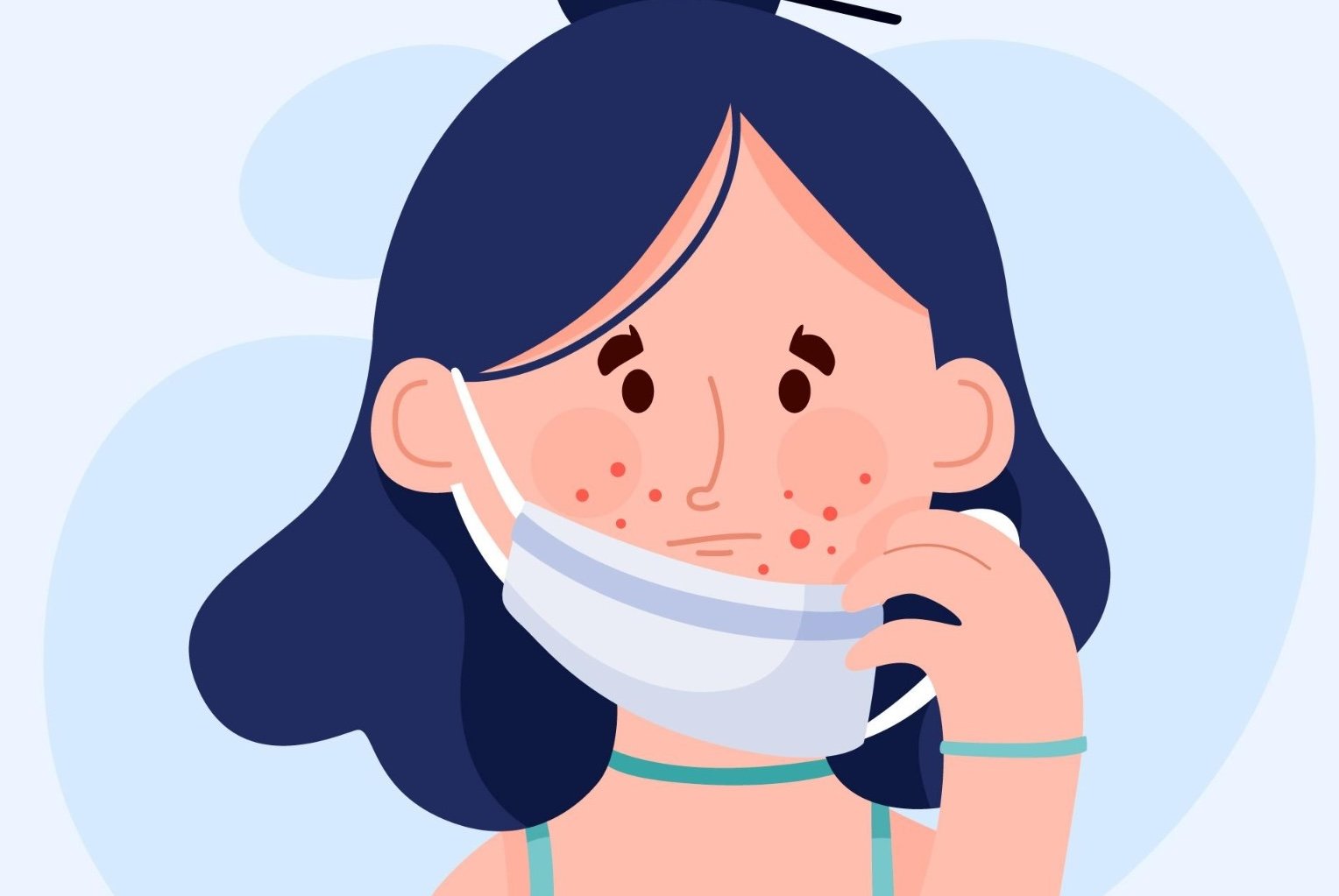
Acne scars can stay long after breakouts fade. Many people look for solutions to reduce marks and improve clarity, and an effective option for targeted recovery is an acne scar gel.
These formulations are designed to help the skin recover from post-acne inflammation, support collagen renewal, and reduce the appearance of surface irregularities. With consistent use and the right technique, an acne scar gel can become an effective part of a long-term skincare routine.
Let’s explore how the product works, the ideal time to apply it, and the best ways to use it for clear, realistic scar-care results.
What are Acne Scars and Why Do They Form
Acne scars develop when inflamed breakouts damage the deeper layers of the skin. When a pimple becomes swollen or infected, the skin responds by producing collagen to repair the affected area.
If too little collagen forms, the skin sinks, creating indented scars, while excess collagen leads to raised marks. Factors such as genetics, picking at pimples, severe cystic acne, and delayed treatment increase the likelihood of scarring.
These scars often linger long after acne heals because the skin’s repair cycle is slow. Understanding why they form helps you choose the right approach to manage them effectively.
What an Acne Scar Gel Does
An acne scar gel is a topical skincare product developed to improve the look of scars left behind after acne lesions heal. It is formulated to target hyperpigmentation and scars.
These gels often include ingredients such as peptides, collagen, and antioxidants. Their non-greasy texture helps them absorb easily while forming a thin layer over the affected area to support skin repair.
Most acne scar gels work gradually, and improvements become noticeable with consistent application rather than quick fixes.
How to Apply Acne Scar Gel (Step-by-Step)
Using an acne scar gel correctly ensures optimal benefits. The way you apply it, when you use it, and what you pair it with can significantly influence the outcome.
- Cleanse Gently Before Application
Begin with a mild, non-stripping cleanser to remove dirt, excess oil, and environmental residue. Clean skin allows the acne scar gel to absorb effectively without interference from leftover impurities.
- Apply a Thin, Even Layer
A pea-sized amount is often enough for the entire face. Spread the acne scar gel evenly over the targeted areas rather than applying too much.
- Follow Recommended Frequency
Start slowly and increase usage as your skin adapts. Remember, scar gels have to be used consistently.
- Pair with a Moisturiser
Some acne scar gels contain active ingredients that may cause dryness. Using a hydrating moisturiser supports the skin barrier and balances moisture levels, preventing flakiness or irritation.
- Use Sunscreen Every Day
Exposure to UV rays can darken scars and undermine the progress made by an acne scar gel. Daily sunscreen use is essential, especially if your gel contains exfoliating or brightening ingredients.
- Avoid Mixing Too Many Actives
Layering multiple active treatments without guidance may overwhelm the skin. Avoid combining it with actives in the same routine unless recommended by a dermatologist.
- Be Consistent
Progress relies on regular use. Even the best acne scar gel cannot deliver results if applied inconsistently.
A mindful routine allows your acne scar gel to work effectively, giving your skin the consistency it needs to recover. Hydration and sun protection remain essential supporting steps.
For a well-rounded skincare routine, you can use a dedicated stretch mark cream alongside your scar cream. Each formula is designed with a specific concern in mind. Stretch mark scar creams target stretch marks, while scar creams are formulated specifically to improve the appearance of scars.
Expected Results and Realistic Timelines
Seeing improvements from an acne scar gel takes consistency, patience, and an understanding of how the skin heals. Every scar type responds differently, so results vary from person to person. A clear expectation helps you follow your routine with confidence.
What you can generally expect
- New scar improvement may take 8–12 weeks.
- Older scars can need 3–6 months of steady use.
Best results appear when paired with sun protection and a simple, supportive routine.
Acne Scar Gel vs Other Treatments
An acne scar gel offers a gentle, accessible option for improving pigmentation and mild textural irregularities, making it ideal for early or moderate scarring. It works gradually and relies on consistent daily use to enhance the skin’s natural repair cycle.
In contrast, treatments like chemical peels, microneedling, and laser therapy deliver faster, more dramatic results by resurfacing deeper layers of the skin. However, these treatments require professional guidance, downtime, and often come with major side effects.
While in-clinic procedures suit severe or longstanding scars, an acne scar gel remains an effective, low-risk choice for ongoing maintenance and visible improvement over time.
Start Your Scar-care Journey Today
Treating acne scars is a gradual journey, and the right approach helps you build healthier skin over time. Consistency, patience, and realistic expectations matter just as much as the product you choose.
An acne scar gel works best when supported by daily sun protection, balanced skincare, and a routine that suits your skin’s needs. As you explore options, look for trusted formulations from brands like Mederma, which focus on targeted repair and long-term skin improvement.
With steady use and mindful care, you can encourage smoother, healthier skin. Your commitment today becomes the foundation for visible results in the months ahead.