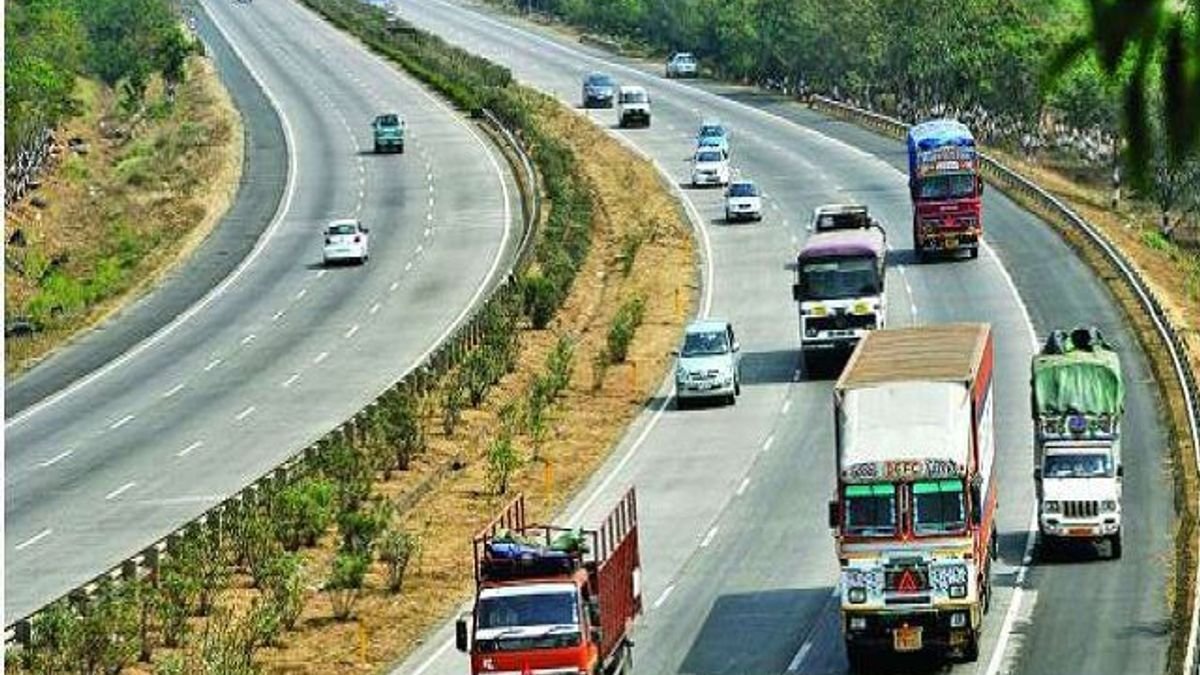
India’s travel story is changing and it’s no longer just about catching flights or booking train tickets. According to industry experts, the real transformation is happening on highways, expressways and state roads, as more Indians choose to explore the country by road.
With rising disposable incomes, better highway infrastructure and growing travel demand from Tier 2 and Tier 3 cities, road travel is no longer just a practical option. It is becoming a preferred way to travel. Short holidays, flexible plans and experience-driven journeys are pushing more people to hit the road, and this shift is impacting the entire tourism ecosystem.
A senior mobility industry expert explains that road travel is increasingly becoming a key driver of domestic tourism growth, especially as smaller cities contribute more travellers. People today want quick getaways and the freedom to design their own itineraries, making road-based travel more appealing than fixed flight or train schedules.
Unlike air or rail journeys, road trips turn travel time into part of the holiday itself. Another travel sector leader notes that driving allows people to pause at scenic spots, take unplanned detours and move at their own pace. This freedom changes how people experience leisure travel, making the journey just as enjoyable as the destination.
This flexibility has helped boost lesser-known destinations. Heritage towns, religious circuits, hill stations, wellness retreats and rural tourism clusters benefit greatly from improved road connectivity. In many such places, last-mile access plays a crucial role in attracting visitors.
Government investments in expressways and tourism corridors have further accelerated the trend. As infrastructure improves, travellers are increasingly planning multi-stop road trips, exploring offbeat destinations that are not easily accessible by air or rail.
Younger travellers are playing a big part in this shift. A hospitality industry expert observes that road trips are becoming the backbone of domestic tourism, from weekend escapes to longer intercity journeys. Improved highways and smoother last-mile connectivity are encouraging people to choose the comfort and cost flexibility of road travel.
Unlike fixed travel schedules, road trips allow people to combine multiple destinations in one journey. This has increased demand for small towns, hidden cultural spots and offbeat hill stations that were earlier overlooked.
The impact is clearly visible in the hospitality sector, especially among budget hotels and hostels. Experts point out that spontaneous two-to-four-day trips fit perfectly with hostel culture. Young travellers, particularly Gen Z and millennials, prefer experience-driven group travel and community stays over luxury.
Flexible check-ins, secure parking, digital bookings and curated local experiences are now essential for properties catering to road travellers.
Beyond the romance of road trips, organised mobility services such as reliable intercity cabs and professional fleet operators are also strengthening the sector. Industry voices highlight that structured road transport improves safety and comfort for families, senior citizens and business travellers, while also creating jobs and boosting hospitality businesses in smaller towns.
India’s tourism growth, it seems, is increasingly being powered not by airport terminals — but by open roads.