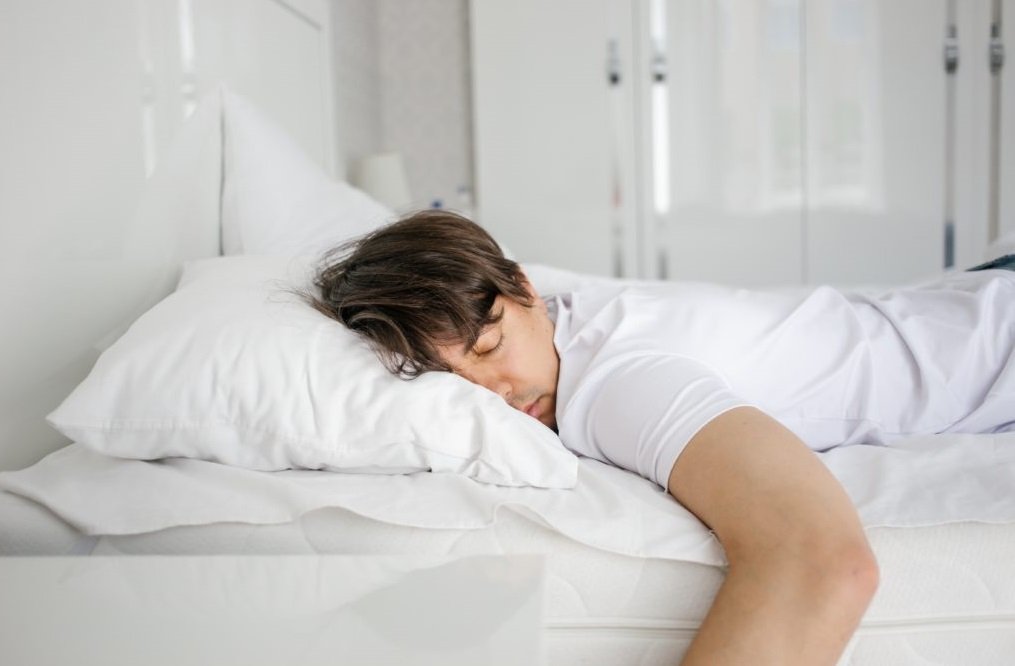
For many people, drifting off to sleep with a lamp glowing or the TV flickering in the background feels completely normal. Some find it comforting. Others do not even notice the streetlight sneaking through the curtains. It may seem harmless, but sleep experts say this small habit could be affecting your body more than you realize.
The reason has everything to do with your internal clock.
Our bodies run on a natural 24-hour cycle known as the circadian rhythm. This system controls when we feel awake or sleepy, along with hormone release, energy levels, metabolism and even mood. Light plays a major role in keeping this rhythm on track.
When it gets dark, the brain produces melatonin, the hormone that helps you fall asleep and stay asleep. But when light is present, especially artificial light, melatonin levels drop. That means your brain may not fully switch into proper “night mode”, even if your eyes are closed.
You might still fall asleep with the lights on, but the quality of your sleep can suffer. Experts explain that even low light can make sleep lighter and more broken. You may wake up more often or spend less time in deep sleep, the stage your body needs for repair, recovery and memory.
There are other possible effects too. Reduced melatonin can influence immunity, metabolism and cell repair. Some studies suggest that regular exposure to light at night may be linked to weight gain and trouble regulating blood sugar. Emerging research also shows it could affect how your heart rate and blood pressure reset during sleep.
Not all light is equal. Blue light from phones, TVs and LED bulbs is especially disruptive because it strongly blocks melatonin. Warm, dim lighting is less harmful, but complete darkness remains ideal.
Of course, some people feel uneasy in total darkness, including children or those with anxiety. In those cases, experts suggest using a very dim, warm-toned night light placed away from direct eye level, and avoiding overhead lights or screens.
Occasionally sleeping with the lights on won’t cause instant damage. But over time, darkness is one of the simplest gifts you can give your body for better rest and long-term health.