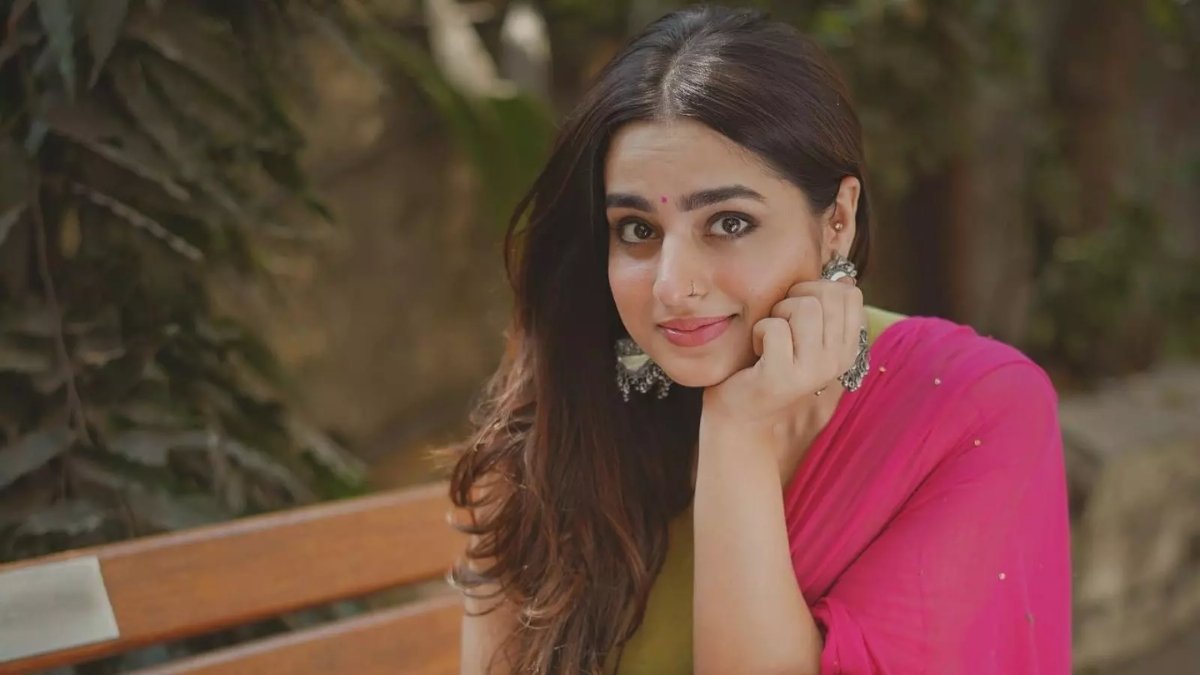
Actor Ayesha Khan has done what very few public figures dare to do — she named the violence, in plain language, in public. Speaking at the Mojo Story summit, she described daily sexual harassment on Instagram, routine rape threats, a prior experience of attempted rape, and a deeply unsettling incident on a film set. Her account is not just personal. It is a mirror held up to an industry-wide failure.
“Every Day” — The Normalisation of Online Threats
Ayesha did not frame her experience as extraordinary. That, in itself, is the most disturbing part. “I am almost every day sexualised for my body on Instagram,” she said, describing how even routine posts attract unwanted attention. “I wear a normal top, people have a problem. I wear skirts, people have a problem.”
When asked about rape threats specifically, her answer was immediate. “Yes. Every day. I can open my phone right now and show it to you.” She added that it has become so routine that women in her position stop reacting — and that normalisation is the real crisis.
A Wound She Does Not Want to Revisit
Beyond the daily digital abuse, Ayesha confirmed something far graver. She is a survivor of attempted rape — a fact she had shared previously in an interview, and one she chose not to detail further at the summit. “There are days, there are times when it just triggers you,” she said. “Scratches that wound that I don’t want to remember.”
Her restraint in recounting the experience is telling. Survivors are routinely pressured to perform their trauma publicly to be believed. Ayesha’s decision to acknowledge it without reliving it deserves that same respect in coverage.
The Film Set Incident That Proved No Space Is Safe
One of the most concrete details Ayesha shared involved a harassment incident during a film shoot. A crew member had been sending her unwanted voice notes through Instagram — a form of digital access that professional environments rarely account for. She informed her father and the production team, and action was reportedly taken.
However, the episode exposes a gap that the film industry has largely ignored. Professional sets have protocols for physical safety. They rarely have clear, enforced policies for digital harassment by colleagues. For women working in public-facing roles, that gap is dangerous.
Why Ayesha Khan’s Voice Lands Differently Right Now
Ayesha Khan is not speaking from the margins. She gained national visibility through Bigg Boss 17 and has steadily built a film career, with credits including the Telugu debut Mukhachitram (2022), followed by Om Bheem Bush and Manamey in 2024. Her song Shararat from Dhurandhar (2025) is currently drawing attention online — which means her Instagram presence, and the abuse that comes with it, is at a peak right now.
She stressed that this experience is not hers alone. Women across entertainment, regardless of their level of fame, face the same pattern of abuse. Therefore, the conversation she has started is bigger than her individual story.
The Larger Pattern the Industry Keeps Ignoring
India’s entertainment industry has had several reckoning moments around harassment — most visibly during the MeToo wave of 2018. However, the specific intersection of online abuse, digital threats, and platform inaction has received far less sustained attention. Rape threats sent via Instagram DMs are rarely prosecuted. Platforms have reporting tools, but enforcement remains inconsistent. The burden of managing that environment continues to fall on the person being targeted.
Ayesha Khan’s decision to speak publicly, in specific terms, adds to a growing body of testimony that should be driving policy — both within production houses and at platform level. The question is whether this time, it will.