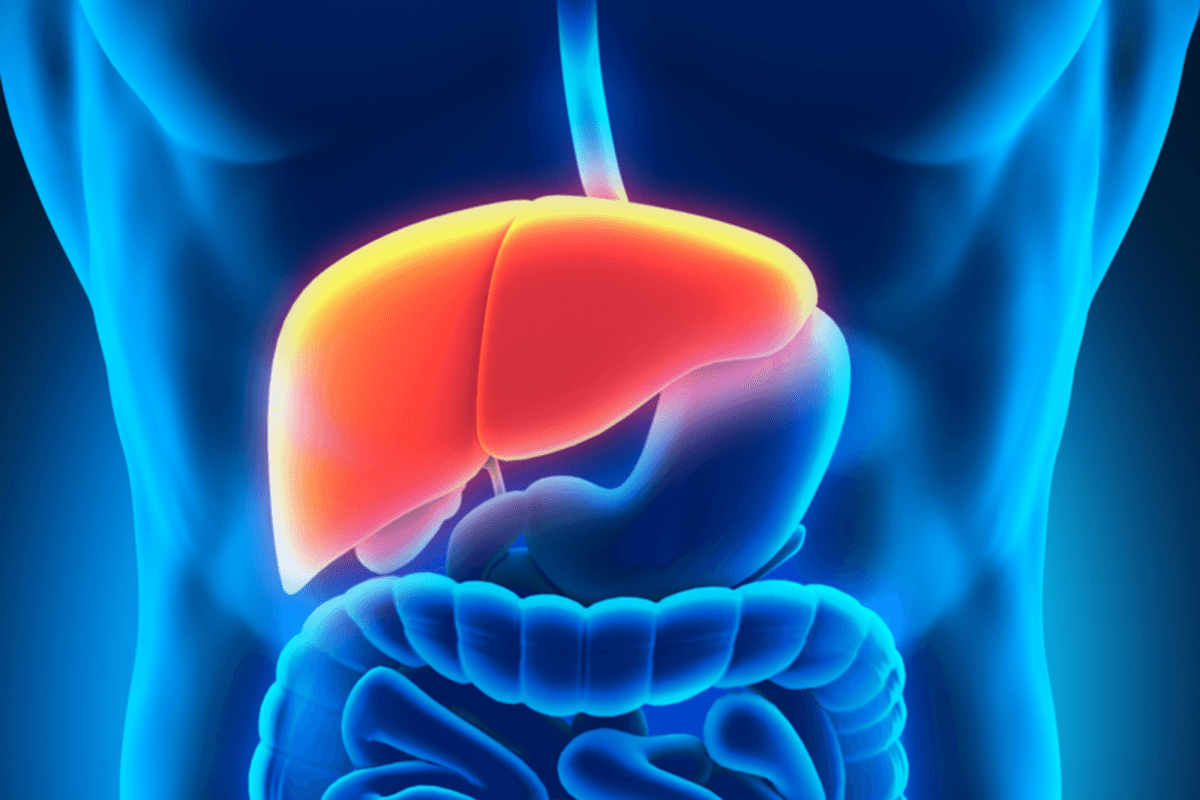
Most people think sleep is simply a time for the body to rest. But while you are asleep, one of your most important organs, the liver, is actually hard at work.
The liver performs hundreds of essential tasks every day. It filters toxins from the body, processes nutrients, regulates metabolism and supports the immune system. However, much of its repair and detoxification work happens during sleep. Medical experts say that when sleep becomes irregular or too short, this natural process can be disturbed, affecting how efficiently the liver functions.
According to health experts, modern lifestyle habits are quietly harming liver health. Late-night screen use, irregular work hours and poor sleep routines are becoming common and are starting to impact the body in subtle but important ways.
Medical experts explain that while people view sleep as a period of rest, the liver uses this time to carry out important detoxification work. The organ follows a natural circadian rhythm—a 24-hour internal body clock—that controls processes such as glucose metabolism, bile production and toxin removal. Deep and uninterrupted sleep helps maintain this rhythm and allows the liver to function properly.
Experts also point out that sleep is often overlooked when people think about improving liver health. Many people turn to detox drinks or cleanses promoted online, but specialists say the most effective detox method the body has is actually good quality sleep.
During the day, the liver focuses mainly on processing nutrients from the food we eat, maintaining energy balance and regulating blood sugar and fats. At night, however, it switches into a deeper repair phase where detoxification and cellular recovery take place.
When sleep is disrupted, the effects go beyond feeling tired. Over time, lack of sleep can trigger several metabolic changes. Experts say poor sleep can increase stress hormones like cortisol and contribute to insulin resistance, which puts extra strain on the liver.
Sleep loss can also disturb hormones that control hunger and fullness. This often leads to stronger cravings for sugary foods, unhealthy eating habits and weight gain—factors that may eventually cause fat buildup in the liver.
Late-night eating can make things worse. Experts explain that eating close to bedtime forces the liver to shift back into digestion mode when it should be focusing on repair and detoxification. Over time, such habits may increase the risk of long-term conditions like diabetes, heart disease and stroke.
Experts also warn that detox supplements cannot replace the benefits of proper sleep. Many of these products lack strong scientific evidence, and the body’s natural detox process during deep sleep is far more effective.
They also note that catching up on sleep over the weekend does not fully fix the problem, as irregular schedules can still disrupt the body’s internal clock.
To support liver health, experts recommend simple habits such as getting 7–9 hours of sleep every night, maintaining a regular sleep schedule and avoiding late-night meals, alcohol and sugary drinks before bed. These small changes can help the liver focus on repair rather than digestion during the night.