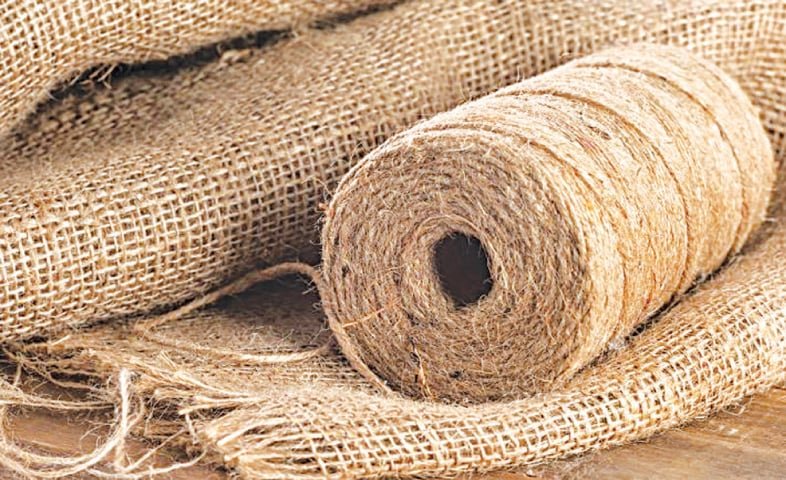
Few cities build an identity around a single industry, but Kolkata did exactly that with jute. Jute is one of the most widely used natural fibres in the world. It is commonly made into ropes, bags, carpets, and many industrial products. Growing this fibre requires fertile soil, plenty of river water, and the right humid climate, conditions that eastern India naturally offers.
Kolkata, located in West Bengal, rose to global fame as the “Jute Capital of the World”. The city became a major centre for jute processing and manufacturing because it sits close to key jute-growing regions and developed a strong industrial foundation over time.
Its location near the fertile Ganges Delta ensured a constant supply of raw jute to factories. This advantage helped mills operate smoothly and at scale.
Over the years, Kolkata built a dense network of jute mills and established itself as a global leader in manufacturing jute goods. The city also grew into an important export hub, sending jute products to markets across the world.
Natural conditions played a big role in this success. The humid weather, rich alluvial soil, and abundant river water in eastern India created the perfect environment for jute farming. Kolkata’s historic river port and well-connected transport systems made processing and exporting goods efficient and reliable.
The growth of jute mills around the city powered industrial development and generated large-scale employment. The industry strengthened manufacturing, expanded trade, and boosted the regional economy.
Today, India remains one of the world’s top jute producers, and Kolkata continues to serve as the country’s main centre for processing and exporting the fibre. The city’s industrial strength has secured its place as a global hub for natural fibre production.