Trade between India and Iran, historically known as Persia, dates back thousands of years. Merchants travelled through sea routes across the Arabian Sea and land routes through Central Asia, exchanging goods such as spices, textiles, pearls and precious metals. These journeys helped build strong economic and cultural ties between the two regions. During the Mughal Empire, many traders and travellers moved between the regions, and some eventually settled in India.
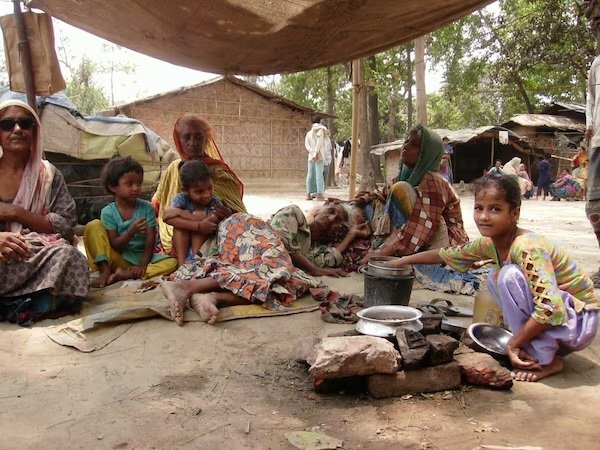
One place where this history is still visible today is Kishanganj in Bihar, which is home to a small but unique Irani community. Locals sometimes refer to the settlement as “Little Iran.” The community traces its roots back to Persia, and over time families settled in different parts of India. In Kishanganj, they live in small clusters known locally as Irani Bastis, mainly around the Motibagh Karbala area. Most members of the community follow Shia Islam.
Despite their Persian ancestry, the community strongly identifies as Indian. Over the years they have adopted many local customs while continuing to preserve parts of their heritage, including language and cultural traditions. This blend of identities has helped them integrate into Indian society while keeping their distinct background alive.
According to the Azad India Foundation, the community arrived in Kishanganj in the early 1980s after migrating from Purnia in Bihar. In the beginning, many of them lived a nomadic lifestyle, travelling in caravans and setting up temporary tents. Their primary work involved trading horses at fairs, festivals and with wealthy landlords. Over time, their businesses evolved and expanded to include selling knives, glass frames and other goods.
Today, many members of the community are involved in the gemstone trade, sourcing stones from cities such as Kolkata and Jaipur.
Even though they are a small minority, the community has carefully preserved its traditions. They speak a Persian-influenced dialect mixed with Hindi and Urdu. Cultural practices such as marriage ceremonies, rituals and community gatherings remain an important part of their identity. Marriages are often arranged within the community to maintain social and cultural continuity.
Their food also reflects a blend of cultures. Meals often combine Bihari flavours with Persian-style cooking techniques, with meat dishes and aromatic spices playing a central role.
However, the community recently faced challenges. Last year, ahead of the Bihar Assembly Elections, around 30 members reportedly received official notices asking them to prove their citizenship during a Special Intensive Revision of the voter list. For many families whose ancestors had been registered voters for decades, the sudden verification process came as a surprise.