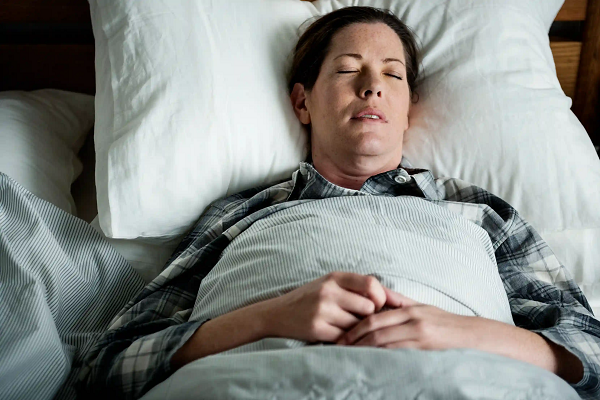
Many people believe that poor sleep and weight gain are separate health problems. However, medical experts say the two are often closely connected. One condition in particular—Obstructive Sleep Apnea (OSA)—shares a strong link with Obesity, and the two can influence each other in ways that make both conditions worse over time.
According to medical experts who study sleep disorders, these conditions share what is known as a bidirectional relationship. This means that obesity can increase the risk of developing sleep apnea, while sleep apnea itself can make it much harder for someone to maintain a healthy weight.
The connection often begins with physical changes in the body. Excess fat around the neck and throat can put pressure on the upper airway. During sleep, when the body’s muscles relax naturally, this already narrow airway may partially or completely collapse. When that happens, breathing temporarily stops, leading to repeated pauses known as apnea events. These interruptions can occur many times during the night and prevent the body from getting restful sleep.
Weight gain can also affect breathing in another way. When extra fat accumulates around the abdomen, it can press against the diaphragm, the muscle responsible for helping the lungs expand. This pressure can limit the lungs’ ability to fill with air properly, making breathing during sleep more difficult and less efficient.
Another factor experts point out is that a larger body mass requires more oxygen to support normal body functions. If breathing is already disrupted during sleep because of apnea, the body may struggle to meet this oxygen demand, which can put additional strain on the respiratory system throughout the night.
At the same time, sleep apnea can make weight management more challenging. Poor-quality sleep affects hormones that regulate hunger and fullness. Medical experts explain that sleep disruption may increase levels of ghrelin, the hormone that stimulates hunger, while decreasing leptin, the hormone that signals when the body feels full. Because of this imbalance, people may feel hungrier than usual and may crave sugary or high-calorie foods more often.
Interrupted sleep and reduced oxygen levels can also trigger stress responses in the body. Over time, these changes may raise blood sugar levels and contribute to insulin resistance, a condition that encourages the body to store more fat. In addition, people living with sleep apnea often experience constant fatigue during the day. Feeling tired can reduce motivation to exercise or stay physically active, which further contributes to weight gain.
Medical experts say that improving one of these conditions can often help improve the other. Research suggests that losing even 10 to 15 percent of total body weight may significantly reduce the severity of sleep apnea. In some people with mild cases, major weight loss may even eliminate the condition completely.
Treatments such as Continuous Positive Airway Pressure, commonly known as CPAP therapy, are also widely used to manage sleep apnea. This treatment helps keep the airway open during sleep, stabilizing oxygen levels and improving sleep quality. When people start getting better rest, their energy levels and appetite hormones may become more balanced, which can make weight management easier.
Experts also recommend simple lifestyle habits that may help reduce apnea episodes. Sleeping on the side instead of the back can reduce the chances of airway collapse, and avoiding alcohol before bedtime may help because alcohol relaxes throat muscles and can worsen breathing interruptions.
Understanding the connection between obesity and sleep apnea can help people take early action. With the right treatment, better sleep and healthier lifestyle choices, it may be possible to break the cycle and improve both sleep quality and overall health.