In today’s fast-paced life, grabbing packaged or ready-to-eat food has become almost second nature. From frozen meals to processed snacks, convenience often takes priority when time is short. But health experts are now raising serious concerns about what this habit could be doing to your heart.
A recent study has found a strong connection between high consumption of ultra-processed foods and an increased risk of major heart problems. According to researchers, the more of these foods people eat daily, the higher their chances of facing issues like heart attacks, strokes, or even death related to heart disease.
The findings suggest that with every extra serving of ultra-processed food consumed each day, the risk of serious heart-related conditions rises by over 5%. Even more alarming, people who consumed more than nine servings daily were found to be about 67% more likely to experience major cardiac events compared to those who had only one serving a day.
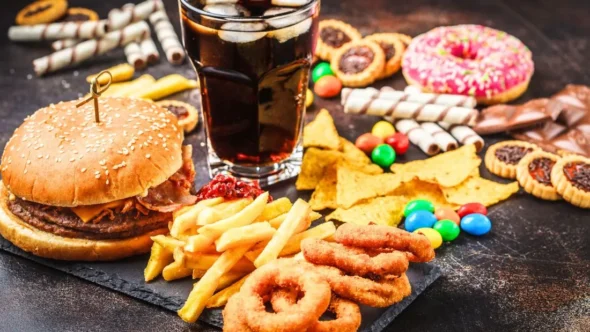
These ultra-processed foods include common items many people eat regularly—chips, crackers, sugary drinks, processed meats, frozen meals, packaged breads, and breakfast cereals. While they may seem harmless and convenient, experts say they should only be eaten in moderation.
Health professionals involved in the study explained that although such foods are easy to rely on, they often contain high levels of added sugar, salt, unhealthy fats, and preservatives, which can negatively impact heart health over time.
The research is considered significant because it studied a large and diverse group of over 6,800 adults between the ages of 45 and 84 in the United States. None of the participants had existing heart disease at the start, making the findings even more important for prevention.
Experts also suggest a simple but effective step—start reading food labels more carefully. Checking the nutritional information can help people understand what they are consuming and make better choices, such as switching to less processed options like fruits, nuts, beans, or simple home-cooked meals.
In the end, while convenience foods save time, being mindful about how often you consume them could make a big difference to your long-term heart health.