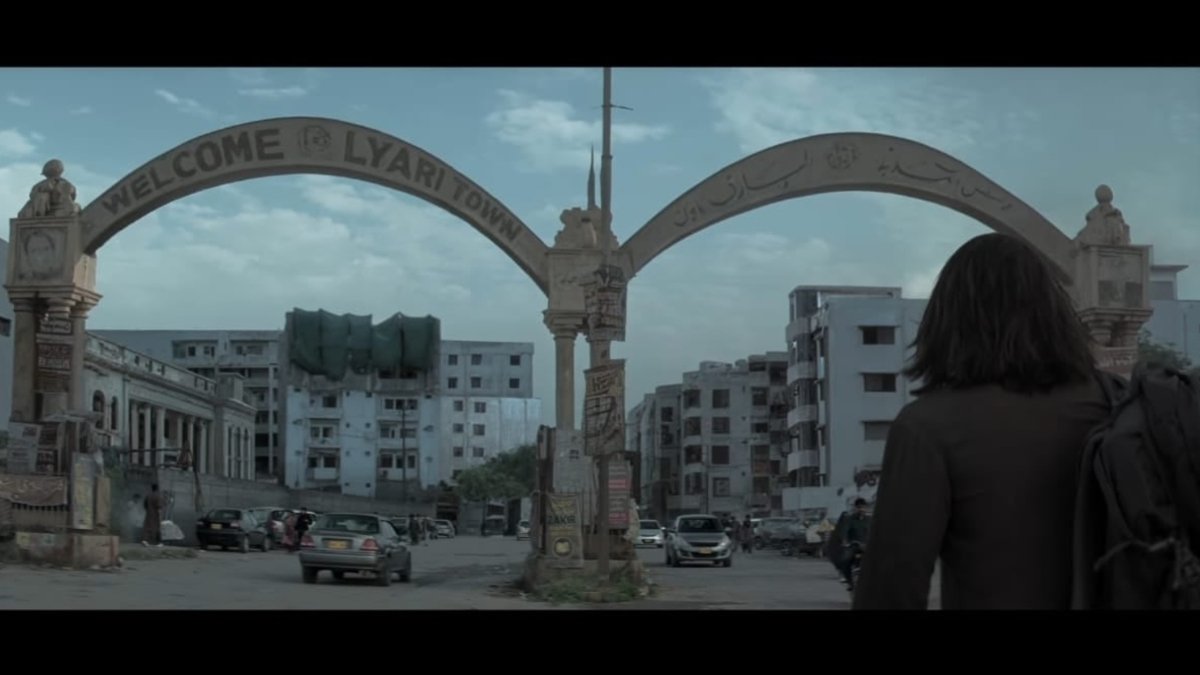
A blockbuster success has taken an unexpected turn. Aditya Dhar’s Dhurandhar: The Revenge is smashing records worldwide, but a viral video from Pakistan’s Lyari has shifted the spotlight. Residents are now demanding a massive share of the film’s earnings—raising uncomfortable questions about cinema, representation, and who truly benefits from stories rooted in real places.
Dhurandhar: The Revenge continues its dream run at the box office, crossing ₹1,100 crore globally and dominating the domestic market. But even as audiences celebrate the film’s scale and storytelling, a viral street interview from Lyari has sparked a cross-border debate.
Why are Lyari residents demanding money from Dhurandhar?
The video, shared by a YouTube channel, captures locals in Lyari reacting to the film’s success. Several residents argue that since the film draws heavily from their locality—its gangs, struggles, and identity—the profits should partly return to the community.
One resident bluntly suggests that if the film has earned ₹1,000 crore, at least ₹500 crore should be allocated to Lyari’s development. Another goes further, claiming the community deserves 70–80% of the earnings, citing the use of Lyari’s name and socio-economic conditions as the film’s narrative backbone.
The demands may sound unrealistic. But they’re not entirely random.
Dhurandhar’s story and its Lyari connection
Directed by Aditya Dhar, the film stars Ranveer Singh as Hamza, an undercover Indian spy navigating the dangerous gang networks of Lyari. The narrative blends espionage with crime drama, depicting gang wars and systemic violence in the Karachi locality.
The film positions Lyari as both a setting and a character. And that’s where things get complicated.
Cinema often borrows from reality—but rarely pays it back.
Social media reactions: divided, amused, critical
Indian audiences have reacted swiftly to the viral clip. While some comments mock the demand as “hilarious” or “shameless,” others take a more nuanced view, suggesting that the outrage reflects deeper frustrations around neglect and underdevelopment.
A few users even joked about turning the situation into a collaboration—suggesting more films could be shot in Lyari in exchange for infrastructure development.
The internet, as always, is split.
The bigger question: Who owns a story?
Here’s where this story goes beyond a viral moment.
Films across industries—from Bollywood to Hollywood—have long used real locations marked by poverty, conflict, or crime to build compelling narratives. From Mumbai’s underbelly to global war zones, authenticity often drives box office success.
But there’s no formal mechanism to ensure that communities depicted on screen benefit economically.
Not even symbolically.
That disconnect is what this controversy exposes. While Dhurandhar: The Revenge celebrates cinematic storytelling, the reaction from Lyari highlights a growing awareness: if stories are extracted from real struggles, should there be some form of reinvestment?
It’s not a legal question. It’s a moral one.
Box office dominance continues despite controversy
Meanwhile, the film’s commercial performance remains unaffected. After a massive opening, Dhurandhar: The Revenge has maintained momentum, earning over ₹750 crore in India alone. Reports suggest it crossed ₹100 crore on consecutive days—an increasingly rare feat.
The ensemble cast, including Arjun Rampal, R. Madhavan, Akshaye Khanna and Sanjay Dutt, has further boosted its appeal.
For now, the film is unstoppable.
But the conversation it has triggered might outlast its box office run.
As Dhurandhar: The Revenge races ahead commercially, the Lyari controversy adds an unexpected layer to its legacy. The numbers may define its success today—but the questions around representation and responsibility could shape how such stories are told tomorrow.