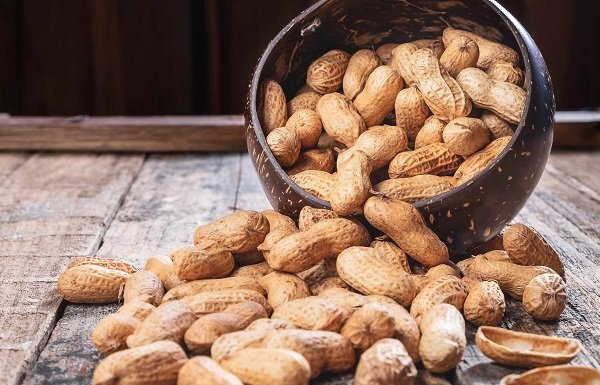
Peanuts might seem like a simple snack, but globally, one country dominates their production and that’s China. For the past 40 years, China has remained the world’s largest producer of peanuts, and it shows no signs of slowing down.
According to projections for 2026 from the leading research institutes, China is expected to contribute nearly half of the world’s total peanut production. This year alone, it is estimated to produce around 18.8 million metric tonnes, with output increasing compared to the previous year due to expanded farming areas.
Peanut cultivation in China is mainly concentrated in regions like Shandong, Henan, Guangdong, and Hebei. One of the biggest reasons for such large-scale production is simple, peanuts are widely consumed across the country.
They are used in everyday cooking, from oils to snacks and traditional dishes. Popular foods include Kung Pao Chicken, Sweet Glutinous Rice Cake, Longevity Noodles with Peanut Sauce, Spicy Drunken Peanuts, Spinach and Peanut Salad, Huang Fei Hong spicy peanuts, and peanut brittle, among others.
Beyond their popularity in the kitchen, peanuts are also valued for their health benefits. They are rich in healthy fats, especially monounsaturated and polyunsaturated fats, which help reduce bad cholesterol levels and support heart health, lowering the risk of heart disease and stroke.
Peanuts are also an affordable source of plant-based protein and fibre. They help keep you full for longer, support digestion, and can aid in weight management. On top of that, they contain antioxidants like vitamin E and resveratrol, which help fight inflammation and oxidative stress, potentially reducing the risk of chronic conditions such as type 2 diabetes and certain cancers.
In moderation, peanuts provide important nutrients like magnesium, niacin, and manganese, which are essential for nerve function, energy production, and metabolism. They also have a low glycemic index, meaning they cause only gradual increases in blood sugar levels, making them a smart snack option for many people.
From massive production numbers to everyday meals, peanuts play a much bigger role in China than most people realise.