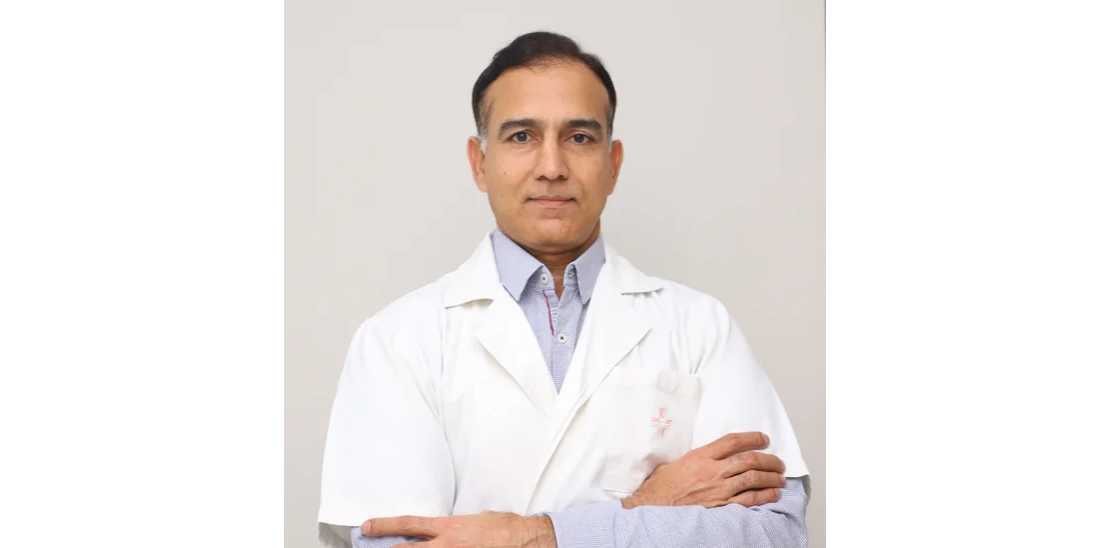
For millions suffering from early-stage knee arthritis, the prospect of a total knee replacement has long been viewed as an inevitable “dead end” for mobility. Dr. Ashwani Maichand is challenging this paradigm with the Meniscus Replacement Procedure (MRP)—a revolutionary, minimally invasive intervention designed to stop the progression of arthritis in its tracks and restore full, active movement.
Unlike traditional total knee replacements, which involve replacing the entire joint, MRP focuses on a preventive, cartilage-focused approach. By identifying and treating the damaged cartilage in the medial compartment during the initial phase, Dr. Maichand’sprocedure prevents the condition from spreading to the lateral compartment, effectively saving the natural knee.
Redefining Recovery and Mobility
“Many patients fear that an arthritis diagnosis is a life sentence of inactivity,” says Dr. Maichand. “With MRP, we are not just masking symptoms; we are stopping the disease’s progression. This is a dream come true for patients who want to maintain their quality of life, continue exercising, and stay socially active as they age.”
The procedure offers several life-changing benefits:
● Rapid Recovery: Thanks to a tiny incision, the recovery process is significantly faster than traditional surgery.
● Full Range of Motion: Unlike total replacement, MRP allows patients to return to high-mobility activities, including sitting cross-legged, performing yoga, and engaging in full-range exercises.
● Preserving the Other Knee: By addressing arthritis in one knee early, patients often see improved function and reduced compensatory strain on their other knee.
To help patients better understand this breakthrough, Dr. Ashwani Maichand addresses the most common questions regarding the procedure:
Does the pain go away completely?
Patients typically experience significant, lasting pain relief as the procedure directly addresses the source of the mechanical friction. By restoring the cushioning function of the meniscus, the joint can once again move without the bone-on-bone impact that causes chronic pain.
Is this procedure preventive?
Yes. MRP is fundamentally a preventive treatment. By intervening when the arthritis is confined to the medial compartment, we stop the “domino effect” that would eventually require a total replacement.
What are the long-term outcomes?
Because this is not a “dead-end” surgery like total replacement, patients maintain their natural anatomy. There are no long-term restrictions on walking, allowing patients to stay as active as they like, provided they follow the six-week post-operative recovery protocol to achieve full movement.
Can I return to my usual routine?
Absolutely. The goal of MRP is to return patients to their normal lives—whether that means climbing stairs, traveling, or participating in intense exercise—without the mobility restrictions typically associated with joint surgery.
The Meniscus Replacement Procedure is now available for patients experiencing early-to-mid-stage knee arthritis. By choosing to treat the damage early, patients can preserve their joint, avoid the trauma of total replacement, and reclaim their freedom of movement.