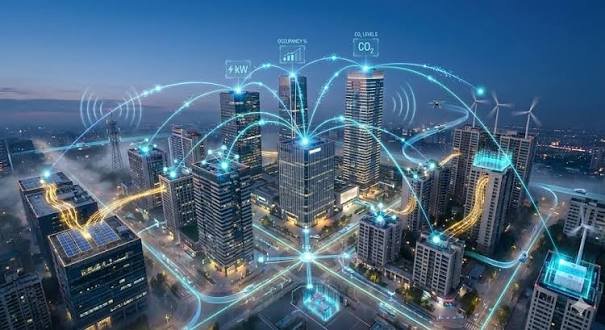
The sensors, controls, and software used in a building can be modern, and yet it can still be a waste land in terms of energy. This is typically the case when the systems operate independently of one another. The facility teams are then provided with individual data regarding lighting, cooling, security, and power consumption. They may be aware that something is wrong but not know why.
So, how do smart buildings help to enhance energy efficiency and enhance the comfort of the occupants?They are involved in linking significant systems and making daily decisions based on common information. But it is not enough to be connected. Clear goals that define what better performance should be like are essential for smart buildings as well. Let’s discuss why they are both important.
What’s the connection between the collaborators?
A connected building provides facility teams with a better understanding of what is going on in the building every day. There should be five areas that share information
- Heating and Cooling
The HVAC system must react to the conditions in the building. Occupancy, room temperature, operating times, and weather conditions can all affect when these systems operate.
With improved coordination, rooms do not have to be heated or cooled unnecessarily.
- Lighting and Occupancy
Occupancy sensors and schedules can be used to better match the use of each space in lighting systems. When an area is empty, lights can be either dimmed or turned off.
This straightforward link reduces energy use while providing no loss of comfort or safety.
- Power and Energy
Power monitoring enables teams to understand where power is being used. It can also indicate unexpected spikes in demand, unusual power in an unusual way, or equipment that is using more power than expected.
This allows teams to be useful with all the information prior to the monthly electricity bill.
- Safety and Security
Fire alarms, access control, cameras, and security systems should never be used as separate and distinct components. Information shared can aid in understanding an incident and faster response.
It can also demonstrate the impact of a safety event on a building’s other components.
- Equipment and Maintenance
These sensors are connected to the equipment and can be used to monitor its condition, including its runtime, temperature, and vibration levels. This information is valuable to the maintenance staff in smart buildings, as they are able to anticipate issues at an earlier stage.
It then becomes possible to schedule repairs before a fault occurs that results in downtime or discomfort.
5 Goals That Give Building Data a Purpose
- Lower Energy Waste
Teams can compare actual consumption with normal operating patterns. This helps them find equipment, schedules, or spaces that use more energy than necessary.
- Improve Occupant Comfort
Temperature, lighting, air quality, and noise affect how people experience a building. Clear comfort targets make these conditions easier to monitor and improve.
- Reduce Unexpected Downtime
Equipment data can reveal early signs of poor performance. Maintenance teams can investigate these warnings before a small issue becomes a larger failure.
- Track Sustainability Progress
Energy and emissions targets allow teams to measure progress over time. They can see which actions work and where further changes are needed.
- Plan Future Spending
Performance data helps owners decide which systems need maintenance, upgrades, or replacement. This supports better budgeting and reduces rushed investment decisions.
How to Ensure Building Performance Reaches its Targets?
- Record the Starting Point
Take measurements of current energy consumption, comfort, maintenance, and equipment performance. This provides a reference point for future measurements.
- Choose Relevant Measures
Keep track of data relating to each goal. Some helpful metrics can be energy consumption, equipment alarms, downtime, comfort complaints, and maintenance response times.
- Upgrade in Stages
Not all older systems require replacement. It’s possible to upgrade software and critical controls first. Other hardware can be added as required and in line with budget.
Create a Building That Works as One
Successful smart buildings connect people, equipment, and information around shared priorities. Connected systems show what is happening across the facility. Clear goals explain what teams should improve.
Regular measurement then shows if those changes are working. Building owners should also plan for cybersecurity, maintenance, and future upgrades. By collaborating with a reputable electric brand, they can develop a building management approach that supports comfort, efficiency, safety, and reliable performance over time.