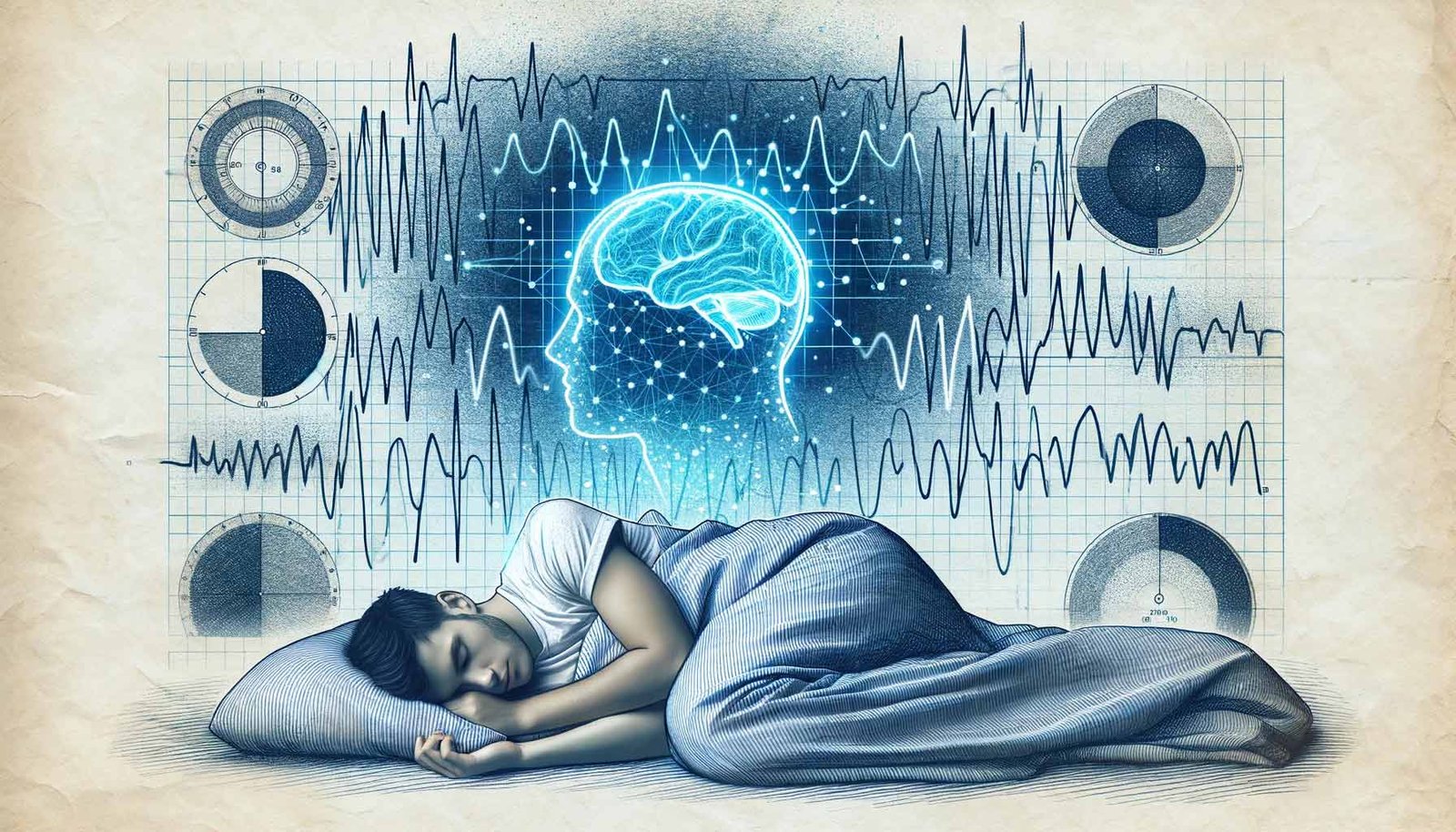
Sleep has always been seen as the body’s way of switching off and recharging, but new research suggests those quiet hours may be doing far more than we realise. Scientists have developed an advanced artificial intelligence system that can study brain activity from just one night of sleep and estimate a person’s risk of developing more than 100 different health conditions in the future. What was once considered downtime is now being viewed as a powerful window into long-term health.
The research draws on extensive sleep lab data, where detailed overnight tests record brain waves, breathing patterns, heart rate and oxygen levels. Traditionally, these tests help doctors diagnose problems like insomnia or sleep apnoea. This new AI, however, looks much deeper. It detects very subtle patterns in brain activity that are easy to miss but may signal early biological stress or decline. From this, the system builds a kind of personal sleep-based health profile that reflects how the brain and body are ageing and where potential weaknesses may lie.
What makes the findings especially compelling is the wide range of conditions the AI can flag. While links between sleep and brain disorders have been known for years, the model also picked up early risk signs related to heart disease, metabolic issues such as diabetes, and certain mental health challenges. By analysing how the brain moves through different sleep stages during the night, the technology creates a broad picture of overall health that goes beyond what standard medical check-ups usually reveal.
Experts believe this approach could reshape preventive healthcare. Many serious illnesses are only detected after noticeable symptoms appear, often when damage has already been done. If doctors can use one night of sleep data to spot early warning signs, people could be guided toward healthier habits or treatments much earlier in life. This shift could help individuals stay healthier for longer while also easing pressure on healthcare systems by reducing the need for costly late-stage treatments.
Researchers caution that the technology is still evolving. The AI does not provide definite diagnoses but highlights potential risks that need further assessment. More testing across different age groups and populations is also required. Even so, the idea of using sleep as a routine health screening tool marks a major step forward, transforming the simple act of sleeping into a source of insights that could one day help save lives.