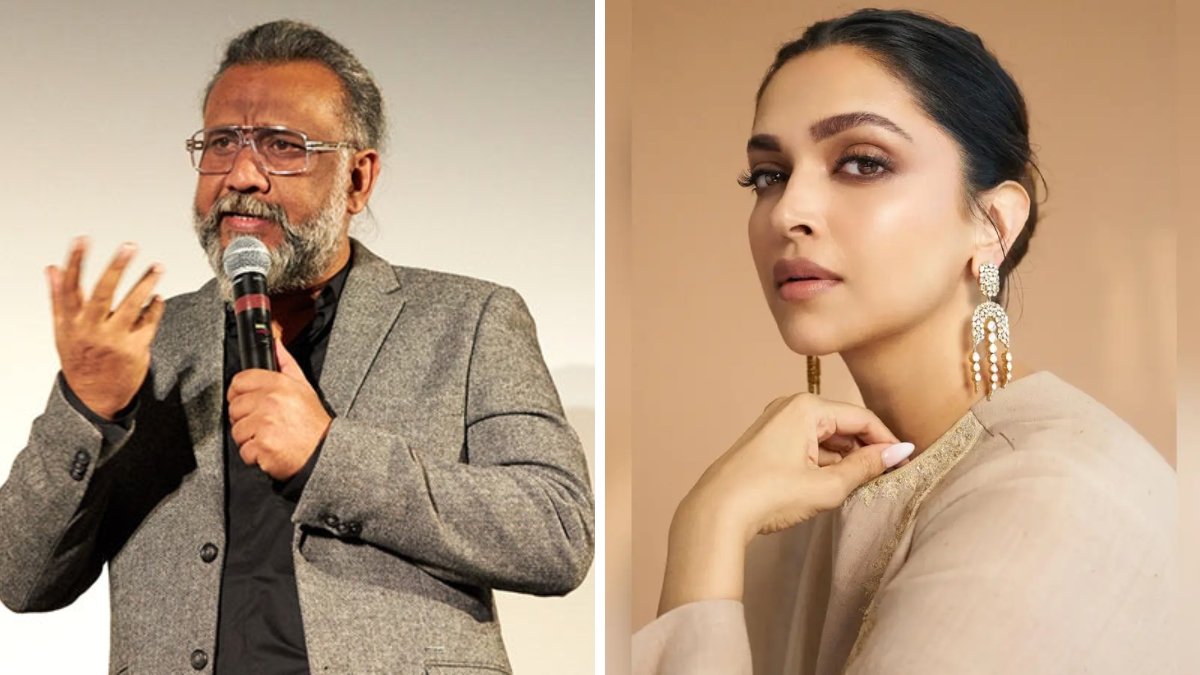
Filmmaker Anubhav Sinha has had enough of the noise. Weighing in on the controversy surrounding Deepika Padukone’s reported eight-hour workday request — the one that allegedly ended her association with Sandeep Reddy Vanga’s Spirit — Sinha made a case not for Deepika, and not against her. He made a case for common sense.
Anubhav Sinha’s Take: Keep It Between the Parties
Speaking with host Shubhankar Mishra, Anubhav Sinha cut through the debate with a straightforward position. If an actor wants to work six hours a day and a filmmaker is not comfortable with that, they simply should not work together. According to him, the solution does not require a public controversy.
He argued that professional disagreements in the film industry are no different from issues within a household. They should be settled between the concerned parties, not broadcast for public consumption. That framing, calm and firm, immediately separates his response from the noise that surrounded the original controversy.
The Rishi Kapoor Blueprint From Mulk
Sinha did not just speak in theory. He offered a real example from his 2018 courtroom drama Mulk, where the late Rishi Kapoor raised a scheduling concern after reading the script. Kapoor informed Sinha that he preferred not to shoot at night. Rather than making it a point of conflict, the two negotiated.
They agreed on a limited number of night shoots. That number went slightly higher during production, but both sides handled it amicably. Sinha recalled that working with Kapoor was a delight, and because he genuinely wanted Kapoor in the film, adjustments were never a problem. This story functions less as an anecdote and more as an industry template — one Bollywood rarely acknowledges formally.
What Actually Happened With Deepika and Spirit
The controversy Sinha referenced traces back to reports that Deepika Padukone exited Spirit, the high-budget pan-India project starring Prabhas and directed by Sandeep Reddy Vanga, reportedly over creative disagreements and a request for an eight-hour workday. Triptii Dimri subsequently stepped in to replace her, which reignited the debate around professional boundaries and actor demands in big-budget productions.
Sinha, however, said he does not engage with gossip and has not collaborated closely with Deepika. He added that everyone he spoke to who had worked with her described her as a delightful actress. Furthermore, he pointed out that Deepika’s physical presence on massive cinema screens means fatigue is visible — making rest a practical concern, not a controversial demand.
The Bigger Problem Bollywood Is Not Talking About
What makes Sinha’s comments worth examining beyond the headline is what they reveal about the industry’s structure. Bollywood still largely operates without standardised scheduling contracts or formal rider agreements of the kind common in Hollywood productions. Therefore, every time an actor requests defined work hours, it becomes a controversy instead of a contractual clause.
Sinha’s quiet point is that producers and directors always have the choice not to cast someone whose conditions do not suit their production. Consequently, there is no need to make a dispute public. As Deepika moves forward with upcoming projects alongside Shah Rukh Khan in King and Allu Arjun in an Atlee directorial, this debate will likely follow the industry into its next big-budget cycle. The question is not whether actors should have limits. The question is why Bollywood still does not have a system to handle that quietly.