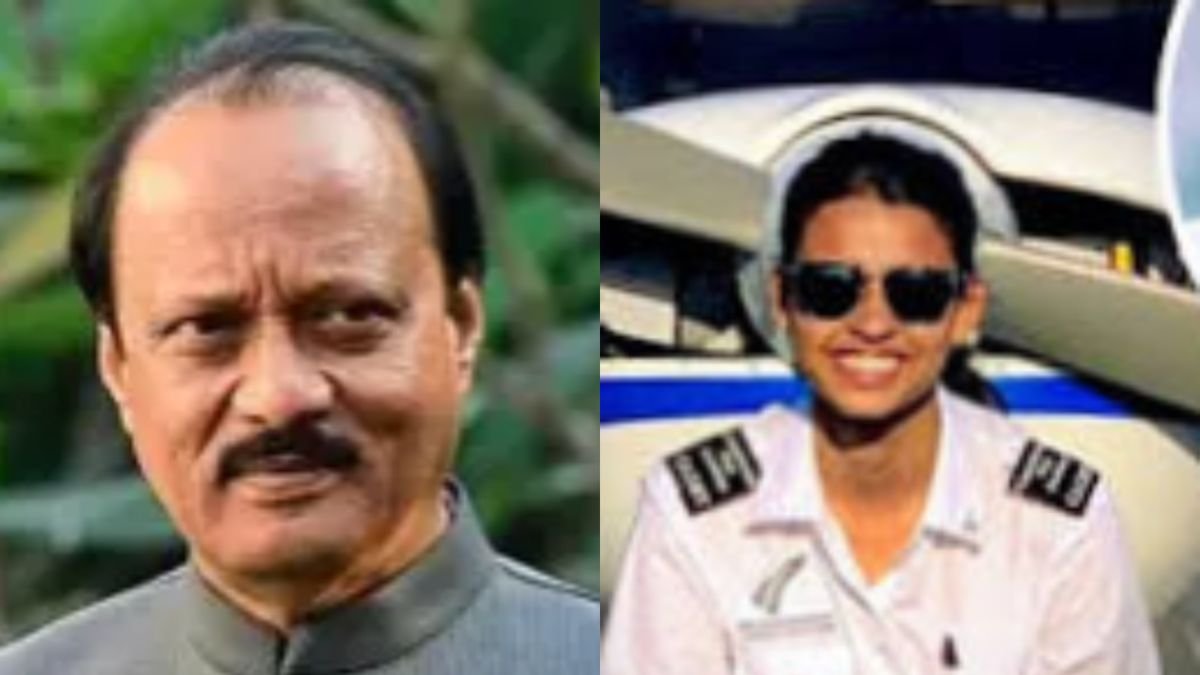
Amid the recent Ajit Pawar accident, a question that is much deeper than politics and headlines has started reverberating on social media and in conversations on the streets: Are we educated as a society? Nandish Singh Sandhu posed this uncomfortable yet necessary question when he spoke about the incident. This question has resonated, prompting many people to question the direction we are collectively heading in terms of morals.
Ajit Pawar’s accident was a fast-trending issue. Nevertheless, rather than the considered caring, sympathy, or moderation, significant portions of social response degenerated into derision, partisan scorekeeping, memes, and unthoughtful commentary. And it is this reaction rather than the accident itself that Nandish Singh Sandhu decided to bring into the limelight. His words did not target a particular person or part, but the attitude that human misery can be viewed as entertainment or a tool in ideological warfare.
The attack by Sandhu is sharp, questioning an established belief that education will produce empathy, civility, and responsibility. To him, there has been an increase in literacy and degrees and a decline in emotional intelligence and ethical maturity. An accident that has been turned into a joke or a hate reveals a rather disturbing difference between education and civilization.
Social media has enhanced this issue. The platforms that may encourage an informed discussion usually reward outrage, sarcasm, and cruelty with visibility and participation. Sandhu indicated that the rate of spread of insensitive reactions speaks volumes about what matters to us. A lot of these people jump to comment, seek attention, and dehumanize the parties involved instead of waiting until they have facts or showing general human concern. He suggests that the real tragedy lies not only in the incident but also in the loss of compassion in the social arena.
The tone Nandish Singh Sandhu takes in his statement resonates with people because it is not a defense or an attack on Ajit Pawar as a politician. It turns the camera inwards and challenges regular citizens to examine their reactions. Would we have the same response if it were not a famous person? Are we so used to it that we no longer have empathy based on whether a person shares our thoughts?
This is where Nandish Singh Sandhu says that it is time to wake up. Education is not only about knowledge or degrees; it is about values: how we handle crises, how we talk about others, and how we strike the right balance between credibility and free speech. The culture that laughs at misfortune or uses it as a weapon threatens to lose its moral compass, regardless of how sophisticated it becomes.
And finally, “Are we even educated?” is no accusation — it is an invitation. A call to think before publishing, to love humanity more than aggression, and to keep in mind that there is a human being behind every headline. As long as a few people start thinking twice after reading what Sandhu said, it might not be a pointless endeavor, since people need to be reminded that empathy is the real starting point of education