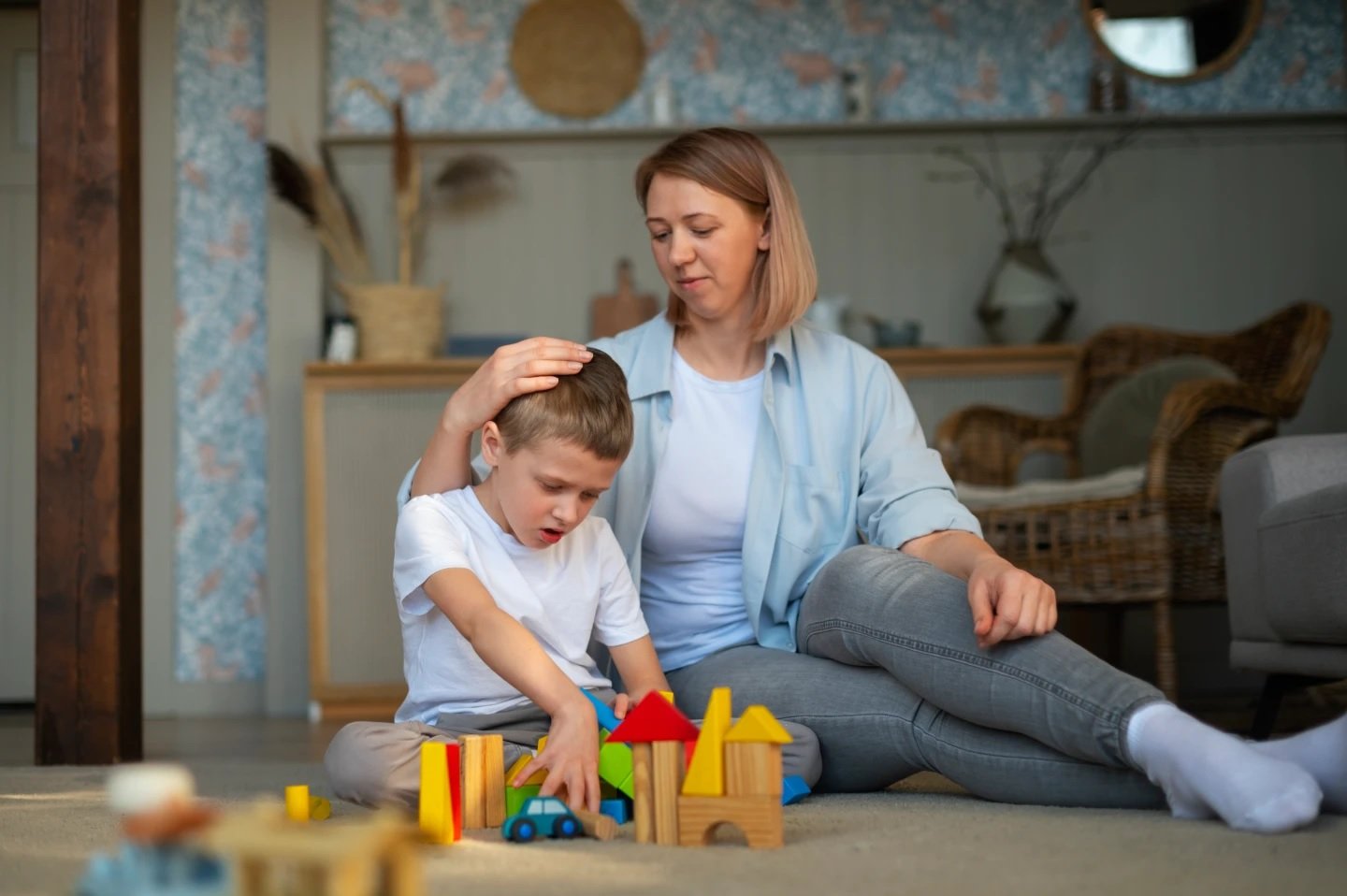
Many parents worry when their child behaves differently—whether it’s delayed speech, frequent tantrums, or unusual habits. The confusion often lies in understanding whether these are normal behavioural phases or signs of autism. While some behaviours may overlap, autism is a neurodevelopmental condition that affects communication, social interaction, and sensory processing. Recognizing the difference early can help parents take the right steps and ensure their child gets the support they truly need.
1. Look at Social Interaction:
Children with autism often struggle with social connection. They may avoid eye contact, not respond to their name, or prefer playing alone. In contrast, children with behavioural issues still seek interaction and enjoy social games like peek-a-boo or sharing excitement.
2. Observe Communication Skills:
Delayed speech, lack of gestures, or difficulty expressing needs are strong signs of autism. A child may not point or use simple words by expected ages. Behavioural conditions, however, usually don’t affect basic communication—children can express needs even during tantrums.
3. Notice Repetitive Behaviours:
Autistic children often show repetitive actions like hand-flapping, rocking, or lining up toys. These behaviours are consistent and meaningful to them. Behavioural issues may involve tantrums or defiance, but not repetitive patterns.
4. Check Response to Routine Changes:
Children with autism may become extremely upset by small changes in routine, like a different route or toy placement. Behavioural reactions are usually situation-based and temporary, such as reacting to being told “no.”
5. Watch for Sensory Sensitivities:
Covering ears at normal sounds, avoiding certain textures, or unusual reactions to light and touch are common in autism. Behavioural conditions rarely include strong sensory issues unless linked to other factors.
6. Identify Triggers and Patterns:
Behavioural problems like ADHD or oppositional behaviour are often triggered by hunger, fatigue, or environment and can improve with routine changes. Autism-related behaviours are more consistent and appear across different settings.
7. Track Developmental Milestones:
Autism signs can appear as early as 12–18 months, including lack of gestures or delayed speech. Behavioural conditions usually become noticeable later and don’t always affect early milestones.
If behaviours persist across environments and affect daily life, it’s important to seek professional evaluation. Early diagnosis and intervention—like speech or occupational therapy—can significantly improve outcomes and help children develop essential life skills.