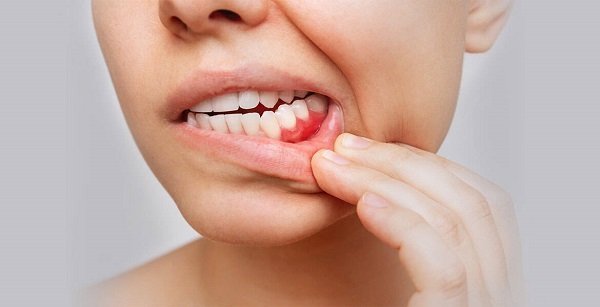
It usually starts with a tiny red stain in the sink after brushing your teeth. Most people shrug it off, blaming a hard brush or rushed routine, and move on with their day. But bleeding gums are not something to ignore. What seems like a small dental issue can quietly point to deeper problems that may affect not just your smile, but your overall health.
In the rush of daily life, oral care often slips down the priority list. Between work pressure, family responsibilities and constant stress, gum health rarely gets the attention it deserves. However, bleeding gums are often an early signal of gum disease. Conditions like gingivitis and, in more serious cases, periodontitis can develop slowly and painlessly. If left untreated, they may lead to tooth loss, long-term inflammation and other health complications.
One of the most common reasons gums bleed is poor oral hygiene. When brushing or flossing is irregular or ineffective, bacteria build up along the gum line. This sticky layer eventually hardens, irritating the gums and causing swelling and bleeding. Over time, this irritation can turn into gum disease.
In its early stage, gum disease shows up as red, swollen gums that bleed easily. If care is delayed, the infection can spread deeper, damaging the tissue and bone that support the teeth. At this point, professional treatment becomes necessary to prevent permanent damage.
Nutrition also plays a key role in gum health. Gums need proper nourishment to stay strong. A lack of certain vitamins can weaken gum tissue and make bleeding more frequent. Poor dietary habits, especially those low in fresh fruits and vegetables, can silently worsen the problem.
Hormonal changes are another overlooked factor. During pregnancy, menstruation or menopause, gums can become more sensitive and prone to bleeding. These changes, combined with nausea, altered eating habits or neglected oral care, can increase the risk of gum issues. Many women experience gum inflammation during pregnancy, and without attention, it can progress into more serious conditions.
Certain medications and health conditions can also increase gum bleeding. Drugs that affect blood clotting, along with illnesses like diabetes or blood disorders, may make gums bleed more easily even with gentle brushing.
The good news is that early care can make a big difference. Simple habits like rinsing with warm salt water can soothe irritated gums and reduce inflammation. Being consistent with gentle brushing, flossing daily and choosing oral care products that support gum health can help prevent further damage. Improving your diet and addressing nutritional gaps also strengthens gums over time.
Natural remedies are often used to calm gum irritation and fight bacteria, but they should support, not replace, proper dental care. If bleeding continues despite good habits, it’s important to consult a dental professional before the problem worsens.
Your gums quietly do the hard work of holding your teeth in place and protecting what lies beneath. Ignoring their warning signs allows minor issues to turn into serious problems. Paying attention now can save you pain, expense and long-term health trouble later. Sometimes, that little bit of blood is your body’s way of asking you to slow down and take better care.