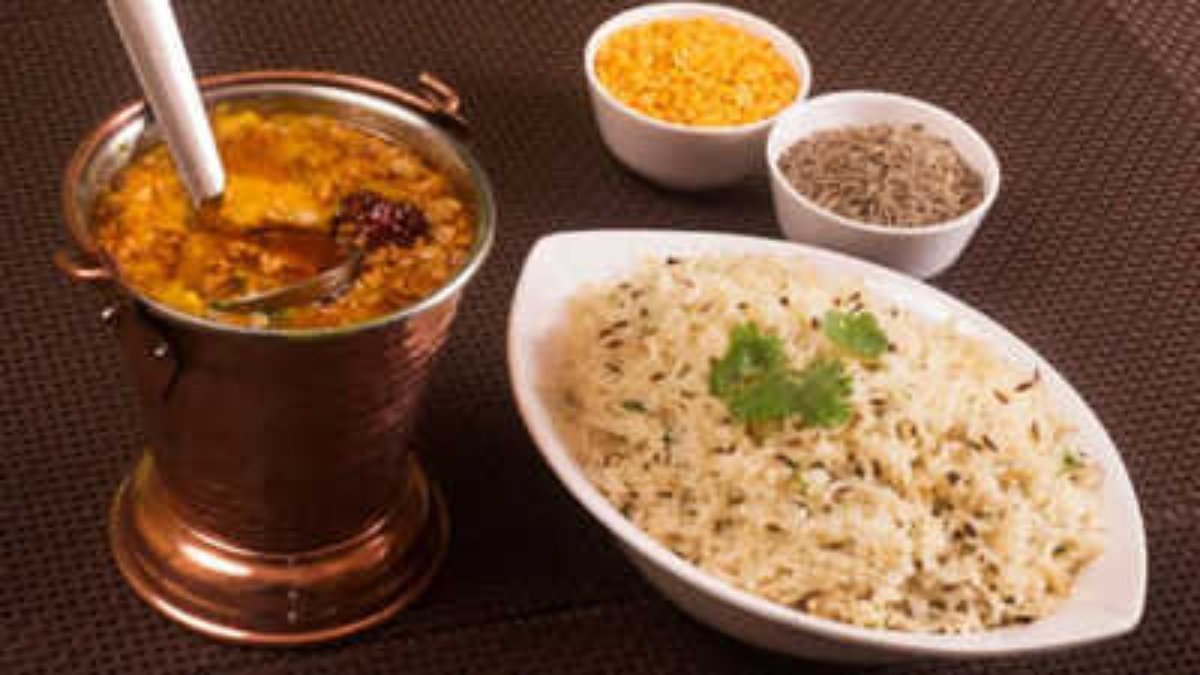
Dal chawal sits at the heart of nearly every Indian home kitchen. It feels wholesome, familiar, and filling. However, according to Siddhartha Singh — the celebrity fitness trainer credited with shaping Tamannaah Bhatia’s enviable physique — that comforting plate may be quietly working against your weight loss goals. The good news? You do not have to give it up entirely.
Why Dal Chawal Is Not the Healthy Meal You Think It Is
Taking to Instagram on March 23, Singh made a claim that is likely to make millions of Indian lunch tables pause. He stated plainly that the standard dal chawal combination is calorie-dense, low in protein, and almost completely lacking in fibre. That is a troubling macro profile for anyone on a fitness journey.
“Most of us eat dal chawal for lunch. Dal is considered to have a lot of protein. It does not have a lot of protein. Please let’s get over it already,” Singh said in the post.
The protein myth around dal runs deep in Indian food culture. Meanwhile, rice adds a significant calorie load with minimal nutritional complexity. Together, the combination creates a meal that fills the stomach briefly but fails to support muscle maintenance, sustained satiety, or fat loss.
The Real Problem Is Not Dal Chawal — It Is the Plate
Singh’s argument, notably, is not that dal chawal is the enemy. It is that the plate around it is broken. Most Indians eat dal chawal in isolation, with no additional protein source and no fibre to slow digestion or extend fullness. That gap is where weight loss stalls.
This is a wider pattern in traditional Indian eating habits. Many comfort meals are carbohydrate-forward and protein-light, built for caloric sustenance rather than macro balance. As fitness culture grows rapidly across urban and semi-urban India, that gap is becoming harder to ignore.
Furthermore, the portion sizes most people serve themselves at home make the problem worse. A generous mound of rice paired with a full bowl of dal can easily cross 600–700 calories in a single sitting — with less than 15 grams of protein to show for it.
Step 1: Cut the Quantity, Cut the Calories
Singh’s three-step fix is refreshingly practical. The first move is simply to reduce the quantity of both dal and chawal on the plate by approximately half. No exotic substitutes. No meal replacement shakes. Just less of what is already there.
Halving the portions immediately halves the calorie intake of the meal. However, eating less alone is not the answer — a smaller plate of dal chawal still leaves the macro imbalance intact. That is precisely why steps two and three matter just as much.
Step 2: Add 100 Grams of Paneer for Protein
The second step directly addresses the protein deficit. Singh recommends adding 100 grams of paneer to the plate — low-fat paneer, if available. This single addition dramatically shifts the nutritional profile of the meal.
“This is where protein comes in,” Singh stated. “We are going to add 100 grams of paneer. If it is low-fat paneer, it is even better.”
Paneer is one of the most accessible high-protein options in a vegetarian Indian kitchen. Additionally, it requires no elaborate preparation — it can be eaten fresh, lightly sautéed, or added raw to the plate. For non-vegetarians, the same logic applies with grilled chicken or boiled eggs as alternatives.
Step 3: Build In Fibre With Salad and Greek Yoghurt
The third and final step targets fibre — the nutrient most commonly missing from a standard Indian lunch. Singh recommends a simple bowl of home-cut salad: cucumber slices, tomatoes, and whatever vegetables are at hand. Nothing elaborate. Nothing that requires a trip to a specialty store.
Beyond the salad, Singh adds one final upgrade that elevates the meal considerably. “And if you want to make this a really amazingly balanced plate, add 200 grams of Greek yoghurt,” he said. “Good food, good taste, good benefits.”
Greek yoghurt contributes additional protein, supports gut health through probiotics, and extends satiety well beyond what dal chawal alone can manage. In fact, it is one of the most underused ingredients in Indian fitness nutrition despite being widely available.
What This Balanced Dal Chawal Plate Actually Delivers
The result of these three steps is a meal that retains everything emotionally satisfying about dal chawal while correcting its core nutritional shortcomings. Reduced carbohydrate load. Meaningful protein from paneer and yoghurt. Fibre from fresh salad. It is still home food — just a smarter version of it.
“This here is a balanced home-cooked meal which will keep you fuller for longer, away from your cravings, and will help you lose weight in the long run,” Singh concluded.
There is something quietly radical about that message. It does not ask Indians to abandon their food identity or replace rotis with quinoa. It asks them to think more carefully about what else is on the plate.
Singh’s approach signals a broader shift in how fitness advice is reaching Indian audiences — through cultural familiarity rather than against it. As more trainers speak the language of dal and paneer instead of macros and meal preps, that conversation is only going to get louder.
Note to readers: This article is for informational purposes only and is not a substitute for professional medical advice. Always consult your doctor or a qualified nutritionist before making significant changes to your diet.