India’s cities often carry nicknames that hint at their past, but few are as intriguing as the one known as the City of Seven Islands. At first glance, it sounds like a poetic exaggeration. In reality, it is a reminder of how geography, history and human ambition came together to create one of the world’s most dynamic urban spaces.
Long ago, this city did not exist as a single stretch of land. Instead, it was made up of seven small islands separated by creeks and shallow waters. These islands stood on their own, shaped by tides and the Arabian Sea, and life moved at a slower pace. Fishing communities were among the earliest settlers, relying on the sea for survival. Their presence gave the islands a rhythm of daily life that was closely tied to nature, and traces of these early traditions can still be found in certain neighbourhoods today.
The natural harbours surrounding the islands soon caught the attention of traders sailing across the sea. Over time, foreign powers recognised the strategic value of this location. European settlers arrived, bringing with them new architecture, religion and systems of trade. Their influence added fresh layers to the islands, blending with existing customs and reshaping the landscape in lasting ways.
A turning point came when the islands began to be joined together. Through large-scale land reclamation, waterways were filled in and bridges and causeways were built. What was once scattered land slowly turned into a single, connected city. This transformation was not easy. It took decades of planning, labour and engineering, but it laid the foundation for rapid urban growth.
As the land expanded, so did opportunity. The city emerged as a major trading port, drawing merchants, workers and dreamers from different parts of India. With them came languages, food, beliefs and traditions, all mixing together to form a unique cultural identity. The former islands became neighbourhoods, each with its own character, yet tied together by a shared future.
Over the years, the city grew into a symbol of ambition. Its streets became crowded, its skyline rose higher, and its pace became famously relentless. Beneath the tall buildings and busy trains, however, lies the memory of those seven islands that shaped its spirit. Old churches stand near modern offices, traditional markets exist alongside luxury towers, and festivals from across the country are celebrated with equal enthusiasm.
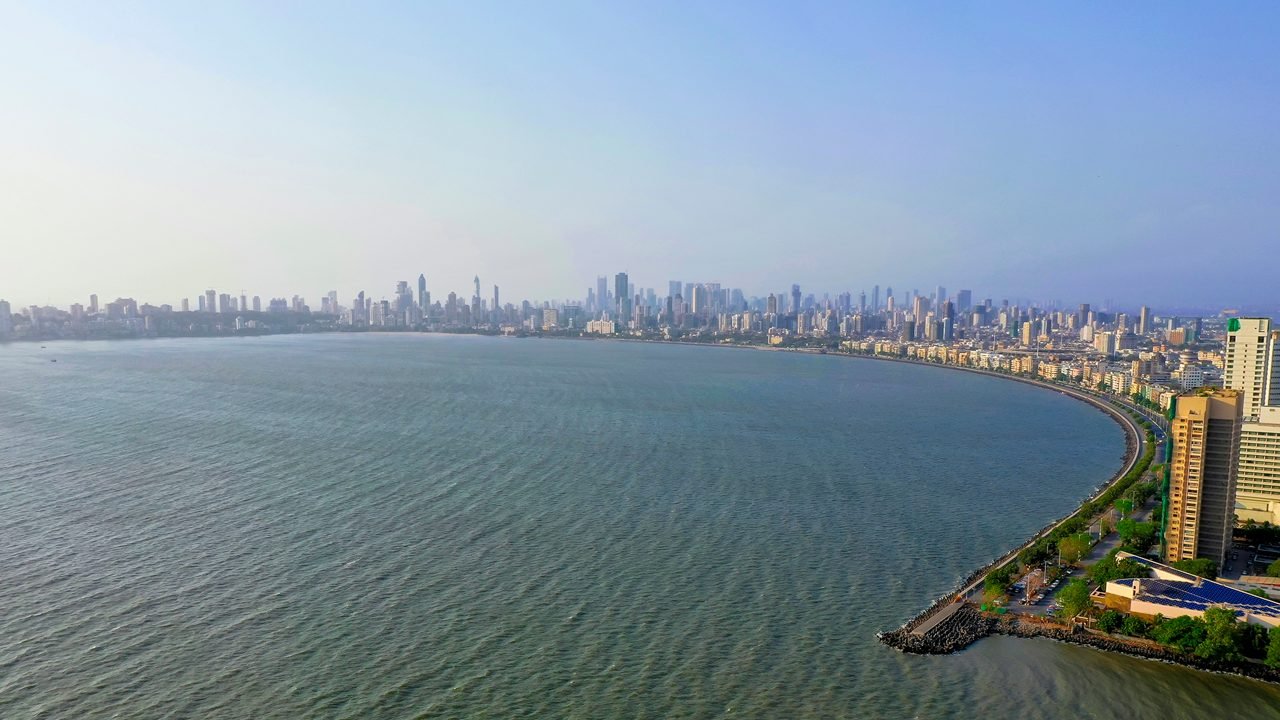
Today, the city is known as India’s financial and entertainment capital, with global influence in business, cinema and culture. It is a place where millions arrive with hope, often unaware that the ground beneath their feet was once divided by the sea.
That city is Mumbai. What began as seven separate islands has become one of the world’s great metropolises. Mumbai’s journey from scattered landmasses to a united, thriving city is a powerful reminder of how history and human effort can transform geography into destiny.