Wellness trends often come and go. But sometimes, an old habit returns with a new name and this time, it’s backed by science. The latest buzzword on social media is the “fart walk.” While the name may sound funny, the idea behind it is simple and serious: taking a short, gentle walk after meals can do wonders for your digestion and overall health.
Medical experts say this isn’t about intense workouts or burning calories. It’s about light movement. A slow stroll after eating helps your body digest food more efficiently and reduces common discomforts like bloating, heaviness and gas.
After a meal, your digestive system begins breaking down food. Gentle walking stimulates gut motility — the natural muscle movements that push food, fluids and gas through your intestines. Experts explain that this light activity encourages smoother digestion and helps relieve that uncomfortable “too full” feeling. It also improves blood flow to the digestive organs, allowing enzymes to work better and speeding up the process.
But the benefits don’t stop at digestion.
A short walk after eating also helps control blood sugar levels. When you move, the large muscles in your legs use glucose for energy. This improves insulin sensitivity and reduces the spike in blood sugar that often follows meals. According to medical experts, even 10 minutes of walking after eating can lead to better blood sugar control compared to sitting still.
This habit can be especially helpful for people with prediabetes, diabetes or metabolic syndrome. In today’s urban lifestyle, filled with long hours of sitting and screen time, such a small routine can make a big difference.
Regular post-meal walks may also support weight management by slightly boosting metabolism. Experts add that better circulation from walking can reduce inflammation, improve heart health, lower stress, lift mood and even promote better sleep. There is also a strong connection between gut and heart health, meaning this simple habit benefits multiple systems in the body at once.
However, experts stress one important rule: keep it gentle. This is not meant to be a brisk walk or a workout session. Intense exercise immediately after eating can divert blood away from the digestive system and cause discomfort.
Instead, they recommend:
1. Walking for 10–20 minutes
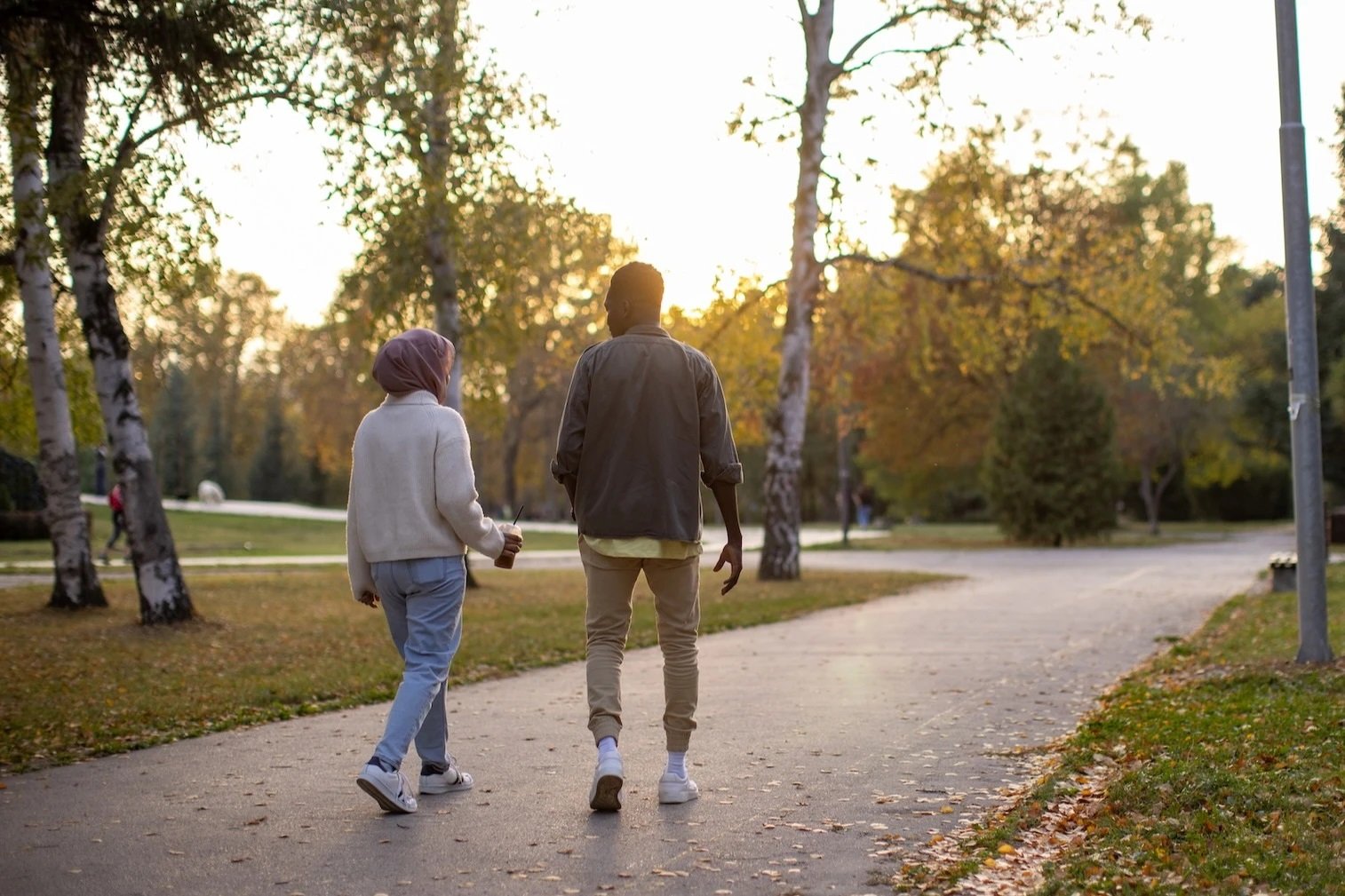
2. Keeping a relaxed, conversational pace
3. Starting about 15–30 minutes after a meal
4. Doing it at least once daily, ideally after dinner
5. Consistency matters more than speed or distance.
The best part? It costs nothing and fits into almost any routine. No equipment. No gym membership. Just a few extra steps after you eat.
Sometimes, the simplest habits bring the biggest benefits. So the next time you finish a meal, don’t head straight to the couch or bed take a gentle stroll instead. Your gut (and your blood sugar) will thank you.