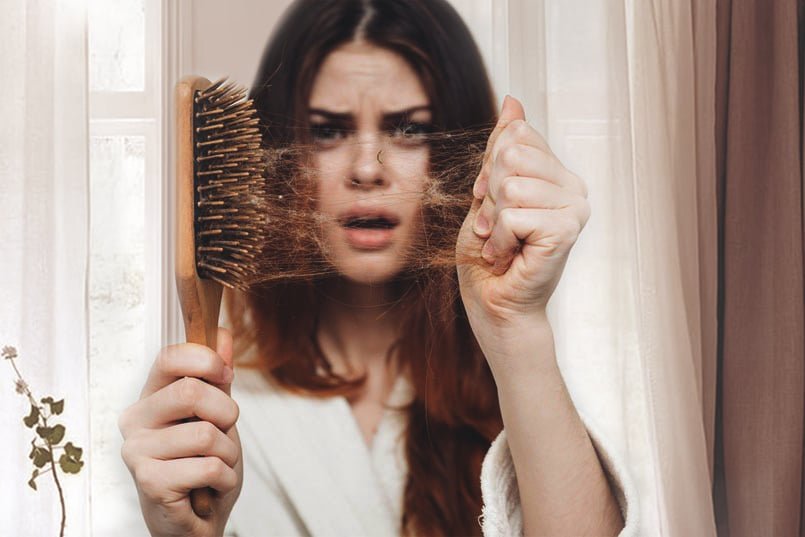
It often starts quietly. You notice more strands on your pillow. Your ponytail feels thinner. The parting on your scalp looks slightly wider than before. For many women, hair thinning becomes noticeable after the age of 30 and while it can feel alarming, medical experts say it’s very common.
According to medical experts, a woman’s body goes through several natural changes in her 30s. Hormones begin to shift, metabolism slows slightly, stress levels often increase, and nutritional needs change. All of these factors directly affect hair health.
One of the first things experts recommend checking is iron levels. Iron deficiency is extremely common in women and is a major cause of excessive hair shedding. When the body lacks iron, less oxygen reaches the hair roots. This weakens strands and pushes hair into the shedding phase. Other signs may include fatigue, pale skin, dizziness, or shortness of breath.
Protein intake is another key factor. Hair is primarily made of protein, yet many women don’t consume enough, especially those who skip meals or follow restrictive diets. When protein is insufficient, the body prioritizes essential organs over hair growth, leading to thinning.
Hormonal changes also play a big role after 30. Irregular periods, sudden weight changes, acne, or unusual hair growth patterns can signal imbalances that may impact the scalp. Thyroid issues are another common trigger and can cause persistent hair fall if left untreated.
Stress is often overlooked but highly influential. Long work hours, emotional strain, lack of sleep, and constant mental pressure can push hair follicles into a resting stage. Hair shedding often appears two to three months after a stressful period, making it harder to link the two.
The good news? Simple daily habits can make a noticeable difference.
Medical experts suggest eating enough protein from foods like eggs, lentils, dairy, nuts, and seeds. Iron-rich foods and leafy vegetables should be part of regular meals. Staying hydrated also supports stronger strands.
Basic blood tests to check iron, vitamin levels, and thyroid function can help identify hidden causes. Improving sleep is equally important, as hair repair happens during deep rest.
Being gentle with hair, avoiding tight hairstyles, excessive heat, and harsh treatments, also protects hair health. Regular scalp massage and stress management practices like walking, stretching, or breathing exercises can further support growth.
Hair fall after 30 isn’t just cosmetic. It’s often your body’s way of asking for better care and with steady attention, healthier hair can return naturally.