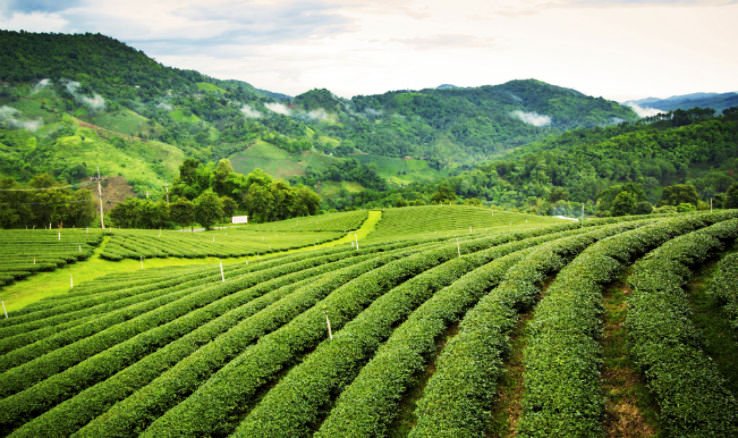
The first sip of a strong cup of tea has a way of slowing life down. For many tea lovers, that comforting taste unknowingly begins its journey in Assam, a place where tea is not just grown but lived, breathed, and celebrated every single day.
Often called the Tea Garden of India, Assam produces more than half of the country’s tea, making it one of the most important tea regions in the world. But beyond the numbers, Assam’s connection to tea runs deep. It all began in the early 19th century, when tea plants were found growing naturally in the region. What followed was a transformation that shaped the state’s economy, culture, and identity for generations to come. Today, hundreds of tea estates stretch across the lush valleys fed by the Brahmaputra and Barak rivers, creating a landscape that feels almost unreal in its beauty.
Assam tea is known for its bold character. Its deep colour, strong body, and malty flavour come from the region’s humid weather, heavy rainfall, and fertile soil. These natural conditions give the tea its unmistakable strength, which is why it is often used in popular breakfast blends enjoyed in homes across India and around the world. Whether it’s a simple daily brew or a carefully crafted premium tea, Assam plays a major role in shaping how the world drinks tea.
In Assam, tea is not just an industry; it’s a way of life. Entire communities have grown around tea gardens, many of which are over a hundred years old. Life here moves with the rhythm of the plucking seasons. One of the most iconic sights is that of women tea pluckers carefully selecting fresh leaves, a skill passed down through generations. Their work forms the backbone of the tea-making process and keeps traditions alive.
The tea estates themselves feel like small worlds of their own. Old bungalows, factories, schools, and hospitals tell stories of a layered past, blending colonial history with local culture. Over time, these spaces have shaped unique traditions, music, food, and festivals that add colour and character to Assam’s tea-growing regions.
Assam’s tea comes from several areas across the state, each contributing its own subtle qualities to the brew. Together, they make Assam the undisputed leader of India’s tea industry. The tea’s uniqueness is protected with special recognition that highlights its authenticity and origin. Its strong flavour has earned it a place in famous global blends, and international auctions regularly showcase Assam teas among the finest in the world.
For travellers, Assam’s tea gardens offer more than just scenic views. Visiting a tea estate feels like stepping into a slower, gentler world. Many historic bungalows have been turned into charming places to stay, where mornings begin with misty views and birdsong. Visitors can walk through endless green fields, learn how tea is processed, and spend time with people who have grown up around the gardens.
Places like Jorhat, often known as the gateway to Assam’s tea country, make it easy to explore the region. Tea trails can be paired with river cruises, wildlife experiences, or cultural visits to nearby towns and villages. Tea tastings, plantation picnics, and local festivals add warmth to the journey, making it as enriching as it is relaxing.
Assam’s reputation as the Tea Garden of India goes far beyond production figures. Tea here shapes everyday life, livelihoods, and landscapes. From the first energising cup of the day to peaceful stays in historic estates, Assam offers something rare — the chance to experience tea at its source. For those who love tea or simply seek calm, green spaces that soothe the soul, Assam leaves a lasting impression long after the last sip.