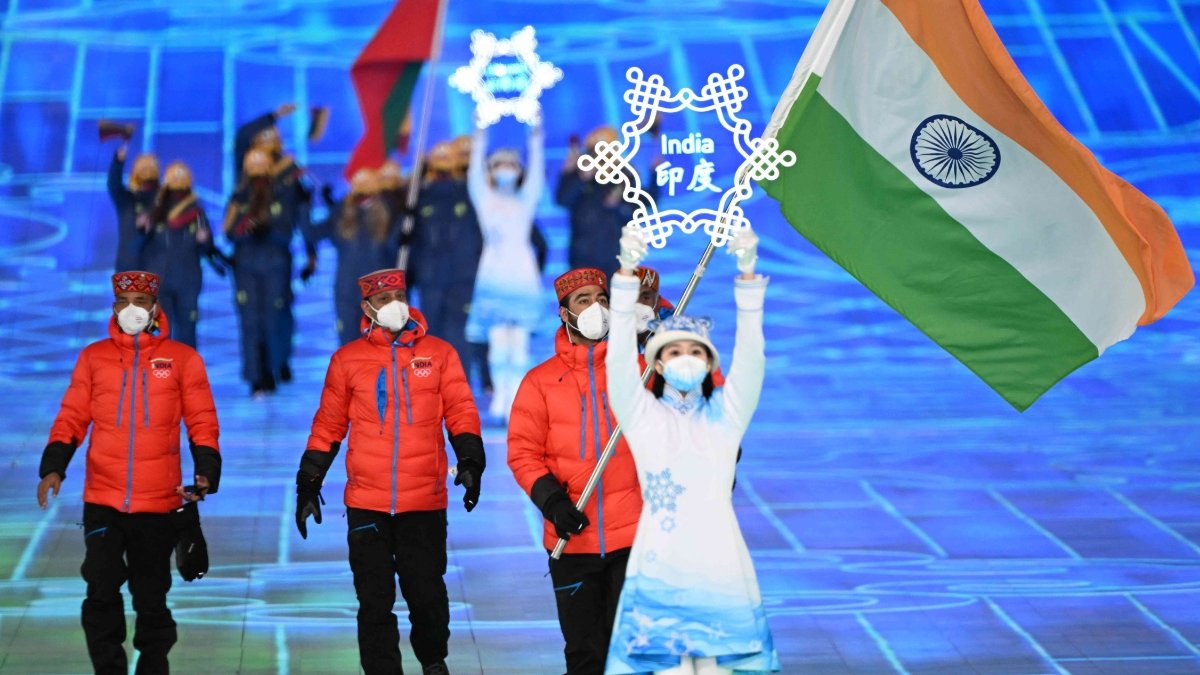
India, a subtropical country with barely any winter sports culture, has seven Winter Olympics gold medallists. Sounds impossible? It’s true—and it’s a story that has completely disappeared from our collective memory.
With just two athletes representing India at the Milano Cortina 2026 Winter Games, discovering that seven Indians once stood atop the Olympic podium feels like stumbling upon a parallel universe. But this isn’t fiction. It’s a forgotten chapter of Indian sports history that deserves to be told.
The 1922 Mount Everest Expedition That Changed History
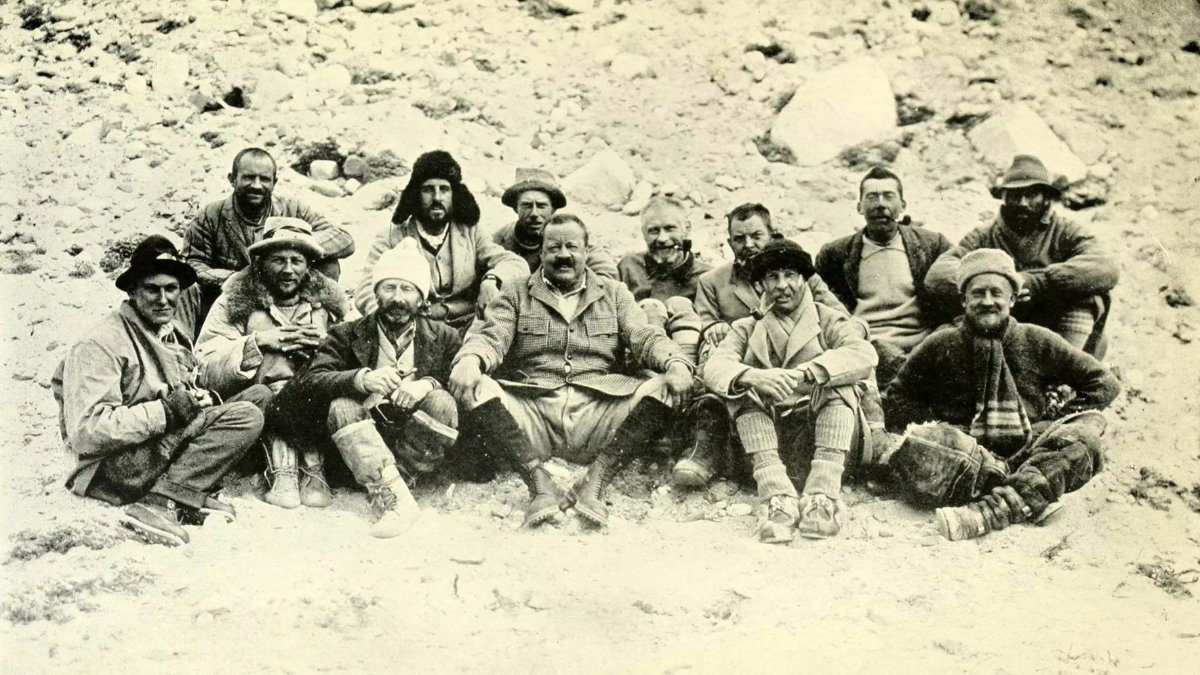
In 1922, a British expedition set out to achieve the impossible—scale Mount Everest. No one had done it before. The 21-member team attempted the climb from the northern Tibetan side, carrying bottled oxygen for the first time in mountaineering history. Nepal hadn’t yet opened its southern routes to Western climbers.
The team made three courageous attempts. They reached 7,620 meters on their first try. The second attempt shattered records, touching 8,225 meters—the highest any human had climbed at that point.
Then tragedy struck.
Seven Lives Lost to an Avalanche
The third attempt ended in disaster. An avalanche claimed seven lives—the first recorded deaths on Mount Everest. These weren’t just statistics. They were people with names, families, and dreams.
Narbu Sherpa, Lhakpa Sherpa, Pasang Sherpa, Pembra Sherpa, Antarge Sherpa, Temba Sherpa, and Sange Sherpa gave their lives pushing human boundaries. These seven Indian sherpas became heroes the world would soon forget.
An Unexpected Olympic Honor
News of the expedition spread across the globe. George Mallory, who led the fatal third attempt, and Australian climber George Finch toured England, sharing their stories and raising funds for another expedition planned for 1924.
That’s when Baron Pierre de Coubertin—the father of modern Olympics and co-founder of the International Olympic Committee—sent Mallory an unexpected telegraph. He wanted the expedition team at the closing ceremony of the 1924 Winter Olympics.
Mallory, busy preparing for his next Everest attempt, politely declined.
Gold Medals Awarded in Absence
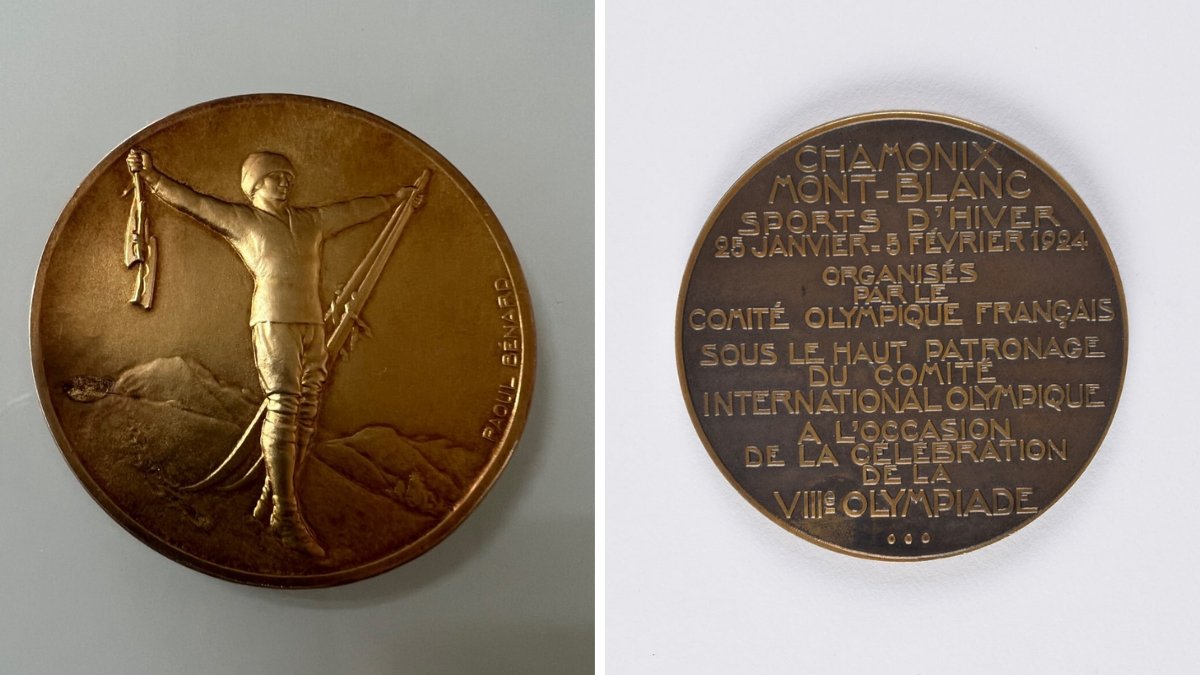
Coubertin went ahead anyway. In February 1924, during the closing ceremony of what’s now recognized as the first Winter Olympics, he awarded gold medals for “alpinism” to every member of the 1922 expedition—including the seven Indian sherpas who had died.
“For the first time a gold medal is awarded for alpinism, and it is awarded to the glorious expedition to Mount Everest,” Coubertin declared. “At the foot of the highest mountain in Europe, we present you and your wonderful companions with this small testimony of the admiration with which all nations have followed your journey.”
Edward Strutt, the expedition’s deputy leader, accepted the medals on behalf of the team. He made a solemn promise—to carry these medals to the summit of Mount Everest.
Mallory’s Final Journey
Four months later, George Mallory disappeared during his 1924 expedition. His body wouldn’t be discovered until 1999—75 years later. To this day, nobody knows if Mallory reached the summit before he died.
The distinction of being the first to scale Mount Everest officially belongs to Sir Edmund Hillary and Nepali-Indian sherpa Tenzing Norgay, who achieved the feat in 1953. Strutt never fulfilled his pledge before his death in 1948—just months after India gained independence.
A Promise Fulfilled 90 Years Later
In May 2012, British mountaineer Kenton Cool finally completed Strutt’s promise. He carried one of the 1924 Olympic gold medals to the Everest summit—the medal belonging to expedition doctor Arthur Wakefield. Cool spent 30 minutes at the top during his tenth successful Everest climb.
According to International Olympic Committee rules, the medal is recognized under “Mixed Team” rather than any specific country, since the expedition had multiple nationalities.
The Forgotten Heroes
It remains unknown whether the families of the seven Indian sherpas ever received their Olympic gold medals. Their sacrifice, their courage, and their place in Winter Olympics history have been erased from India’s sports narrative.
As India sends two athletes to Milano Cortina 2026, perhaps it’s time to remember that seven Indians already earned Winter Olympics gold—not on ice rinks or ski slopes, but on the treacherous slopes of the world’s highest mountain.
Narbu, Lhakpa, Pasang, Pembra, Antarge, Temba, and Sange deserve more than historical footnotes. They deserve to be celebrated as India’s first Winter Olympic champions.