In today’s fast-moving world, staying busy is often celebrated, but rest is quietly disappearing. Across India, sleep is becoming one of the most neglected parts of a healthy lifestyle. Long work hours, constant digital connection, and the pressure to stay productive are pushing people to cut back on rest without realizing the damage. Medical experts now warn that poor sleep is no longer just a personal habit issue, it is turning into a serious public health concern.
The problem starts early.
Children, who need more sleep than adults for healthy growth and brain development, are increasingly missing out on proper rest. Health specialists say good sleep helps children think clearly, build strong immunity, and stay emotionally balanced. In simple terms, sleep fuels both their bodies and minds.
However, global estimates suggest that a large percentage of children do not get enough sleep, and experts say the trend is becoming more visible in urban India. Too much screen time, late-night device use, inconsistent routines, and stimulating home environments are disturbing natural sleep patterns.
Medical experts believe modern habits are the biggest reason. Using phones or tablets before bedtime, sleeping at irregular hours, and not having a calm sleep environment make it harder for children to fall and stay asleep. To improve sleep quality, specialists recommend simple steps, maintaining a fixed bedtime routine, keeping bedrooms dark and quiet, removing screens from sleeping areas, and avoiding digital devices at least an hour before bed.
Parents are also advised to watch for warning signs such as loud snoring, frequent tossing and turning, or disturbed sleep, as these may point to underlying medical issues.
But sleep problems are not limited to children.
Adults across the country are also struggling as work pressure and lifestyle changes continue to disrupt rest. Health professionals say sleep is now one of the most ignored pillars of well-being.
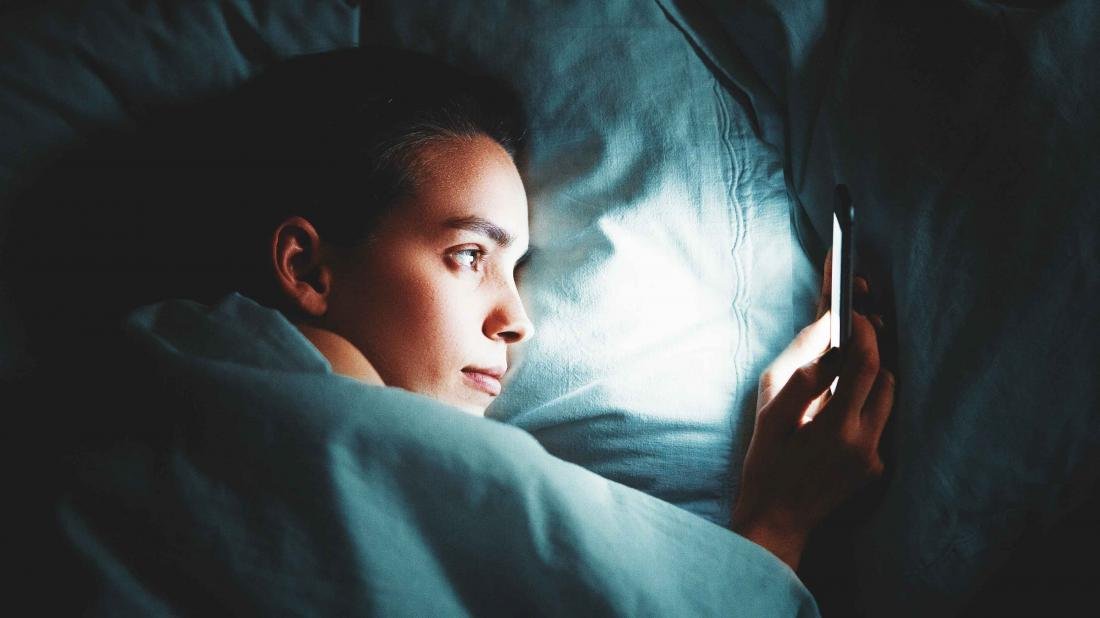
Stress, long office hours, and heavy screen use are leading to widespread sleep troubles. Many people work late, scroll through phones in bed, and follow irregular schedules because of professional and social demands.
One major culprit is blue light from digital screens, which interferes with melatonin, the hormone that controls the body’s natural sleep cycle. When melatonin production drops, falling asleep becomes more difficult.
Stress and anxiety make things worse. Add late-night meals and unpredictable routines, and the body finds it even harder to relax into proper sleep.
The effects go far beyond feeling tired the next morning.
Long-term sleep deprivation has been linked to serious health conditions such as high blood pressure, heart disease, diabetes, obesity, and weakened immunity. Mental health also suffers, with higher risks of anxiety, depression, and emotional burnout. Poor sleep can reduce focus and decision-making ability, increasing the chances of mistakes and accidents in daily life.
Because of these growing risks, medical experts are urging people to treat sleep as an essential health need, not an optional luxury.
Sleep is a biological necessity. And unless individuals, families, and workplaces begin to value rest as much as productivity, India’s quiet sleep crisis could soon become one of its biggest hidden health challenges.