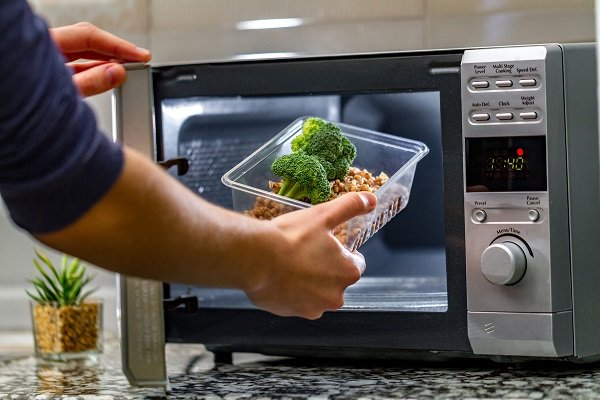
It’s a scene played out in millions of homes every day. A busy morning, leftover food, a plastic container straight into the microwave. It feels harmless, efficient, and almost automatic. But as conversations around microplastics and chemical exposure grow louder, medical experts are urging people to pause and rethink this everyday habit.
Health professionals say microwaving food in plastic is not an instant health disaster. You won’t fall sick after doing it once or twice. The concern lies in repetition. When plastic is heated again and again over months and years, tiny plastic particles and chemicals can slowly make their way into food without being seen, tasted, or smelled.
Medical experts explain that high microwave temperatures can weaken plastic containers. As they heat up, the structure of the plastic may break down slightly, allowing microscopic fragments to mix with food. Some plastics can also release chemicals, especially when heating oily, spicy, or acidic dishes. These substances are being closely studied for their long-term effects on the body.
The real worry, doctors say, is not immediate damage but gradual exposure. Small amounts consumed repeatedly may build up over time. Researchers are exploring links between long-term plastic exposure and issues such as inflammation, hormonal imbalance, and metabolic stress. These changes happen slowly, making them easy to ignore but difficult to reverse.
Many people rely on containers labelled “microwave-safe,” believing they offer complete protection. Medical experts caution that these labels can be misleading. Microwave-safe usually means the container won’t melt or lose shape, not that it won’t release any chemicals. With repeated heating, especially if the container is old, scratched, or cracked, the risk of leakage increases.
Another major concern highlighted by health professionals is hormone disruption. Certain chemicals found in plastics can interfere with the body’s natural hormones. Over time, this interference has been associated with problems related to fertility, thyroid health, metabolism, and even early hormonal changes in children. These effects don’t appear suddenly, which is why they often go unnoticed until much later.
The good news is that reducing risk doesn’t require drastic changes. Medical experts suggest simple swaps that fit easily into daily life. Using glass or ceramic containers for reheating, avoiding single-use takeaway boxes, and replacing damaged plastic containers can significantly lower exposure. Covering food with microwave-safe lids or paper towels instead of plastic wrap also helps.
Microwaving plastic is not a dramatic one-time danger, but it isn’t completely harmless either. Health experts agree that small choices made every day add up over time. Choosing safer materials like glass or ceramic is an easy step toward protecting long-term health. When it comes to prevention, the simplest habits often make the biggest difference.