Spring in Japan is usually all about cherry blossoms, calm walks, and postcard views. But this year, one of the country’s most photographed sakura events has hit pause. Japanese authorities have announced the cancellation of the Mount Fuji cherry blossom festival, citing serious concerns that go far beyond crowded photo spots.
Officials explained that the decision was driven by growing problems linked to overtourism. Traffic jams, hygiene issues, and repeated disturbances to local residents had become routine during the festival period. With tourist numbers rising far beyond what the town can handle, the municipal government decided that continuing the event was no longer sustainable.
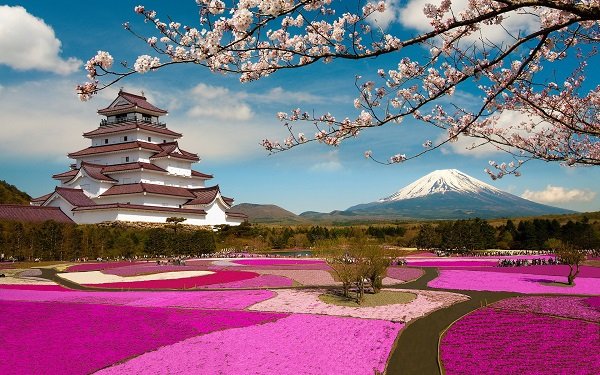
The surge in visitors has been fueled by a weak yen and the viral popularity of Mount Fuji images on social media. During peak cherry blossom season, more than 10,000 people reportedly arrive each day, all hoping to capture the iconic view of snow-covered Mount Fuji framed by pink blossoms and the Chureito Pagoda. While the images look peaceful online, the reality on the ground has been far from it.
City officials say the massive crowds have brought with them a wave of unwanted behaviour. Residents have reported tourists littering on private property, entering homes to use toilets, and even damaging gardens. In some cases, confrontations between locals and visitors have caused further disruption, adding to the strain on daily life.
Safety has also become a major concern. Heavy foot traffic near schools has made pavements unsafe, with some children reportedly being pushed into the road during busy hours. Parents have raised alarms, urging authorities to put the well-being of residents first.
After listening to local feedback, the city government chose to prioritise community welfare over tourism promotion. Officials said residents increasingly questioned whether hosting the cherry blossom festival was worth the stress it caused, leading to the decision to cancel it altogether.
The festival’s name will be removed from official tourism platforms, signaling a clear shift in approach. However, authorities acknowledge that visitors will still come during cherry blossom season. To manage the crowds, the city plans to introduce safety measures such as security personnel and portable toilets to reduce disruption.
The move reflects a growing challenge faced by popular destinations worldwide: balancing tourism appeal with the everyday lives of the people who call these places home.