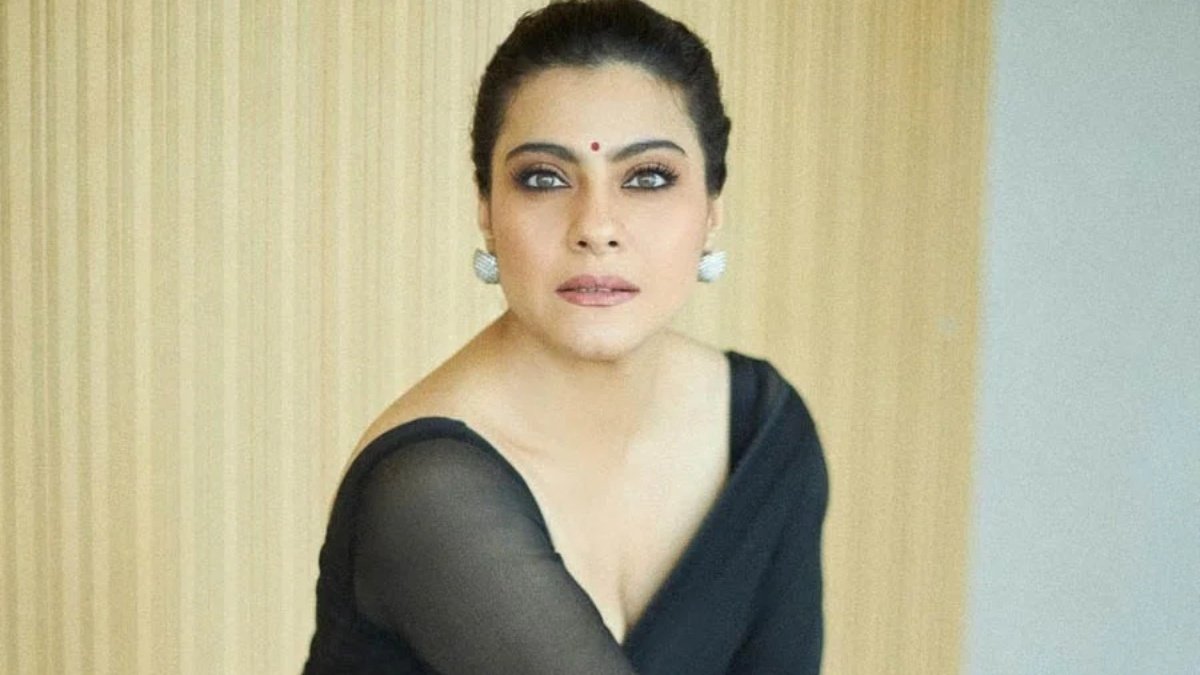
Kajol has won an interim order from the Delhi High Court. The order protects her name, image, voice, and likeness from being used without her permission. It also covers artificial intelligence and deepfake technology — explicitly. Justice Jyoti Singh signed the order, and it takes immediate effect.
So no one can create a fake video of her. No one can sell merchandise bearing her face. No one can generate AI content using her identity — not without her consent. The court also directed that obscene or inappropriate content using her likeness must be removed from online platforms.
This is a significant order. But here is what makes it even more important: Kajol is not the first. She is not even close to the first.
The List That Tells a Bigger Story
In recent months, a long list of Indian celebrities has approached the courts with similar pleas. Amitabh Bachchan, Jaya Bachchan, Abhishek Bachchan, and Aishwarya Rai Bachchan have all filed petitions. So have Hrithik Roshan, Salman Khan, Karan Johar, Vivek Oberoi, Rishab Shetty, and Akkineni Nagarjuna.
Moreover, the Bombay High Court has already passed comparable orders for several of these stars, including multiple members of the Bachchan family. The Delhi High Court is now doing the same.
So why are so many celebrities rushing to court at the same time? The answer is generative AI. Because of AI tools, anyone can now take a publicly available photograph and produce a convincing fake video. They can fabricate endorsements. They can create morphed images and spread them widely. As a result, the threat has shifted from a legal inconvenience to a genuine financial and reputational risk.
Most portals will frame this as “Kajol joins the list.” But the real story is why the list exists at all — and why courts are writing the rules that Parliament has not.
India Has No Personality Rights Law. So Courts Are Writing One.
Here is the detail that most entertainment coverage misses entirely. India does not have a standalone personality rights statute. There is no single law that says: a person owns their name, face, and voice. Not one.
Therefore, every order that comes out of the Delhi or Bombay High Court is judge-made law. Judges are drawing from a patchwork of existing legislation — sections of the Copyright Act, provisions of the IT Act, and the constitutional right to privacy confirmed by the Supreme Court in its landmark 2017 Puttaswamy judgment.
In other words, Parliament has not acted on this issue. So the courts are acting instead. Each new order — including Kajol’s — adds one more brick to an emerging wall of judicial precedent. That precedent will either force Parliament to legislate, or it will itself become the standard. Either way, these celebrity cases are not just about celebrities.
What Do Personality Rights Actually Mean?
Personality rights protect the things that are uniquely tied to a person. That includes their name, face, voice, signature, and even a trademark catchphrase. In short, these rights say that you — and only you — control how your identity is used commercially.
They split into two parts. First, the Right of Publicity protects against commercial exploitation without consent. For example, a brand cannot use a celebrity’s face in an advertisement without a contract. A seller cannot put their image on merchandise without permission.
Second, the Right to Privacy protects personal dignity. This part covers deepfakes, morphed images, and fabricated endorsements that damage someone’s reputation. Kajol’s order covers both parts. That dual protection is not accidental — it shows that the court understands identity misuse in the digital age is both a financial crime and a personal one.
One Singer’s Case Reveals a Troubling Legal Gap
Meanwhile, singer Jubin Nautiyal has filed a separate plea in the Delhi High Court. He too is seeking personality rights protection. However, his case has hit an unexpected problem.
The court questioned why Nautiyal — a native of Uttarakhand — had approached Delhi’s court instead of a local court in his home state. His legal team had a direct answer: because the Ministry of Electronics and Information Technology (MeitY) and the Department of Telecommunications (DoT) are both headquartered in Delhi. These are the key authorities for digital and online content regulation. No order has been issued in this case yet.
This exchange is small, but it reveals something important. Even the question of which court holds the right jurisdiction for digital identity cases is still unsettled. That uncertainty does not only affect celebrities. It affects any person whose image or identity is misused online.
What the Court Order Actually Does for Kajol
The interim order passed by Justice Jyoti Singh is broader than a standard injunction. It prohibits any individual or entity from using Kajol’s identity for commercial gain. Additionally, it explicitly names artificial intelligence and deepfake technology as covered threats. This is notable because earlier personality rights orders in India did not always go this far.
Furthermore, the order directs the removal of any obscene or inappropriate content already published online using her likeness. In practical terms, this gives Kajol legal standing to pursue takedown actions on platforms. It also creates a template that future cases can follow.
The explicit mention of AI and deepfakes in this order is not routine. It signals that Indian courts are actively updating their legal thinking in real time — case by case, even without Parliament’s help.
On the Work Front: Kajol’s Recent Films
On the professional side, Kajol was last seen in Sarzameen (2025), alongside Prithviraj Sukumaran and Ibrahim Ali Khan. Before that, she appeared in Maa, which released in theatres on June 27, 2025.
What Happens Next
India’s courts are building a body of case law that Parliament has not yet bothered to create. As more celebrities secure these orders, the judicial precedent grows stronger. Eventually, that pressure will force a legislative response — or the precedent will simply become the standard. For now, the courts are answering a question that the digital age made urgent: who owns your face?