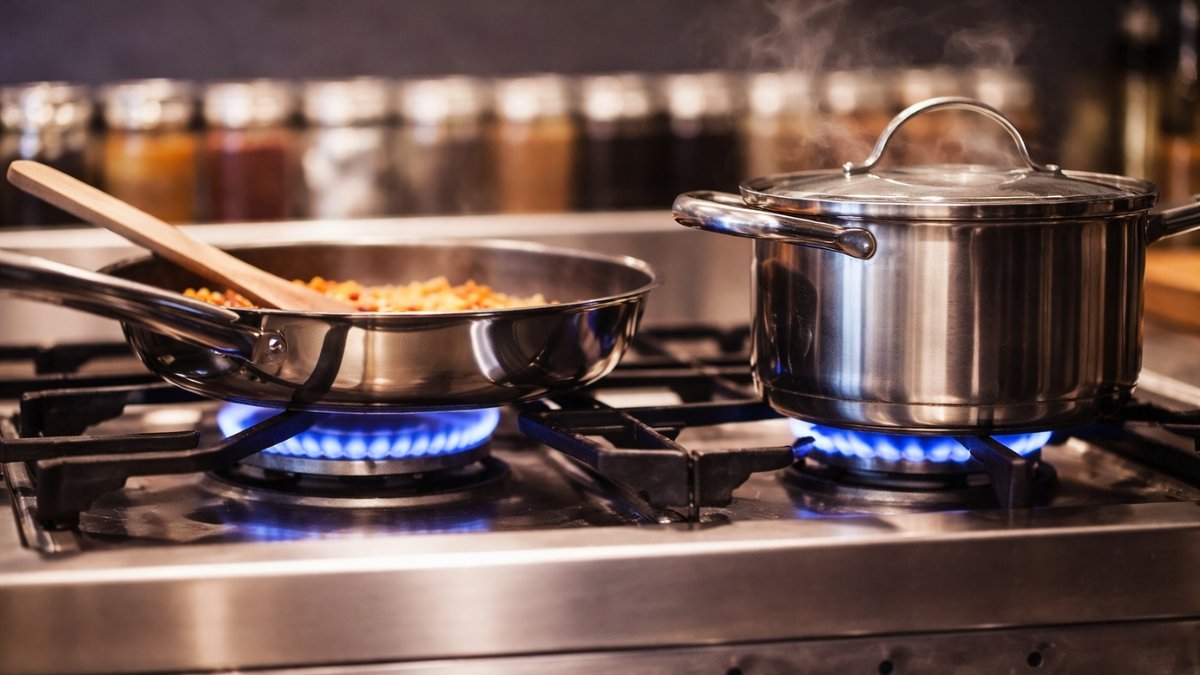
The Iran-Israel conflict has pushed global energy markets into fresh turbulence — and your kitchen is already feeling it. LPG prices are climbing, and for millions of Indian households, the gas cylinder is becoming an unexpected monthly stress. The good news? A few smart, science-backed kitchen habits can meaningfully cut your LPG consumption — no induction switch required.
Why Your Gas Bill Is Rising and What You Can Do Right Now
The ongoing Iran-Israel conflict has disrupted energy supply chains across West Asia, sending ripple effects through global LPG markets. India, which imports a significant share of its LPG, remains directly exposed to these pressures. Meanwhile, switching to induction is not a realistic option for every household — cost, infrastructure, and cooking habits all stand in the way.
However, the solution may already be sitting in your kitchen. Centuries of Indian cooking wisdom, now backed by food science research, point to a set of daily habits that can dramatically reduce gas consumption. These are not minor tweaks. They are genuine fuel-saving strategies.
Pressure Cooking: The Most Underrated Gas-Saver in Your Kitchen
The pressure cooker is arguably the most efficient cooking tool available to an Indian household — and also one of the most underused. Research published on Science Direct confirms that pressure cooking reduces cooking time by 30 to 70 percent, particularly for pulses, beans, and potatoes.
That time reduction translates directly into fuel savings. Beyond this, the same research notes that pressure cooking improves food safety, enhances nutritional quality, and reduces spoilage. It is faster, cleaner, and cheaper. There is genuinely no downside.
Pre-Soaking Ingredients: Small Step, Big Fuel Impact
Soaking pulses, beans, and rice before cooking is one of the simplest habits to build — and one of the most impactful. The Institute of Food Science and Technology confirms that longer soaking or germination periods significantly reduce cooking time. Additionally, pre-soaking lowers tannin content and improves mineral absorption by reducing phytate ratios.
In practical terms, soaking overnight means your dal or rajma spends far less time on the flame. Consequently, your gas consumption drops without any change to what you are cooking or how you cook it. That is the definition of an effortless saving.
Are You Using the Right Burner for the Right Vessel?
This is one of the most common and costly kitchen mistakes in Indian homes. Placing a small vessel on a large burner allows most of the heat to escape around the sides rather than transferring into the pot. The result is wasted fuel on every single cook.
The fix is straightforward. Match the vessel size to the burner size. Smaller pots belong on smaller burners. If your stove has a simmer burner, use it deliberately. This single adjustment can make a measurable difference across hundreds of meals each year.
Lids On: The Simplest Trick That Most Cooks Ignore
Cooking without a lid is the culinary equivalent of cooling a room with the windows open. Heat escapes continuously, cooking time extends, and gas consumption rises. Simply covering your vessel retains heat, reduces evaporation, and cuts the time your flame needs to stay lit.
It costs nothing. It requires no equipment. Yet many home cooks skip it out of habit or convenience. Put the lid on. Keep it there.
Fine Cuts and Residual Heat: Two Techniques With Serious Results
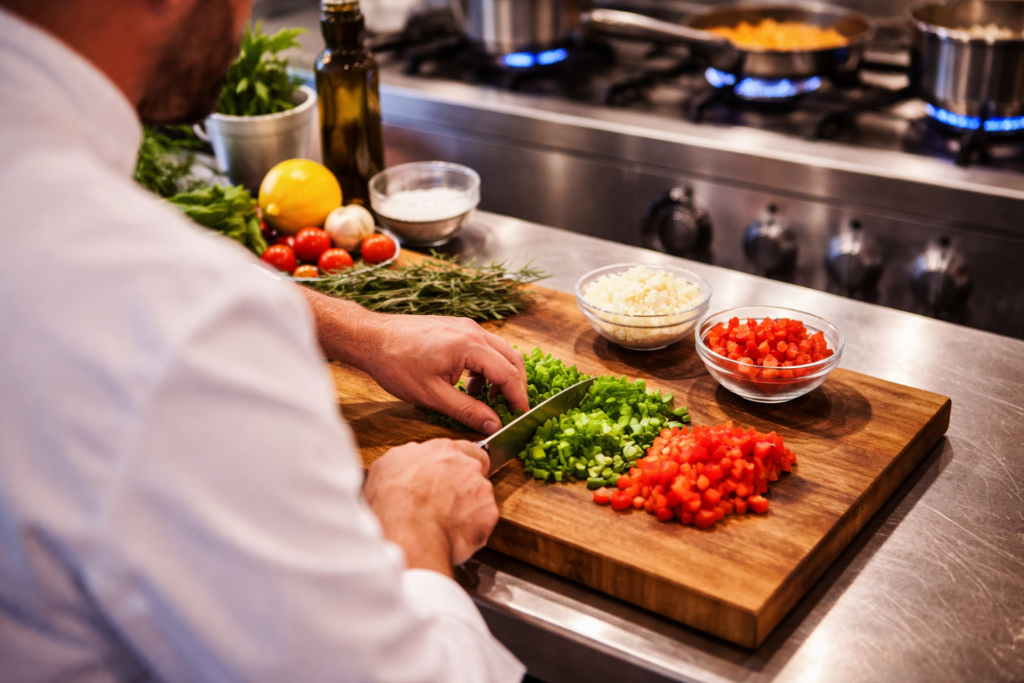
Finely chopping vegetables before cooking increases the surface area exposed to heat. As a result, ingredients cook faster and more evenly, reducing the time the burner needs to stay on. This is a small prep investment that pays off on every dish.
The residual heat method, however, deserves special attention. Many Indians will remember the kitchen scene in Vidya Balan’s Mission Mangal — where a character switches off the flame and allows retained heat to finish the cooking. That scene was not cinematic licence. It reflects a genuine technique practised in frugal Indian kitchens for generations. Once oil or water reaches the required temperature, switching off the flame and covering the vessel allows residual heat to complete the process. It works — and it can save a meaningful amount of gas each week.
Stove Maintenance and Smart Use of Electrical Appliances
A dirty burner is an inefficient burner. Grease deposits and food particles clog the jet openings over time, disrupting combustion and forcing the flame to work harder. Cleaning your stove burners periodically — ideally every few months — restores efficient gas flow and ensures you are not burning extra fuel on every meal.
Furthermore, not every kitchen task requires the gas stove. Boiling water for tea, reheating last night’s dal, or pre-cooking potatoes are all tasks that an electric kettle, microwave, or small induction plate can handle. Using electrical appliances for these minor jobs frees up LPG for the cooking that genuinely needs it. The goal is not to abandon gas — it is to use it only where it matters most.
The Iran-Israel conflict is unlikely to resolve quickly, and LPG prices will remain under pressure for the foreseeable future. These eight habits will not eliminate your gas bill — but practised consistently, they can put a meaningful dent in it. Your kitchen is smarter than you think. Start using it that way.