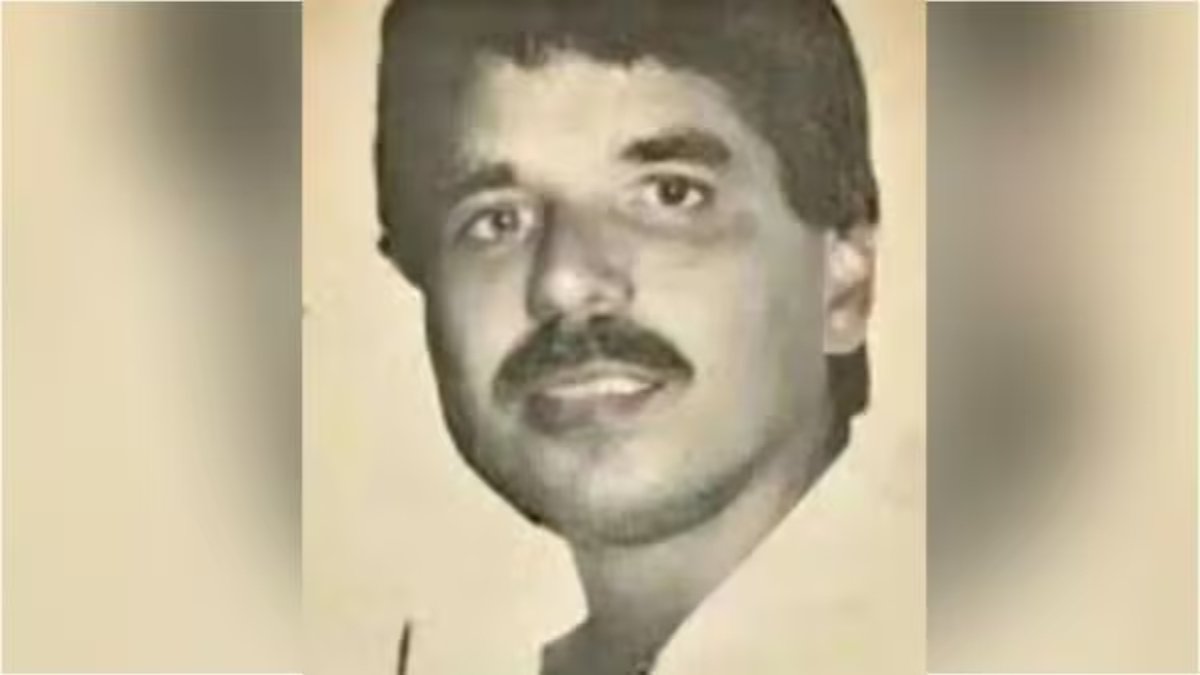
Veteran Bollywood filmmaker MM Baig was found dead in his Mumbai flat — undiscovered for days. His story reveals an industry that celebrates stars but abandons the people who build them.
Neighbours noticed the smell first.
MM Baig had not stepped outside his Andheri West flat for four to five days. Nobody from the film industry had checked on him. So when residents complained to police, officers forced the door open and found him dead inside. He was in his 70s. He had been unwell for some time. And he had been entirely alone.
His publicist, Hanif Zaveri, confirmed the news and spoke to PTI shortly after. “He was a loving man. I pray for his departed soul,” Zaveri said. His body was taken to Cooper Hospital for a post-mortem examination at around 1:30 am.
The official cause of death is still pending.
A Career Built Behind the Camera
MM Baig spent decades working as an assistant director. He trained under some of Hindi cinema’s most respected names — J Om Prakash, Vimal Kumar, and Rakesh Roshan. During those years, he contributed to several well-known mainstream films. These included Aadmi Khilona Hai, Karz Chukana Hai, Kala Bazaar, Kishen Kanhaiya, and Jaisi Karni Waisi Bharnii.
He later moved into independent directing. His film Chhoti Bahu, featuring Shilpa Shirodkar, marked his solo directorial work. He also directed Masoom Gawah, starring Naseeruddin Shah — though that film was never released.
His name rarely appeared on posters. But his influence ran deep.
The Voice Behind a Superstar’s Debut
Here is the detail that most outlets have buried — or missed entirely.
Before Hrithik Roshan said a single word on screen in Kaho Naa Pyaar Hai (2000), MM Baig had already spent months shaping how he spoke. According to Zaveri, Baig worked closely with the young Hrithik on diction, voice modulation, and dialogue delivery. This happened quietly, long before the debut film went into production.
“Baig sahab shared a warm equation with Rakesh Roshan sahab,” Zaveri told PTI. “He would help Hrithik with mouthing dialogues.”
No credit. No public recognition. Just the work.
This is exactly the kind of contribution that disappears from the official record. Moreover, it points to a wider truth about Hindi cinema — one that most industry coverage refuses to name directly.
A Pattern the Industry Keeps Ignoring
MM Baig’s death is not a one-off tragedy. Instead, it fits a deeply troubling pattern.
In recent years, several veteran Hindi film technicians, assistant directors, and behind-the-scenes contributors have died in poverty or isolation. The industry generates billions of rupees annually. Nevertheless, there is still no reliable pension structure for its craftsmen. There is no mandated welfare fund that reaches people like MM Baig. The Film Writers Association, the Indian Film and Television Directors Association, and various guilds exist — but their safety nets remain patchy at best.
Compare this to Hollywood, where the Motion Picture & Television Fund has operated since 1921. It provides housing, healthcare, and financial support specifically for industry veterans in need. No comparable institution functions at scale in Mumbai.
MM Baig worked alongside Rakesh Roshan for years. He helped shape one of the biggest stars of his generation. Furthermore, he raised a child who became a nationally beloved performer. Yet in his final days, not a single person from that world checked whether he was alive.
That is not just a personal tragedy. It is an institutional failure.
Baby Guddu’s Father
To audiences who grew up in the 1980s, MM Baig is also known as the father of Baby Guddu — born Shahinda Baig — one of the most recognised child actors of her era. She appeared in Aakhir Kyon?, Nagina, Pyar Kiya Hai Pyar Karenge, and Aulad — films that defined a generation of family cinema.
Shahinda today works as a flight attendant with Kuwait Airways. She was abroad when her father was found. She has since returned to Mumbai to handle funeral arrangements and other formalities.
A daughter flying home from another country to bury a father who had been lying undiscovered for nearly a week. That single sentence tells you everything about how this industry treats the people it no longer needs.
What MM Baig Deserved
Most coverage of MM Baig’s death has followed the same formula — a PTI wire rewrite, a career list, a quote from the publicist, and done. However, that approach misses the real story.
The real story is this: a man who spent his life making others successful died without a single person from that world close enough to notice he was gone.
Bollywood loves its origin stories. It celebrates its stars’ humble beginnings and their coaches and mentors — but only when those mentors are still useful. MM Baig stopped being useful to the industry a long time ago. So the industry stopped looking.
He was a loving man, his publicist said.
He deserved a better ending than this.
The post-mortem report is awaited. No official cause of death has been confirmed at the time of publication.