Long before most people even heard the name, Nipah had already earned a reputation for being dangerous and unpredictable. Now, with fresh cases reported in West Bengal, the virus is back in the spotlight, pushing health systems and neighbouring countries into alert mode. Several Asian nations have tightened airport screenings, echoing memories of the pandemic years and raising concern among travellers and residents alike.
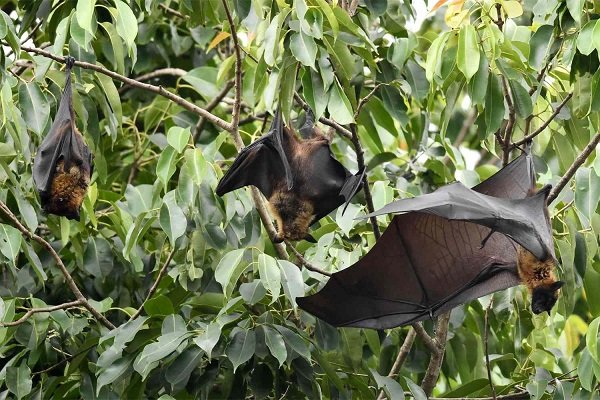
Nipah is a virus that jumps from animals to humans. It is most commonly linked to fruit bats, but other animals can play a role in spreading it as well. Humans usually become infected through close exposure to infected animals, contaminated food, or prolonged contact with someone who is already sick. The risk is higher in situations where people care for patients or handle animals regularly.
After exposure, symptoms do not appear immediately. It can take several days, sometimes up to two weeks, before a person begins to feel unwell. Early signs often look like a common flu, with fever, headache, sore throat, cough, or vomiting. In more serious cases, the virus can affect the brain, leading to confusion, seizures, loss of consciousness, and even coma. This wide range of symptoms is what makes Nipah especially concerning, as mild cases can quickly turn severe if not identified early.
Certain groups face a higher risk than others. Healthcare workers, caregivers at home, farmers, and people living in areas where outbreaks have occurred are more vulnerable. Those with weaker immune systems may also suffer more serious illness. Experts stress that the virus spreads mainly through close and prolonged contact, not through brief interactions in public places, which offers some reassurance to the general population.
There is currently no specific cure or vaccine for Nipah, which makes prevention the most powerful defence. Health authorities continue to urge people in affected regions to avoid contact with wild animals, be cautious about food that may be contaminated, maintain good hygiene, and seek medical help immediately if symptoms appear. Early isolation and supportive care can save lives.
Nipah outbreaks have surfaced repeatedly over the years in parts of South Asia, keeping public health officials on edge. With travel and large gatherings increasing during festive seasons, awareness and caution become even more important. Staying informed, calm, and careful may be the simplest yet strongest way to prevent fear and infection from spreading further.