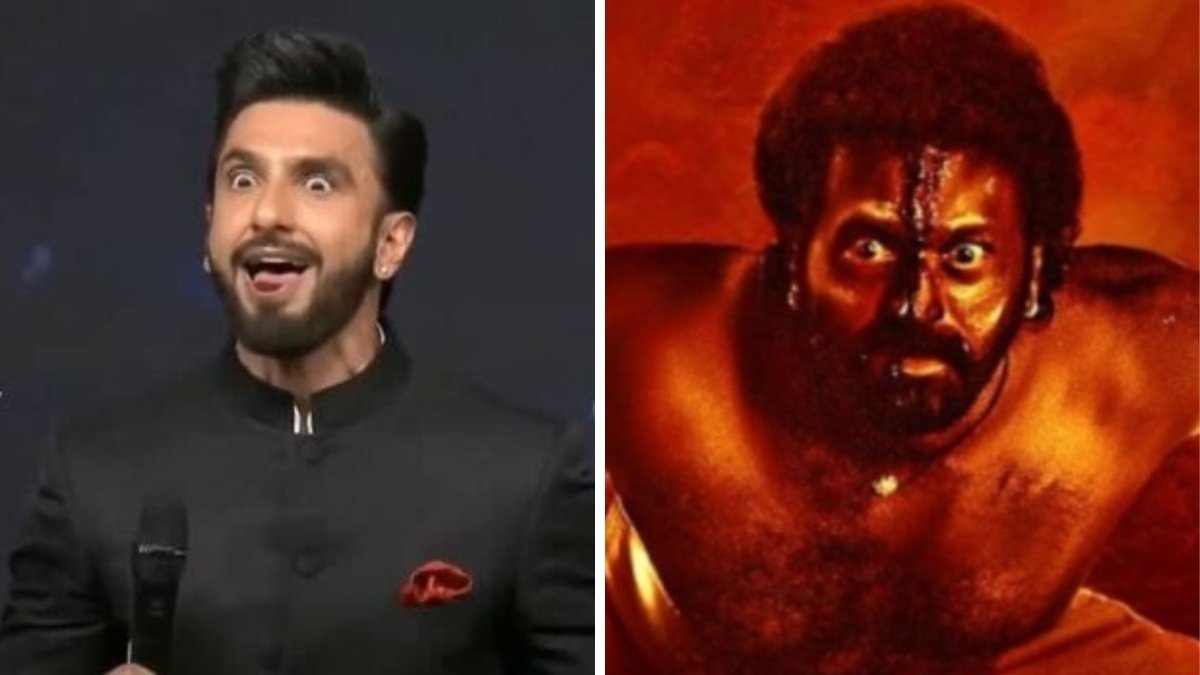
Ranveer Singh’s apology over the Rishab Shetty mimicry controversy may have come too little, too late — and possibly not from him at all.
In a Karnataka High Court hearing on March 24, the complainant’s advocate questioned whether the actor’s much-publicised Instagram apology was even personally authored. The case, which began at IFFI 2025 in Goa, has now reached a point where the court is weighing the sincerity of a celebrity’s public remorse.
What Happened in Court on March 24
Ranveer’s senior advocate Sajan Poovayya informed Justice M Nagaprasanna that the actor is prepared to file an affidavit tendering an unconditional apology. Additionally, Poovayya confirmed that Ranveer will visit the Chamundi Temple, as directed by the court. The hearing marked a significant escalation in the legal accountability the actor now faces.
However, the complainant’s advocate Prashant Methal pushed back hard. He told the court that Ranveer’s earlier apology was not heartfelt. “Because he has tweeted his apology from the handle run by his managers,” Methal submitted before the bench. That detail — easy to overlook — cuts to the heart of how Bollywood’s crisis PR machine operates.
The court, meanwhile, did not let the moment pass quietly. It remarked that the actor should always feel remorse and understand that his position carries immense weight. In short: fame is not insulation.
The IFFI Incident That Started It All
On November 28, 2024, at the closing ceremony of the International Film Festival of India in Goa, Ranveer Singh mimicked Rishab Shetty — not once, but twice. The first time was on stage, where he made exaggerated faces while praising Rishab’s performance in Kantara: Chapter 1. Rishab, who was present in the audience, stood up and asked him to stop.
Ranveer did it again moments later — this time while personally greeting and hugging the Kannada actor-filmmaker. Rishab again asked him not to. The act was not a fleeting offstage moment; it unfolded publicly, on camera, at one of India’s most prominent film festivals.
Furthermore, Ranveer compounded the offence by referring to the daivas in the Kantara films as “ghosts.” Daivas are sacred deity-spirits central to the Tulu Nadu tradition of spirit worship — a living religious practice, not folklore. That factual error, therefore, wasn’t just careless. It revealed a fundamental misunderstanding of what he was attempting to parody.
Why the ‘Manager’s Handle’ Detail Matters
After the backlash, Ranveer posted an apology on Instagram Stories. It read, in part: “My intention was to highlight Rishabh’s incredible performance in the film… I have always deeply respected every culture, tradition and belief in our country.”
On the surface, it seemed like closure. Yet the complainant’s advocate has now told a High Court that the post came from a handle managed by the actor’s team — not from Ranveer himself. In an era where celebrity accounts are routinely run by PR managers, that distinction is rarely made in public. Courts, however, are beginning to make it.
This pattern is not unique to Ranveer. Bollywood has a long history of crisis apologies that arrive via carefully worded Instagram notes, drafted to minimise legal exposure rather than express genuine accountability. Notably, this may be the first time an Indian court has specifically flagged a social media apology’s authenticity as a point of legal scrutiny.
What Comes Next for Ranveer Singh
The actor must now file a formal affidavit before the Karnataka High Court. He is also expected to visit the Chamundi Temple in accordance with the court’s direction. These are not symbolic gestures — they are documented, verifiable commitments made before a sitting judge.
Ranveer is currently riding the wave of Dhurandhar 2‘s success. Still, this case serves as a reminder that a strong box office run does not neutralise cultural accountability. The Karnataka HC has made clear that celebrity reach amplifies harm — and therefore amplifies responsibility.
The next hearing will determine whether the court accepts the affidavit as sufficient or pushes for further action. Either way, the message from the bench has been unambiguous.
The outcome of this case could set a precedent for how courts treat celebrity apologies issued through social media — and whether a post from a PR team will ever again be accepted as personal remorse.