Sometimes, the impact of a film goes far beyond the screen. After the release of Dhurandhar, a renewed curiosity around Balochistan has slowly begun to take shape, bringing its landscapes and cultural identity back into public conversation. While the story is rooted in a neighbourhood of Karachi, parts of its emotional arc draw viewers closer to Balochistan, touching upon the region’s history, struggles, and spirit.
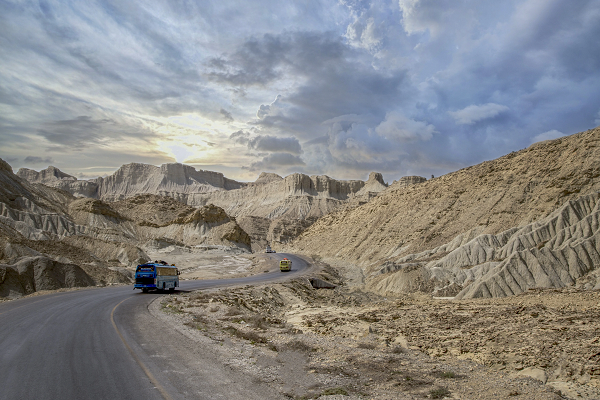
The film doesn’t just tell a story; it opens a window. Audiences have found themselves drawn to the visual language inspired by Balochistan’s rugged terrain and raw beauty. Though no scenes were actually filmed in the province, the influence is unmistakable. The mountains, the vastness, and the sense of resilience reflected in the narrative have encouraged people to look deeper into a region often overlooked.
This interest has naturally spilled onto social media. Since the film’s release, short videos and reels showcasing Balochistan’s landscapes have seen a noticeable rise. Content creators are revisiting the region through their own lenses, sharing visuals that echo the film’s mood and atmosphere. These posts don’t recreate scenes from the movie, but instead highlight how its aesthetic has inspired a fresh appreciation for the province.
Many of these videos offer a calm, almost meditative experience. Sweeping drone shots glide over quiet coastlines, endless deserts, and towering mountain ranges, revealing a side of Balochistan that feels untouched and serene. What stands out most is the stillness. The absence of crowds in these visuals reflects the isolation the region has long experienced, making its beauty feel even more profound.
In an unexpected way, Dhurandhar has helped redirect attention toward Balochistan, reminding audiences that powerful storytelling can also spark meaningful curiosity about real places and real histories waiting to be explored.