

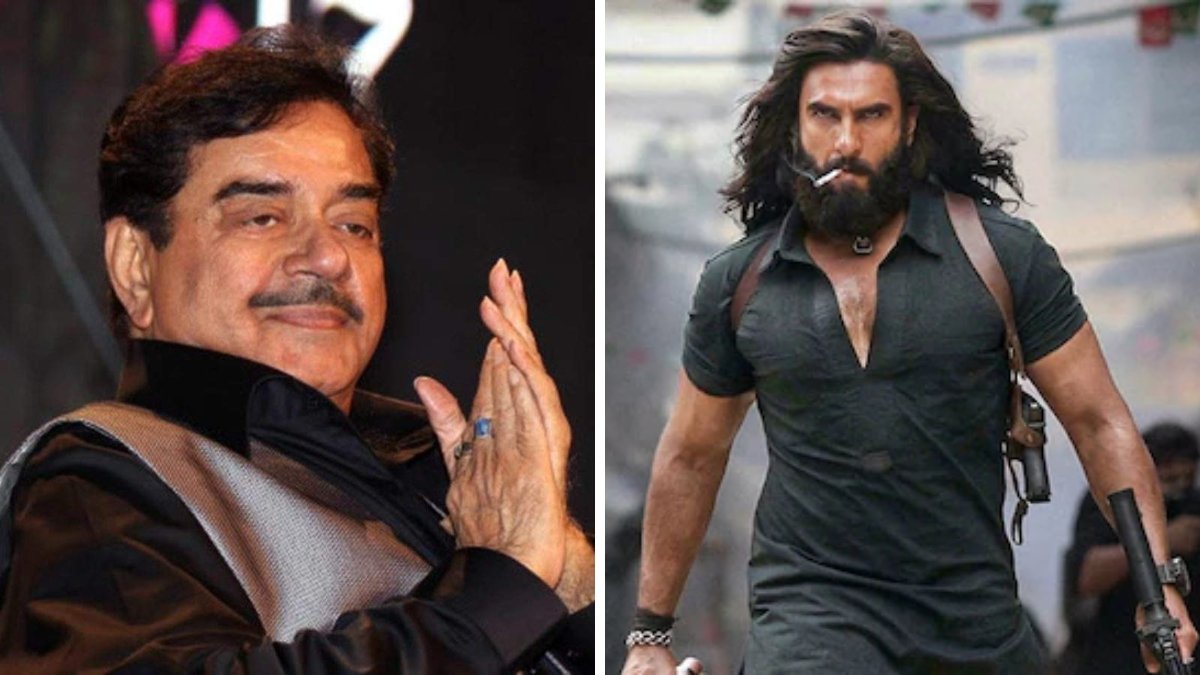
Months after its theatrical release, Dhurandhar keeps collecting heavyweight endorsements. The latest comes from Bollywood veteran Shatrughan Sinha — and he didn’t just praise the film. He walked straight into the propaganda debate, dismissed it entirely, and handed Aditya Dhar’s spy thriller one of its most authoritative reviews yet.
Shatrughan Sinha Calls Out the ‘Propaganda’ Label Directly
Taking to his X account, Shatrughan Sinha opened his review with a pointed rhetorical question: “What ‘propaganda’ film???” The veteran actor — known for speaking his mind across decades in the industry — wasn’t interested in hedging. He called Dhurandhar an “absolute masterpiece” and praised its sincerity of craft, a quality that often gets buried under political noise around patriotic cinema.
“A film is a film is a film,” he wrote — a line that, in three repetitions, carried more weight than most critical essays.
This is the larger story. The propaganda debate around Dhurandhar has been simmering since its December release. Sinha’s intervention — as someone who has watched Indian cinema evolve across five decades — effectively reframes the conversation around craft, not ideology.
Ranveer, Sanjay, Akshaye: A Legacy Cast Recognised by a Legacy Actor
What makes Sinha’s review particularly compelling is how he sees the cast through a generational lens. He called Ranveer Singh “one and only” and “outstanding.” But then he went further — describing Sanjay Dutt as a “worthy son of the most worthy father, late and great Sunil Dutt,” and acknowledging Akshaye Khanna as someone who has now stepped out of Vinod Khanna’s shadow to “create his own identity.”
These aren’t casual observations from a casual viewer. Sinha knew Sunil Dutt and Vinod Khanna personally. He is, in effect, completing a circle.
Akshaye Khanna’s performance in particular drew extended praise. Sinha noted his “flawless” portrayal of an “extraordinary role” that leaves “an extremely lasting impression.” It’s the kind of review that sticks to an actor’s career — especially when it comes from someone who has lived that same journey of building identity under a famous surname.
The Unsung Hero: Rakesh Bedi’s ‘Fine Balancing Act’
Here’s the detail most reviews will skip. Sinha reserved special warmth for Rakesh Bedi — calling him “the icing on the cake” and crediting him with a “wonderful and amazing role” that “only he could have done.”
Bedi is a character actor whose career spans decades of Hindi cinema, often in supporting parts that require precision over spectacle. That Sinha — another industry lifer — chose to spotlight him above bigger names says something interesting about what actually resonates in the film.
Songs, Sets and the Bangkok Backdrop Nobody Talks About
Dhurandhar’s Bangkok-shot sets, constructed to depict Pakistan, have been technically praised since release. Sinha added to that chorus, calling the work “beautiful” and “realistic.” The cinematographer, in his view, deserves “applause for exquisite work.”
He also flagged the music as “revolutionary” — specifically naming Shararat and Ishq Jalakar – Karvaan as euphoric, foot-tapping numbers with strong repeat value. Music in spy thrillers rarely gets this kind of attention, which suggests both songs have genuinely broken through.
Why the YouTube Strategy Matters
One line in Sinha’s post deserves more attention than it’ll probably get. He praised the film as “rightly marketed through YouTube, which highlights it.” For a theatrical release to earn that kind of post-release visibility on YouTube — and for a veteran actor to specifically call it out as a smart move — speaks to how Dhurandhar’s distribution strategy may be quietly rewriting how mid-to-large Bollywood films manage their long tail.
Dhurandhar is clearly not fading. It’s finding new audiences, earning new endorsements, and — crucially — outlasting the propaganda noise that tried to define it.
Dhurandhar doesn’t need defending anymore — it’s accumulating advocates. With Shatrughan Sinha’s review now on record, the film has earned something rarer than a box office number: the quiet respect of the generation that built the industry it’s reimagining.

