A routine most people never question is suddenly under scrutiny. A Harvard-trained gastroenterologist has sparked a global conversation by suggesting that toilet paper—long considered the gold standard of hygiene—may not be doing the job well enough. Her alternative? A simple shift that millions already swear by, but many still hesitate to embrace.
Why the ‘toilet paper vs bidet’ debate is gaining traction
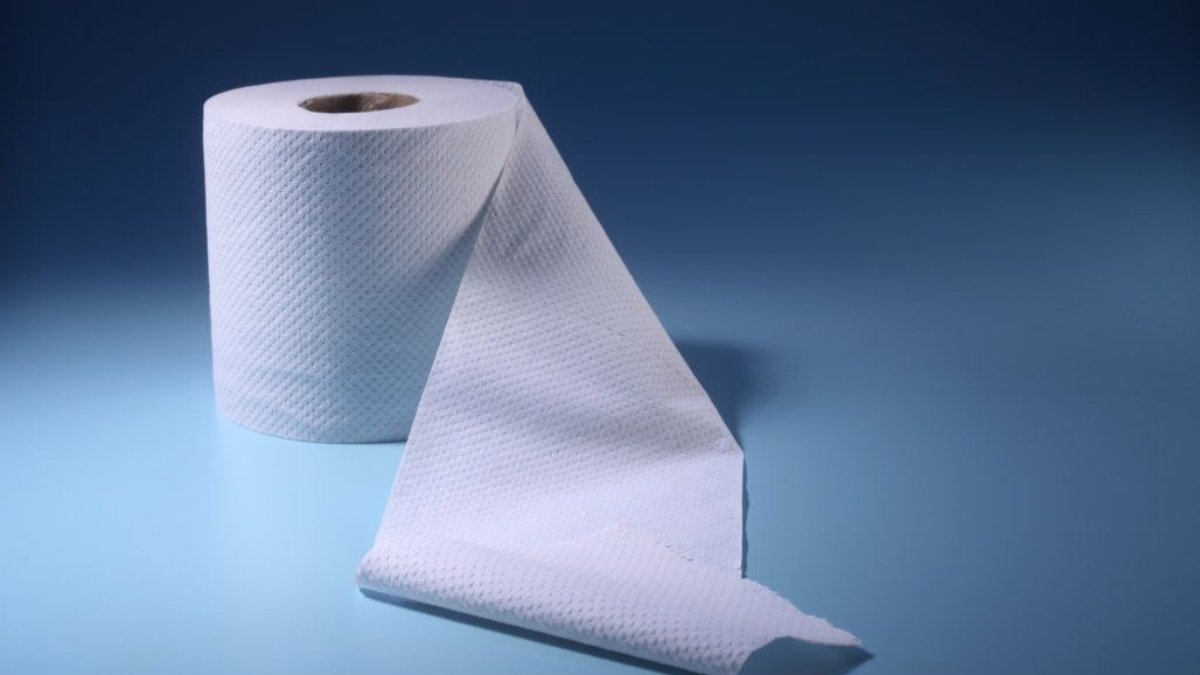
When Dr Trisha Pasricha spoke on The Mel Robbins Podcast, she didn’t hold back. Her take was direct: toilet paper alone isn’t the most effective way to clean after using the bathroom.
As a physician-scientist at Harvard Medical School, her comments carry weight—not just because they challenge habit, but because they question hygiene at a fundamental level.
The idea isn’t entirely new globally. But in Western culture, it still feels unfamiliar.
Bidet benefits explained: why water may clean better
At the heart of the debate is a simple comparison—water versus friction.
Dr Pasricha explained that even basic bidet attachments, which spray water to clean the area, can outperform dry toilet paper. While luxury models exist with features like heated seats, she emphasised that effective hygiene doesn’t require expensive upgrades.
Her argument is rooted in efficiency. Water rinses. Paper wipes.
She also cited a 2023 study indicating that people who use toilet paper may have more microbial residue on their hands compared to those who use bidets. While the study isn’t widely detailed, it reinforces a broader point: wiping may not fully remove contaminants.
Clean, it turns out, might be more complicated than it feels.
Are you wiping wrong? The hidden risks of toilet paper
Beyond cleanliness, the doctor highlighted something most people overlook—the physical impact of wiping.
The skin in that region is highly sensitive. Repeated or aggressive wiping can cause microscopic tears, irritation, and even worsen conditions like hemorrhoids or anal fissures.
Her advice is surprisingly practical: stop scrubbing.
Instead, she recommends a “gentle dab” technique for those who continue using toilet paper. This reduces friction and lowers the risk of irritation—especially for individuals already dealing with discomfort.
It’s a small behavioural tweak. But it could make a noticeable difference.
Women’s hygiene and UTI prevention: what to know
The conversation also touched on an important but often under-discussed area—female hygiene practices.
Dr Pasricha reiterated the importance of wiping from front to back to prevent bacteria from spreading and causing urinary tract infections (UTIs). But she added an extra layer to the advice: technique matters just as much as direction.
A gentle dab, rather than a forceful wipe, helps protect sensitive tissue while maintaining hygiene. The same principle applies whether someone uses toilet paper or switches to a bidet.
Subtle, but important.
When symptoms go beyond hygiene concerns
While better hygiene can prevent irritation, it’s not a fix-all.
Dr Pasricha cautioned that certain symptoms—like unexplained rectal bleeding—should not be ignored. If there’s no obvious cause such as hemorrhoids or fissures, medical evaluation becomes essential.
In such cases, she recommends procedures like a colonoscopy to rule out serious conditions.
That’s where everyday habits end—and clinical care begins.
The bigger picture: a shift in global hygiene habits
This discussion isn’t happening in isolation. Around the world, water-based cleaning has long been the norm. Countries across Asia and the Middle East have relied on it for decades, while Western nations largely stuck with toilet paper.
But that gap is narrowing.
With increasing awareness around hygiene, sustainability, and personal health, bidets are slowly entering mainstream conversations. Affordable attachments and easy installation are making adoption easier than ever.
Sometimes, change starts with questioning the obvious.
What began as a candid podcast moment has evolved into a broader rethink of everyday hygiene. Whether or not people fully switch to bidets, one takeaway stands out: small changes in how we clean could have a bigger impact on health than we realise.