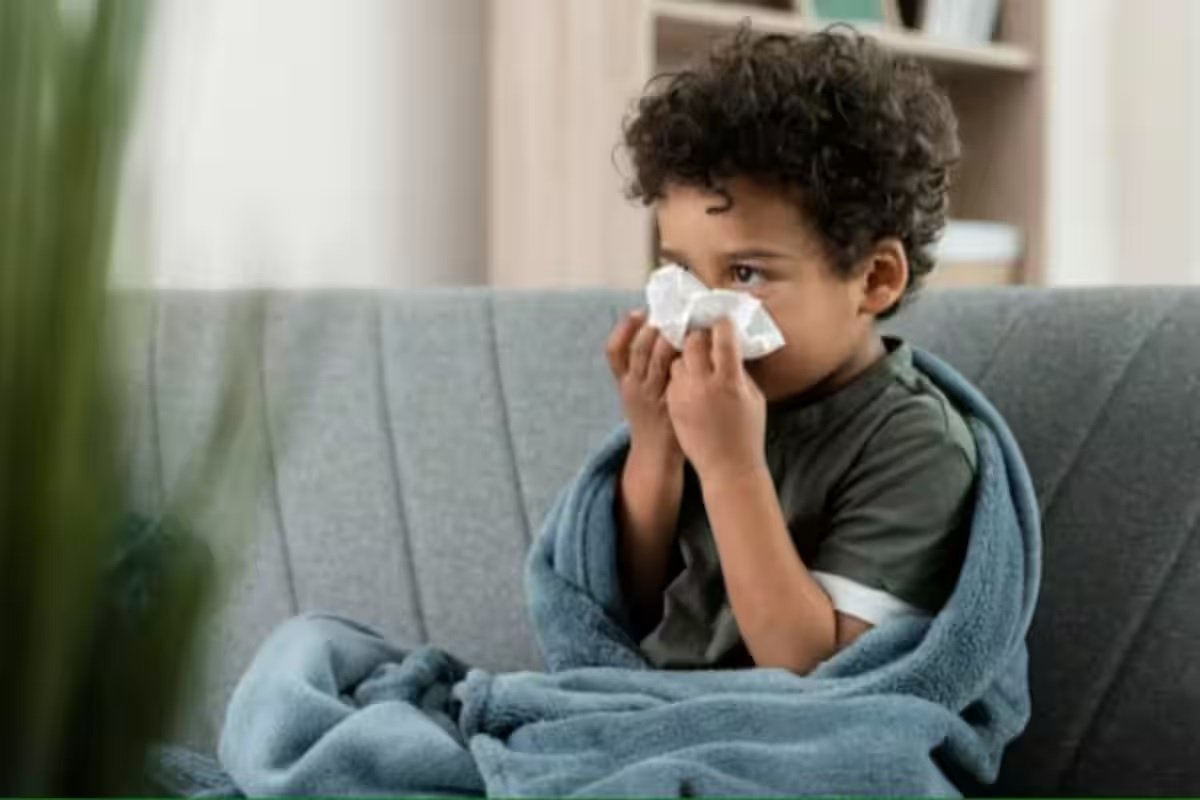
When winter arrives, many parents breathe a sigh of relief, believing allergy season is finally over. With pollen levels low and outdoor air seeming cleaner, it feels like the perfect time for children to get a break from sneezing and itching. But for many families, the opposite is happening. Winter is quietly becoming a difficult season for children dealing with allergies, and the main reason is what’s happening indoors.
As homes are shut tight to keep out the cold, children end up spending most of their time inside. Warm rooms, limited airflow, and everyday household items create an environment where allergens can build up unnoticed. Dust, mould, pet particles, and indoor pollutants remain trapped in the air, slowly affecting children’s health.
Instead of reacting to what’s outside, children begin showing symptoms because of what surrounds them at home. Constant sneezing, coughing, blocked noses, breathing trouble, and flare-ups of asthma or eczema are increasingly common during winter. Changes in indoor humidity also make it easier for allergens to grow, which can irritate young airways and make symptoms harder to control. Since children’s lungs are still developing and they breathe faster than adults, they are exposed more intensely to these irritants.
Repeated allergy problems during winter shouldn’t be taken lightly. When symptoms go unnoticed or untreated, they can affect a child’s long-term lung health and increase the risk of ongoing respiratory issues. Early identification of triggers, better indoor air quality, and timely medical advice play an important role in protecting children’s health and preventing complications later on.
Breathing issues are only part of the story. Winter also takes a toll on children’s skin, especially for those prone to eczema or sensitive skin. Cold air and dry conditions strip the skin of moisture, weakening its natural protective barrier. Once the skin becomes dry and cracked, indoor allergens can enter more easily, leading to itching, redness, flares, and sometimes infections.
Managing skin allergies during winter is largely about prevention and daily care. Keeping the skin well moisturized, avoiding frequent hot baths, maintaining comfortable indoor humidity, and keeping living spaces clean can help restore the skin’s natural defence and reduce flare-ups.
What makes winter allergies tricky is how easily they’re dismissed. Poor sleep, ongoing coughs, itchy skin, or frequent colds are often brushed off as normal seasonal problems. However, heaters, carpets, bedding, and soft furnishings can trap allergens indoors, making symptoms worse over time. Addressing these issues early helps prevent allergies from becoming a long-term struggle.
Simple changes at home can make a big difference. Letting fresh air in when possible, sun-drying bedding, reducing dust-collecting items, and keeping indoor spaces clean and well-ventilated can lower allergen exposure significantly. Alongside medical guidance, these everyday steps help children cope better and strengthen their overall well-being.
Winter doesn’t have to be a season of silent suffering. With awareness, early action, and a preventive approach, families can create a healthier indoor environment—helping children breathe easier, sleep better, and stay comfortable, even when the temperature drops outside.