Most of us don’t think twice before checking our phones dozens of times a day, yet we rarely stop to check on the very organ that makes it all possible. In a world where screens follow us from morning alarms to late-night scrolling, eye care has quietly slipped to the background. Doctors say this has allowed many eye problems to grow unnoticed—often without pain, warning signs or anything that might push us to act sooner.
Eye specialists explain that good eye health isn’t something to worry about only when vision starts to blur. It’s a habit that should begin from the very start of life and continue throughout every stage. The first check-up ideally happens right after birth, so doctors can catch any early issues, especially in premature babies who may be at risk of certain retinal conditions. Detecting problems at this stage can prevent vision loss later.
As children grow, regular screenings remain just as important. Many childhood-related eye concerns—like refractive errors or lazy eye—don’t always show clear signs. That’s why specialists recommend a proper baseline check between the ages of three and five, followed by yearly exams. With kids’ screen time now higher than ever, doctors warn that unnoticed changes in vision can develop quickly.
Eye health shifts again around the age of forty. Many people assume difficulty reading or focusing is simply a part of ageing, but doctors say this is also when the risk of glaucoma increases. They advise adults in this age group to undergo screenings every one or two years. Since glaucoma damages the optic nerve silently and permanently, early detection is the only real defence.
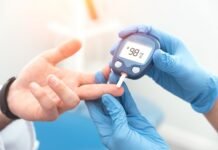
For those living with diabetes, eye tests become even more crucial. Diabetes is a major cause of preventable blindness. Specialists emphasize that yearly screenings can detect diabetic retinopathy early, when treatment is still effective. Some patients may also need advanced tests like OCT or visual field mapping to catch changes that ordinary tests might miss.
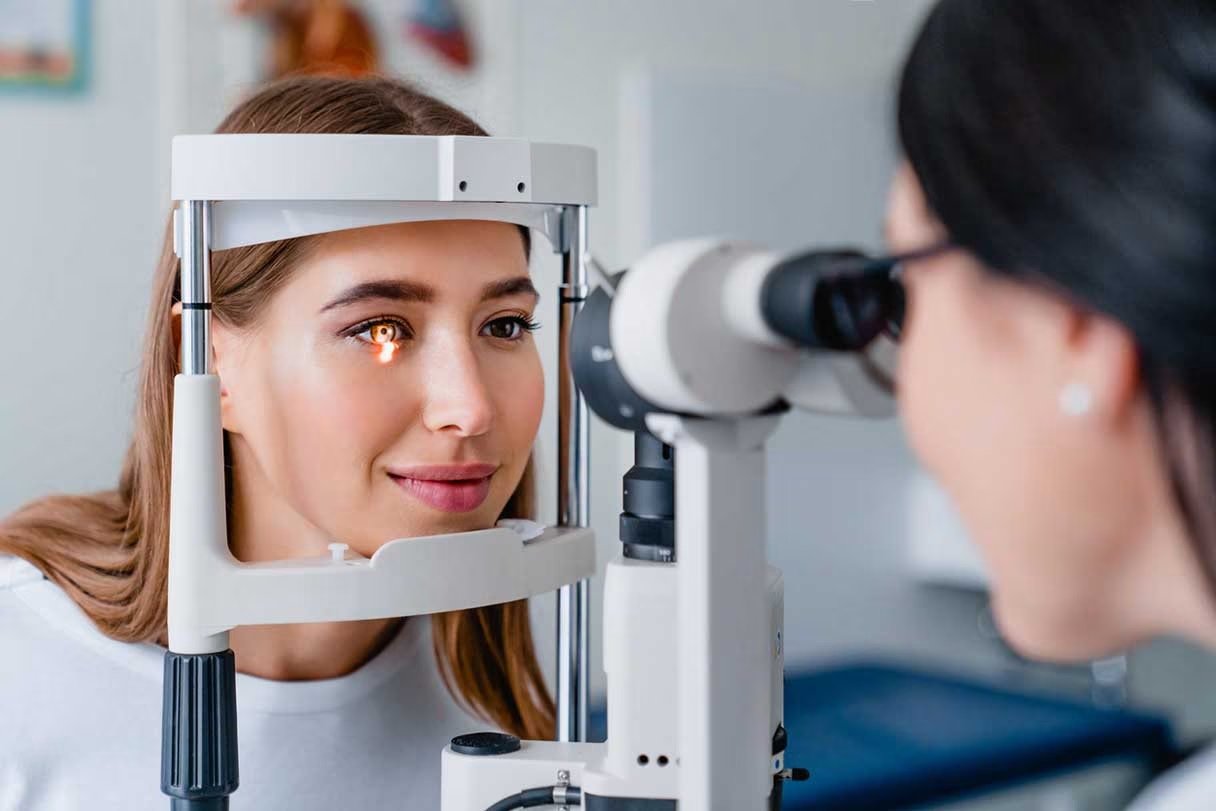
Experts stress that even people with perfect vision shouldn’t skip annual check-ups. Many eye diseases don’t show symptoms until significant damage has already occurred. A routine test can uncover issues like cataracts, glaucoma, retinal changes and even early signs of conditions such as hypertension or diabetes.
Taking care of our eyes isn’t just about seeing clearly today—it’s about protecting the gift of sight for the rest of our lives.