For today’s Gen Z, self-care doesn’t look like what earlier generations might imagine. Growing up in a world filled with constant notifications, high academic pressure, early career expectations, and endless online noise, many young people feel that traditional wellness routines simply don’t fit their reality. Instead, they are turning to something that feels more natural to them—movement paired with science-backed recovery techniques—to manage their emotional and mental well-being.
A therapist from a well-known hospital explains that movement feels instinctive for this generation. Many young clients tell her that practices requiring stillness leave them frustrated because they just can’t sit quietly for long periods. For them, moving their bodies feels more accessible and less intimidating than meditation or journaling.
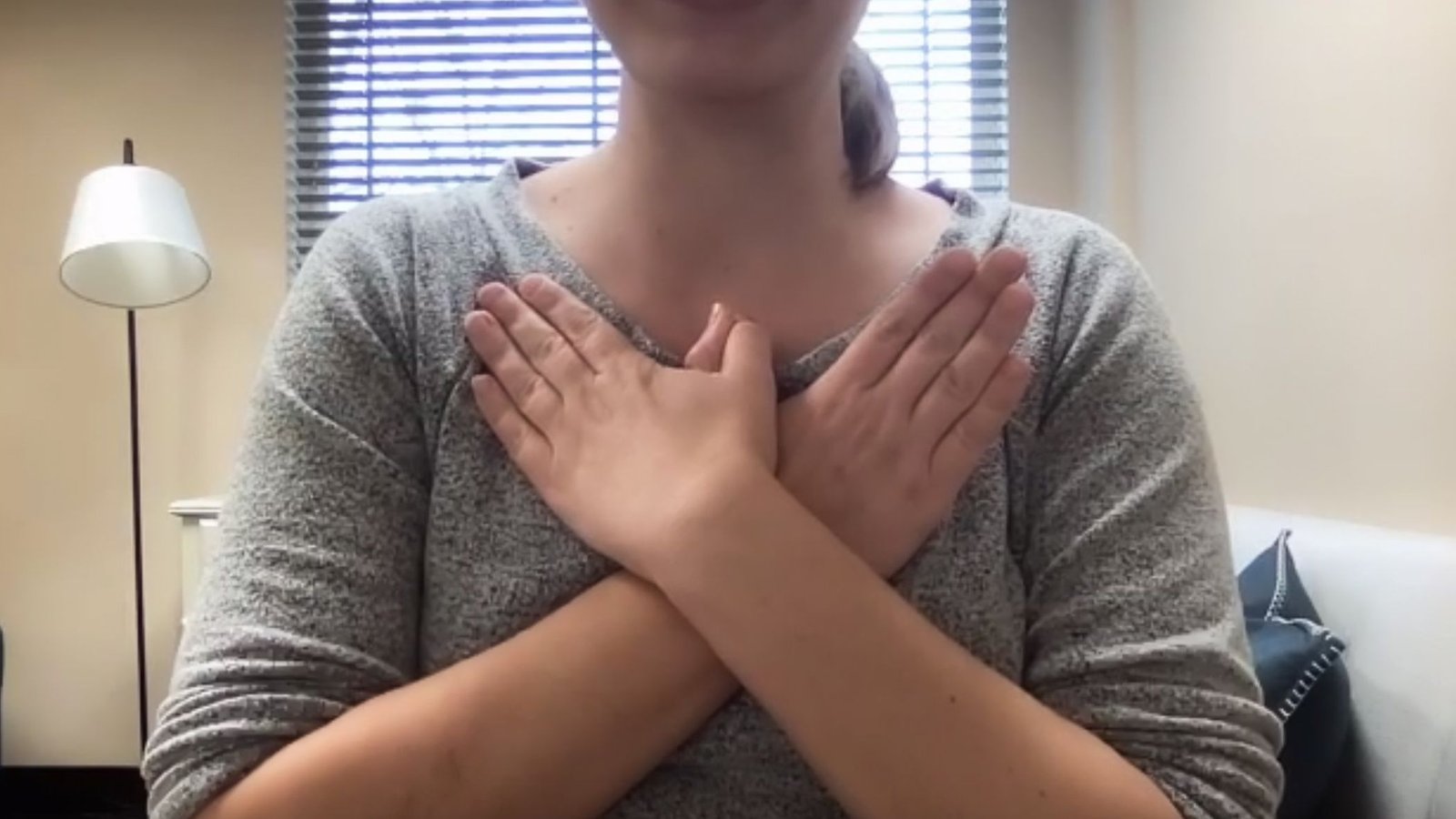
As awareness about the mind–body connection becomes more mainstream, somatic exercises are moving out of the niche category. Simple practices like butterfly tapping, steady breathing patterns, or even a daily walk now offer emotional relief without the pressure of “doing wellness the right way.” The therapist adds that movement often becomes a gentle first step toward regulating emotions, especially when mindfulness feels too demanding.
However, she also highlights that movement should support emotional health, not mask it. The intention behind staying active matters. Movement becomes a healthy coping tool when it is one of several ways a person takes care of their emotions. But when someone feels anxious without it or relies on it exclusively, it starts shifting into avoidance. She compares it to enjoying one glass of wine to relax versus feeling the need to finish the whole bottle—the difference lies in awareness and balance.
When it comes to anxiety and overthinking, understanding the body’s “window of tolerance” can be transformative. For those who feel restless, wired, and overstimulated, grounding techniques and controlled breathing—like box breathing or the 4-7-8 method—can help calm the nervous system. On the other hand, when someone feels drained, low, or emotionally disconnected, the body responds better to gentle activation. Light movement such as walking, shaking exercises, or even slow dancing can help bring energy back.
What Gen Z is embracing is a personalised version of self-care—one that acknowledges their fast-paced lives, honours their need for movement, and respects the science of how the body works. In doing so, they are creating a fresh, realistic, and compassionate approach to emotional well-being.