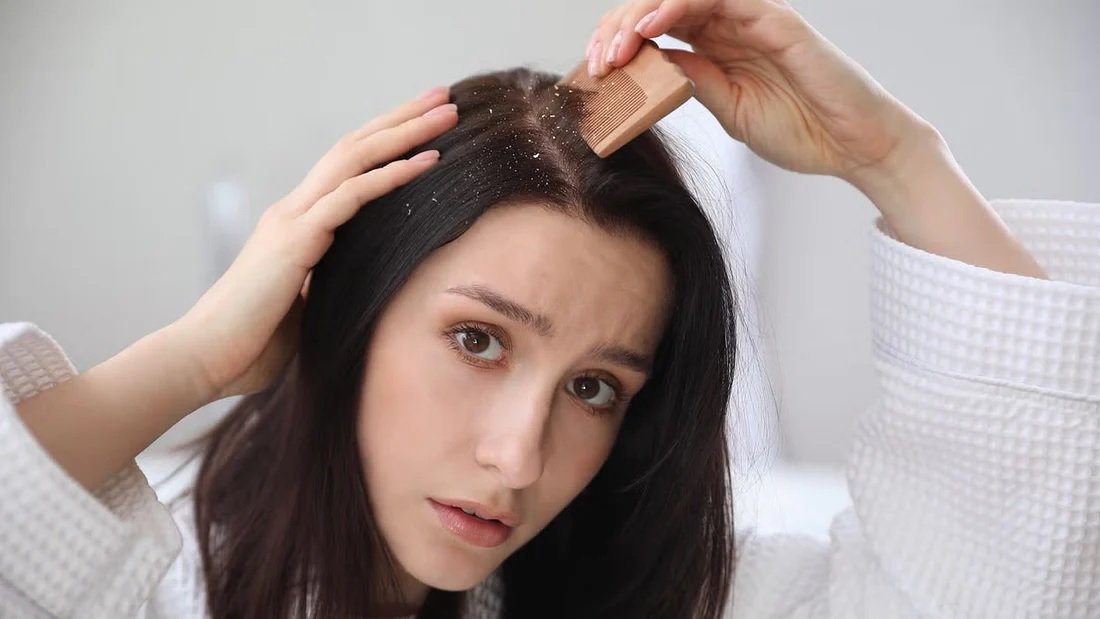
Summer doesn’t just affect your clothes and skincare, it also quietly impacts your scalp. As temperatures rise, many people suddenly notice itching, flakes, or dandruff, even if they didn’t struggle with it before. What starts as a minor irritation can quickly turn into a recurring problem if not addressed properly.
Medical experts explain that heat, humidity, and sweating play a major role in disturbing the scalp’s natural balance. During summer, the scalp produces more oil and sweat, which can upset its delicate ecosystem. This environment makes it easier for dandruff to develop and worsen over time.
Ironically, common habits meant to protect hair, like wearing scarves, helmets, or caps, can make things worse. These trap heat and moisture, creating the perfect condition for scalp issues to grow unnoticed.
According to dermatology experts, the scalp has its own microbiome, a mix of oils, microbes, and natural yeast, that needs to stay balanced. When this balance is disturbed, it can trigger irritation and flaking. Experts also stress that dandruff isn’t just a one-time issue. It tends to be chronic and can come back repeatedly if the root cause isn’t treated.
At the center of dandruff is a naturally occurring yeast called Malassezia globosa. Under normal conditions, it exists harmlessly on the scalp. But in summer, excess oil and sweat create the perfect environment for it to grow rapidly. As it breaks down scalp oils, it produces substances that irritate the skin, leading to itching and faster shedding of skin cells—what we see as flakes.
In simple terms, more heat leads to more oil, which increases yeast activity and causes dandruff to worsen.
Experts say that quick fixes may help temporarily, but lasting relief requires proper treatment. Using anti-dandruff shampoos with proven antifungal ingredients like Piroctone Olamine can help control the growth of dandruff-causing yeast. Regular use, about two to three times a week, can restore the scalp’s natural balance instead of just hiding the problem.
Along with treatment, everyday habits make a big difference. Washing your hair after heavy sweating helps remove oil and dirt buildup. Keeping items like helmets, caps, and scarves clean prevents bacteria and fungi from accumulating. It’s also important to let your hair dry completely before tying it, as trapped moisture can worsen the issue.
Small changes can go a long way. For example, using breathable materials inside helmets or avoiding prolonged dampness can improve scalp health during hot weather.
Experts emphasise that dandruff in summer isn’t just about appearance, it’s a sign that your scalp is reacting to environmental stress. The solution lies in maintaining balance, allowing the scalp to breathe, and following a consistent care routine.
With the right approach, you can keep your scalp healthy, comfortable, and flake-free, even in peak summer heat.