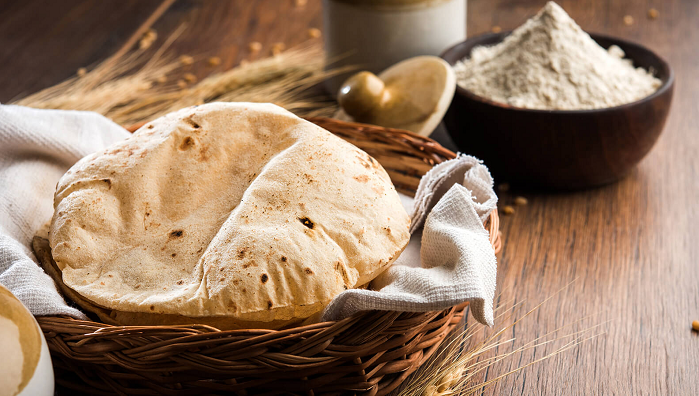
Roti has always been at the heart of Indian meals. It sits quietly on our plates every day, from morning breakfasts to late-night dinners, rarely demanding attention. But what if this everyday food could work harder for our health simply by changing with the seasons? As the weather shifts, so do our bodies. The foods that feel comforting and energising in winter may feel heavy in summer, while lighter grains bring relief during the heat.
Food experts often remind us that eating with the seasons is not a new trend but an old habit our grandparents followed naturally. Long before calorie charts and diet apps, families rotated grains through the year, listening to what the body needed. Modern nutrition and Ayurveda are now echoing that same wisdom, showing that choosing the right grain at the right time can support digestion, energy, and overall well-being.
During winter, the body craves warmth and strength. This is where bajra roti shines. It is naturally warming and packed with nutrients that help fight tiredness, stiffness, and low energy that often come with cold weather. A slightly thick bajra roti with a touch of ghee feels hearty and satisfying, making it perfect for chilly days when the body needs extra fuel.
Jowar roti, on the other hand, is a true all-rounder. It fits comfortably into both summer and winter meals. It gives steady energy without feeling heavy and is gentle on digestion. Many people find it especially helpful for keeping the gut healthy. Because it doesn’t raise body heat, it remains a safe and balanced choice throughout the year.
Makki roti carries the warmth of winter in every bite. Known for its slow-digesting carbohydrates, it keeps you full for longer and helps the body cope with cold temperatures. This is why it is traditionally enjoyed during the colder months, often paired with rich seasonal vegetables that add both comfort and nourishment.
When summer arrives, the body naturally looks for cooling and lighter foods. Ragi roti becomes a smart choice during this time. It helps regulate body temperature, supports bone strength, and replenishes nutrients lost through sweating. Thin ragi rotis or ragi-based dishes feel light yet nourishing, making them ideal for hot days.
Barley roti is another summer-friendly option. It supports digestion and helps the body release excess heat. People who feel bloated, thirsty, or uncomfortable in the heat often find barley soothing. Lightly prepared barley rotis can make meals feel refreshing rather than heavy.
Wheat roti remains the everyday staple in most homes, and for good reason. It is neutral in nature and suits all seasons, offering balanced nutrition for daily life. For those without specific health concerns, wheat roti continues to be a dependable choice year-round.
Sometimes, better health doesn’t require drastic changes, just small mindful shifts. Paying attention to the season and choosing the right roti can help the body stay comfortable, energised, and in tune with nature—just the way it was always meant to be.